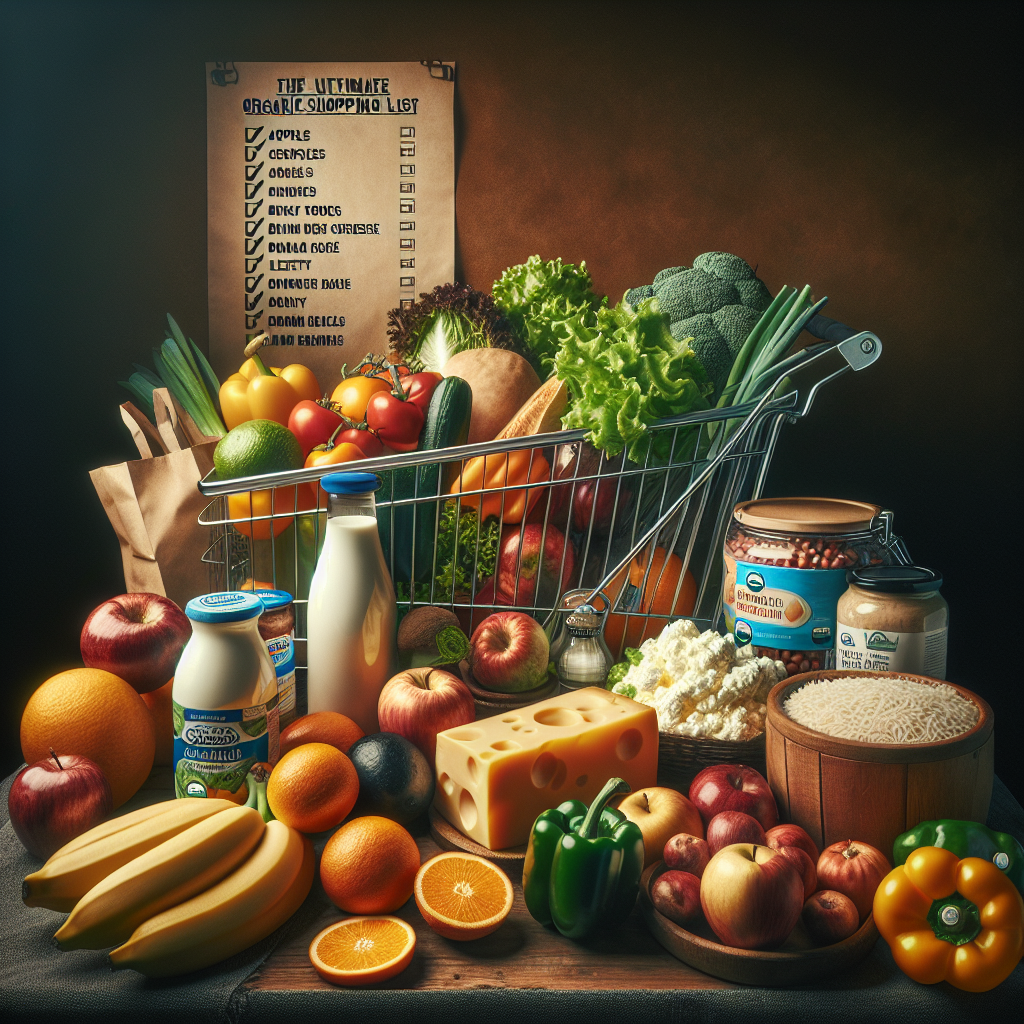
The risks associated with low B12 intake are significant, especially for vegetarians who may not realize the importance of this vitamin. Low B12 can lead to anemia, neurological issues, and cognitive decline. Understanding the specific dietary sources of B12, such as fortified cereals, plant-based milk, and nutritional yeast, can help mitigate these risks. Additionally, consulting with a healthcare provider about B12 supplementation can be a proactive step in maintaining optimal health.
Many people mistakenly believe that a vegetarian diet is inherently healthy without considering nutritional adequacy. It’s essential to recognize that while plant-based foods are rich in many nutrients, vitamin B12 is not one of them. Vegetarians must be proactive in their dietary choices to ensure they meet their B12 needs, particularly if they are pregnant, nursing, or have existing health conditions that may affect nutrient absorption.
Understanding Vitamin B12 and Its Importance
Vitamin B12 is a water-soluble vitamin that plays a crucial role in nerve function, red blood cell formation, and DNA synthesis. It is primarily found in animal products, making it a vital nutrient for those who consume meat, dairy, and eggs. For vegetarians, the lack of these food sources increases the risk of deficiency, which can lead to serious health issues.
The importance of B12 cannot be overstated, particularly in the context of brain health and energy levels. Deficiency can result in fatigue, weakness, and neurological complications. Understanding the biochemical role of B12 helps underscore why it is critical for vegetarians to actively seek out alternative sources or supplements.
Moreover, many vegetarians might not recognize the symptoms of B12 deficiency until they become severe. Regular education on the signs of deficiency and the importance of maintaining adequate levels is essential for anyone following a vegetarian lifestyle.
Risks of Low B12 Levels in Vegetarians
Low B12 levels can lead to various health complications, particularly for vegetarians who may not be aware of their dietary limitations. The most common issues include megaloblastic anemia, which is characterized by large, immature red blood cells, and neurological problems such as numbness and tingling.
Additionally, prolonged B12 deficiency can result in irreversible damage to the nervous system. Vegetarians must be vigilant in their dietary practices to avoid these risks, especially if they have other health conditions that could exacerbate absorption issues, such as gastrointestinal disorders.
One common mistake among vegetarians is neglecting to monitor their B12 status. Regular check-ups and blood tests can help prevent severe health consequences by allowing for early intervention. Awareness of personal risk factors, such as age and health conditions, can further guide dietary choices.
Dietary Sources of Vitamin B12
For vegetarians, incorporating dietary sources of vitamin B12 is critical. Fortified foods are among the best options, including breakfast cereals, plant-based milks, and nutritional yeast. These foods can provide adequate B12 when consumed regularly.
Additionally, some dairy products and eggs can be included in lacto-ovo vegetarian diets as sources of B12. However, relying solely on these sources may not suffice for everyone, particularly those with specific dietary restrictions or preferences.
It’s worth noting that the absorption of B12 varies among individuals, with factors such as age and digestive health impacting how well one utilizes dietary sources. Therefore, vegetarians should prioritize foods fortified with B12 and consider their individual dietary needs.
Supplements and Fortified Foods
Supplements can play a crucial role in preventing B12 deficiency for vegetarians. B12 supplements are available in various forms, including tablets, sublingual options, and injections for those with severe deficiencies or absorption issues.
Fortified foods offer an alternative to supplementation, providing essential nutrients without the need for pills. It is advisable for vegetarians to choose fortified products that contain at least 2.4 micrograms of B12 per serving, the recommended daily allowance for adults.
While supplements can be beneficial, it’s essential to consult a healthcare provider before starting any regimen. They can help determine the appropriate dosage and form based on individual health needs and lifestyle factors.
Monitoring B12 Levels
Regular monitoring of vitamin B12 levels is crucial for vegetarians to prevent deficiencies. Blood tests can help assess B12 status and guide dietary adjustments or supplementation as needed.
Being proactive about B12 monitoring is particularly important for pregnant or nursing women, as they have increased nutritional needs. Educating oneself about the symptoms of deficiency can also aid in early detection and intervention.
Ultimately, understanding personal health circumstances and dietary habits can help maintain optimal B12 levels. Seeking professional guidance can provide tailored advice to ensure adequate intake and overall health.
Further Reading
Authoritative Sources
- Vitamin B12 Fact Sheet for Health Professionals
ods.od.nih.govThis source provides comprehensive information on vitamin B12, including its functions, dietary sources, and recommended intake levels
- Vitamin B12 Deficiency: A Review of Clinical and Laboratory Diagnosis
ncbi.nlm.nih.govThis review offers insights into the clinical implications of vitamin B12 deficiency, symptoms, and diagnostic considerations
- Vegetarian Diet and Nutrition
eatright.orgA valuable resource for understanding vegetarian nutrition, including key nutrients and dietary strategies to maintain health
Frequently Asked Questions
What are the symptoms of vitamin B12 deficiency?
Symptoms can include fatigue, weakness, anemia, numbness, tingling, and cognitive difficulties.
How can vegetarians ensure they get enough B12?
By consuming fortified foods, taking supplements, and regularly monitoring B12 levels through blood tests.
Is it safe to take B12 supplements?
Yes, B12 supplements are generally safe and well-tolerated, but it’s advisable to consult a healthcare provider for personalized recommendations.
Can B12 deficiency affect mental health?
Yes, low B12 levels can lead to cognitive decline, mood disturbances, and may exacerbate mental health conditions.
How often should vegetarians check their B12 levels?
It is recommended to check B12 levels at least once a year, or more frequently if experiencing symptoms or health changes.
Conclusion
Maintaining adequate vitamin B12 levels is essential for vegetarians to prevent serious health risks associated with deficiency. Prioritizing fortified foods, considering supplementation, and regularly monitoring B12 status can help ensure optimal health. By being proactive and informed, vegetarians can successfully navigate their dietary choices while safeguarding their well-being.