Achieving balanced micronutrient intake through vegetarian meals requires a strategic approach to food selection and preparation. Key ingredients include legumes, whole grains, nuts, seeds, fruits, and vegetables, all of which play a crucial role in providing essential vitamins and minerals.
Practical planning is vital for ensuring that meals not only taste good but also fulfill dietary requirements. Common mistakes include relying too heavily on processed vegetarian foods or neglecting the variety of food groups. To avoid deficiencies, it’s important to include a mix of protein sources, healthy fats, and a colorful array of fruits and vegetables. For instance, pairing grains with legumes can enhance protein quality, making meals more nutritious.
Another key consideration is meal preparation. Many people overlook the importance of cooking methods that preserve nutrients. Steaming vegetables, for instance, can maintain their vitamin content better than boiling. Additionally, incorporating herbs and spices can enhance both flavor and health benefits. It’s also crucial to stay informed about which micronutrients may be lacking in a vegetarian diet, such as vitamin B12 and omega-3 fatty acids, and to seek out fortified foods or supplements if necessary.
==> Click Here for the best Certified Organic Product available - at a huge discount!
Essential Micronutrients in Vegetarian Diets
A balanced vegetarian diet must include various micronutrients to support overall health. Key nutrients include iron, calcium, zinc, vitamin B12, and vitamin D. Iron is crucial for oxygen transport in the blood and can be sourced from legumes, seeds, and dark leafy greens. Calcium supports bone health and can be found in fortified plant milks, tofu, and leafy greens. Vitamin B12 is typically obtained from animal products, so vegetarians should consider fortified foods or supplements to meet their needs.
It’s essential to understand that the bioavailability of some nutrients can be lower in plant-based foods due to the presence of phytates and oxalates, which can inhibit absorption. For instance, pairing iron-rich foods with vitamin C sources, like citrus fruits, can enhance iron absorption significantly. Similarly, ensuring adequate vitamin D levels, particularly in non-sunny climates, is important for calcium absorption and overall health.
Prioritize a diverse intake of these micronutrients by including a variety of whole foods in your diet. Regularly consuming fortified foods and being mindful of nutrient pairings can help mitigate potential deficiencies.
Top Vegetarian Ingredients for Nutrient Density
Incorporating nutrient-dense ingredients into your vegetarian meals is key to achieving balanced micronutrient intake. Foods such as quinoa, lentils, chickpeas, nuts, seeds, and leafy greens should be staples in a vegetarian kitchen. Quinoa is a complete protein and provides essential amino acids, while lentils are high in protein and fiber and low in fat. Nuts and seeds not only offer healthy fats but also vitamins and minerals such as vitamin E and magnesium.
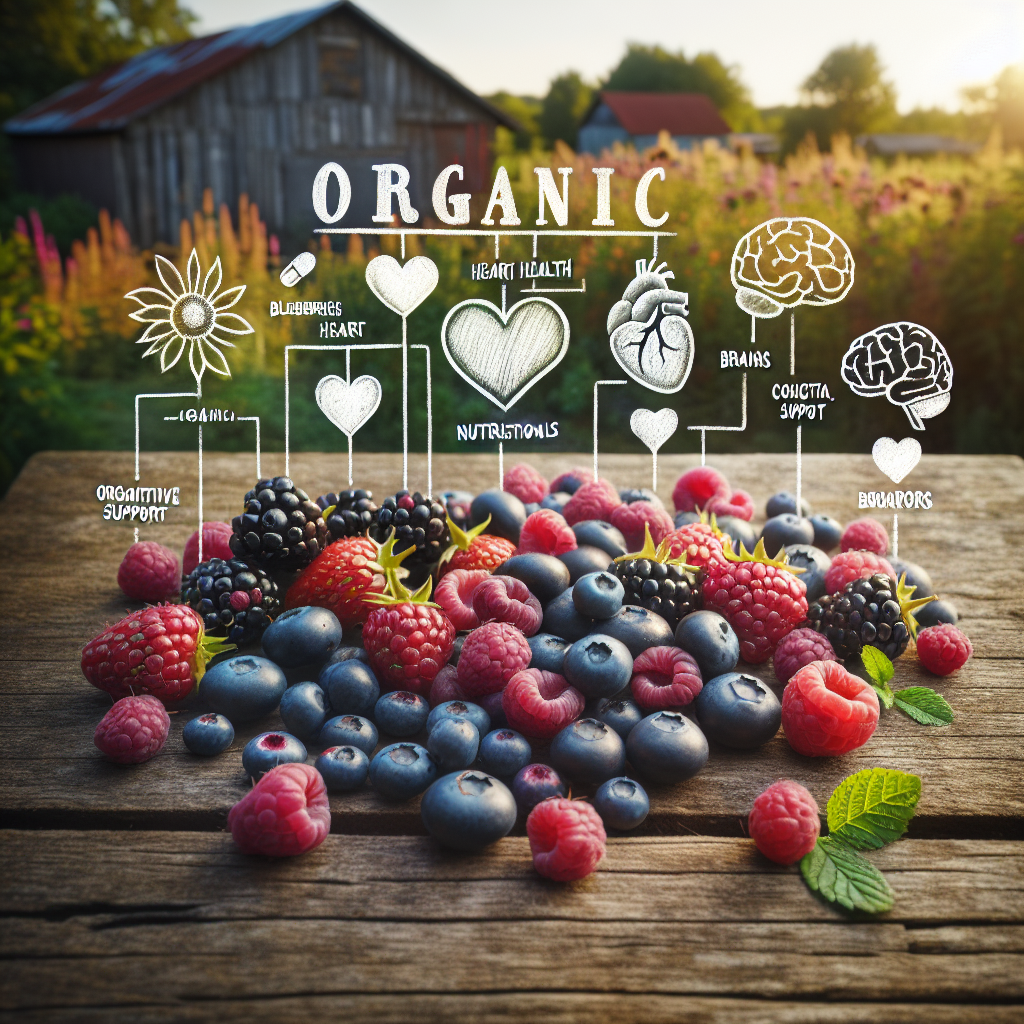
In addition to these staples, consider adding colorful fruits and vegetables to your diet. Foods like sweet potatoes, bell peppers, and berries are packed with antioxidants and vital nutrients. A wide variety of colors on your plate often indicates a broader spectrum of nutrients, which is beneficial for health.
To maximize nutrient intake, aim to consume whole foods in their least processed form. For instance, choose whole grain bread over white bread and opt for fresh fruits instead of fruit juices. This approach not only enhances micronutrient intake but also supports digestive health.
Balanced Meal Ideas: Recipes and Combinations
Creating balanced vegetarian meals involves skillfully combining various food groups to ensure adequate nutrient intake. For a quick lunch, consider a quinoa salad loaded with chickpeas, diced cucumbers, cherry tomatoes, and a lemon-tahini dressing. This dish provides protein, fiber, and a variety of vitamins.
For dinner, a hearty lentil soup made with carrots, celery, and spinach can be both satisfying and nutrient-rich. Serve it with whole grain bread for added fiber and nutrients. Another option is a vegetable stir-fry featuring tofu, bell peppers, broccoli, and brown rice, combining protein with a colorful array of vegetables.
Don’t forget about snacks! Opt for hummus with carrot sticks or apple slices with almond butter. These snacks are not only nutritious but also keep energy levels stable throughout the day.
Common Mistakes to Avoid
Many vegetarians inadvertently make dietary choices that can lead to nutrient deficiencies. One common mistake is failing to include enough protein sources in meals. While plant-based diets can provide ample protein, it’s essential to ensure variety and completeness by combining different protein sources.
Another pitfall is relying too heavily on processed vegetarian products, which may be high in sodium and low in nutrients. Instead, focus on whole foods that offer a broader range of vitamins and minerals. Additionally, neglecting to plan meals can result in unbalanced diets that lack essential nutrients.
To avoid these mistakes, regularly review your meal plans and ensure a wide variety of foods are included. This will help you maintain a balanced intake of micronutrients and promote overall health.

==> Need an Energy Boost? Click Here for the best Organic Product available - at a huge discount!
Further Reading
Authoritative Sources
- Dietary Reference Intakes for Calcium and Vitamin D
ncbi.nlm.nih.govThis resource provides comprehensive guidelines on the recommended intake of calcium and vitamin D, vital for vegetarians
- Vegetarian Diets: What You Need to Know
eatright.orgA detailed overview of vegetarian diets, including health benefits and potential nutrient concerns
- Vitamin B12 Fact Sheet for Consumers
ods.od.nih.govInformation on vitamin B12 sources, recommendations, and importance for vegetarians
- Vegetarian Times
vegetariantimes.comA resource for recipes, nutrition tips, and information on vegetarian living
Frequently Asked Questions
What are the best protein sources for vegetarians?
Top protein sources include lentils, chickpeas, quinoa, tofu, edamame, and various nuts and seeds.
How can I ensure I’m getting enough iron as a vegetarian?
Incorporate iron-rich foods like legumes, spinach, and fortified cereals, and pair them with vitamin C sources to enhance absorption.
Can a vegetarian diet provide all necessary nutrients?
Yes, a well-planned vegetarian diet can provide all essential nutrients, but attention must be paid to vitamin B12, iron, and omega-3 fatty acids.
What are some easy vegetarian meal prep ideas?
Consider preparing quinoa bowls, stir-fries with tofu and vegetables, and overnight oats for quick and nutritious meals.
How can I enhance the flavor of vegetarian meals?
Use herbs, spices, and marinades to add depth of flavor. Experiment with garlic, ginger, turmeric, and fresh herbs to elevate dishes.
Conclusion
To achieve a balanced micronutrient intake with vegetarian meals, it is essential to focus on variety and nutrient density. Incorporate a mix of legumes, whole grains, nuts, seeds, fruits, and vegetables into your diet. Be mindful of potential deficiencies, particularly in vitamin B12 and iron, and consider fortified foods or supplements as necessary. Planning meals thoughtfully can lead to delicious and fulfilling vegetarian options that not only meet nutritional needs but also enhance overall health. Start experimenting with different recipes and ingredients today to create a well-rounded vegetarian diet that supports your lifestyle.
Related Content
- 7 Reasons Why Organic Foods Might Not Be Working for You
- The Ultimate Guide to 10 Powerfully Nutrient Rich Organic Produce to Boost Health in 2025
- The Ultimate 7 Strategies for Organic Whole Food Nutrition in 2025
- Unlock the Power of Organic Certified Health Nutrients (2025)
- Discover the Essence of Organic Eating