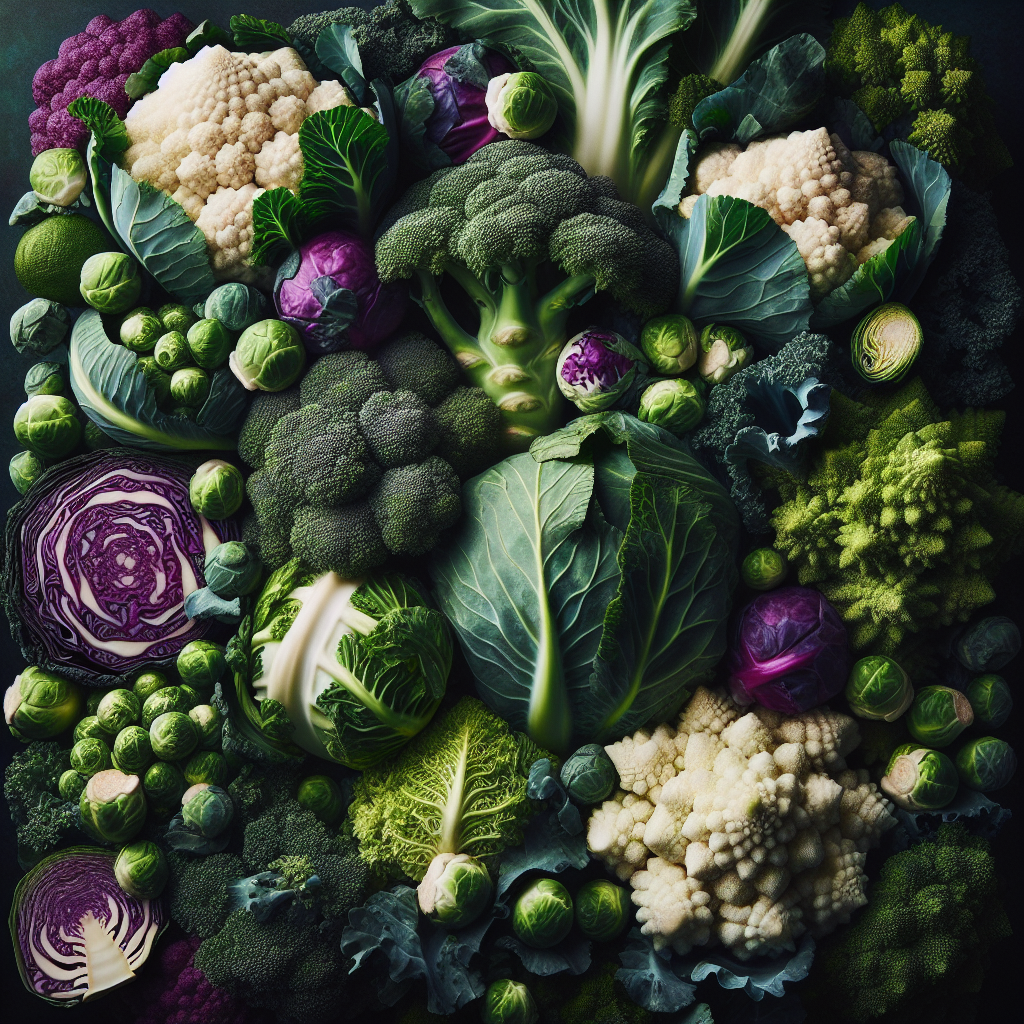
Understanding how food choices impact energy levels is essential. High-glycemic foods can lead to rapid spikes and subsequent drops in blood sugar, contributing to feelings of fatigue. Instead, prioritizing low-glycemic options, which release energy slowly, can provide sustained energy. Additionally, pairing carbohydrates with protein and healthy fats can further stabilize blood sugar levels and enhance energy.
Another common mistake is neglecting meal timing. Eating large meals at irregular intervals can lead to digestive overload and energy crashes. Instead, consider smaller, more frequent meals that include a balance of macronutrients. This approach not only helps in managing hunger but also supports sustained energy throughout the day.
Understanding Macronutrient Balance
Achieving the right macronutrient balance is foundational for preventing post-meal fatigue. A well-rounded meal should ideally consist of complex carbohydrates, healthy fats, and protein. This combination helps to regulate blood sugar levels and provides a steady source of energy.
For instance, a meal that includes quinoa (a complex carbohydrate), avocado (a healthy fat), and black beans (a source of protein) not only satisfies hunger but also promotes sustained energy release. Focusing on whole foods rather than processed options also plays a significant role in reducing fatigue.
Moreover, understanding individual macronutrient needs can significantly impact energy levels. For example, athletes or individuals with higher activity levels may require more carbohydrates to fuel their energy needs, while those with sedentary lifestyles might benefit from a higher proportion of fats and proteins.
Choosing the Right Foods
Selecting the right foods is critical in managing energy levels post-meal. Foods rich in fiber, such as whole grains, legumes, fruits, and vegetables, help maintain stable blood sugar levels, which is essential for avoiding fatigue.
Moreover, incorporating sources of healthy fats like nuts, seeds, and avocados can enhance satiety and energy. Protein sources such as lentils, chickpeas, and tofu should also be included to support muscle repair and recovery, which can indirectly affect energy levels.
When planning meals, pay attention to the glycemic index of foods. Opt for low to moderate glycemic index foods, such as sweet potatoes, brown rice, and oats, which release energy slowly compared to high-glycemic foods like white bread or sugary snacks.
Meal Timing and Frequency
Meal timing and frequency are often overlooked aspects that can significantly impact energy levels. Eating smaller, more frequent meals can help prevent the energy dips that often occur after larger meals.
For example, instead of three large meals, consider having five smaller meals throughout the day. This approach not only helps manage hunger but also ensures a more consistent energy supply. Including snacks that combine protein, fat, and fiber can also be beneficial.
Additionally, timing meals around physical activity is important. Consuming a balanced meal or snack before and after exercise can help maintain energy levels and promote recovery, making it easier to avoid post-meal fatigue.
Common Mistakes to Avoid
There are several common mistakes that vegetarians often make which can contribute to post-meal fatigue. One of the most significant is relying too heavily on processed vegetarian foods, which can be high in sugars and low in nutrients.
Additionally, neglecting hydration can also lead to feelings of fatigue. Dehydration can mimic the symptoms of fatigue, making it vital to drink adequate water throughout the day. Another pitfall is skipping meals or going too long without eating, which can lead to energy crashes.
Lastly, many individuals may overlook the importance of variety in their diet. Consistently eating the same foods can lead to nutrient deficiencies, which can impact overall energy levels. Aim to include a diverse range of fruits, vegetables, grains, and proteins in your meals.
Further Reading
Authoritative Sources
- Dietary Patterns and Postprandial Fatigue
ncbi.nlm.nih.govThis study explores the relationship between dietary patterns and post-meal fatigue, providing insights into effective meal planning
- Benefits of a Vegetarian Diet
healthline.comA comprehensive overview of the benefits of a vegetarian diet, including energy management and health outcomes
- Preventing Fatigue Through Diet
eatright.orgThis resource discusses dietary strategies for preventing fatigue, highlighting key foods and meal timing
Frequently Asked Questions
What are the best foods to prevent post-meal fatigue?
Foods rich in fiber, healthy fats, and protein, such as whole grains, legumes, nuts, and vegetables, are effective in preventing post-meal fatigue.
How does meal timing impact energy levels?
Eating smaller, more frequent meals can help maintain steady energy levels and prevent the crashes associated with larger meals.
Can hydration affect post-meal fatigue?
Yes, dehydration can lead to fatigue, so it is important to stay hydrated throughout the day to maintain energy levels.
What are common mistakes vegetarians make that lead to fatigue?
Common mistakes include relying too heavily on processed foods, neglecting hydration, and not varying the diet enough to ensure nutrient adequacy.
How can I improve my vegetarian meals for better energy?
Incorporate a balance of complex carbohydrates, healthy fats, and proteins into your meals, and focus on whole, unprocessed foods.