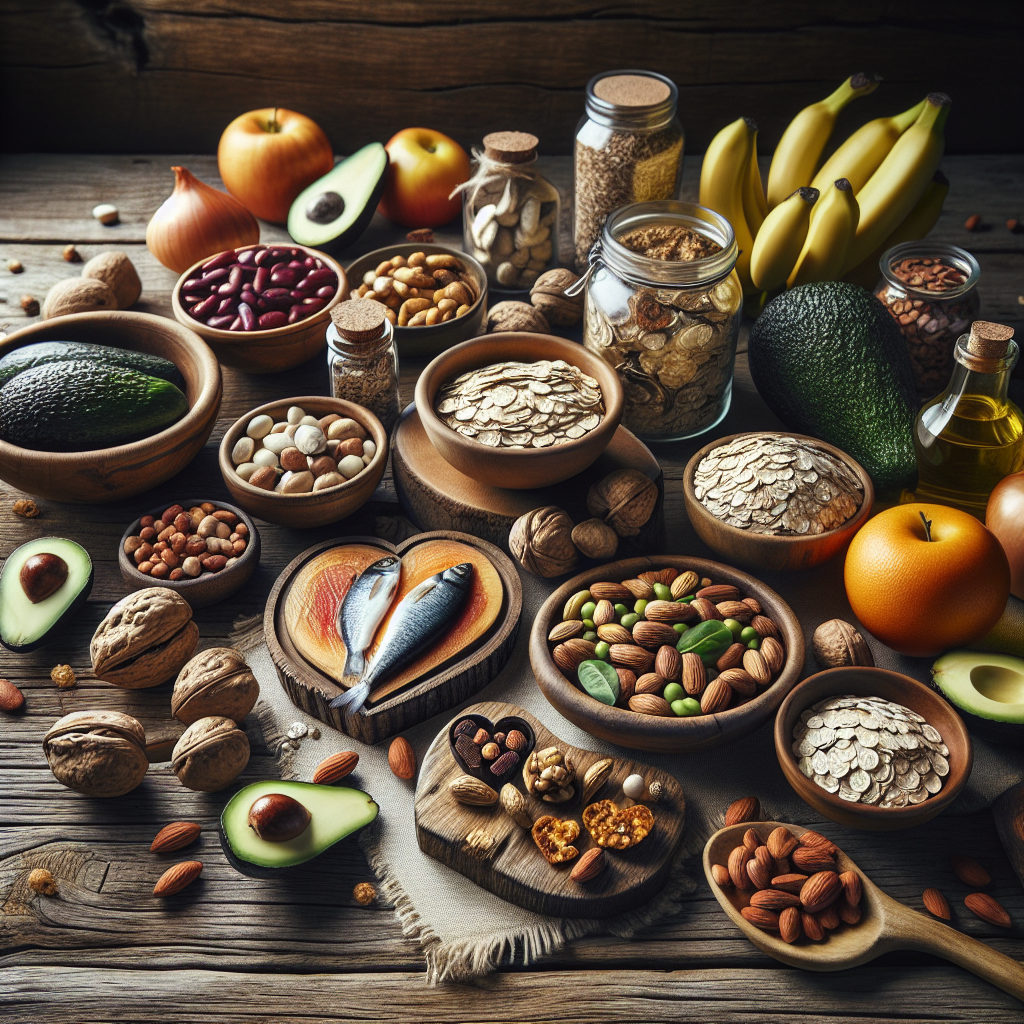
Vegetarian nutrition for building lean muscle mass emphasizes the importance of incorporating a variety of plant-based proteins and essential nutrients to support muscle growth effectively. Key foods include legumes, quinoa, tofu, and nuts, which are rich in the necessary amino acids and energy required for muscle repair and development.
To maximize muscle growth, it is crucial to not only focus on protein intake but also to balance macronutrients effectively. Carbohydrates provide the energy needed for workouts, while healthy fats support overall health and hormone production. Timing meals around workouts—consuming protein-rich foods and carbohydrates before and after exercise—can significantly enhance muscle recovery and growth. Mistakes often include underestimating protein needs or neglecting nutrient timing, which can hinder progress.
Another common pitfall is relying solely on processed vegetarian protein sources, which may lack essential nutrients. Instead, prioritize whole foods that provide a variety of vitamins and minerals, as these play a significant role in muscle function and recovery. By understanding the importance of a well-rounded vegetarian diet, individuals can build lean muscle effectively while enjoying the benefits of plant-based nutrition.

==> Click Here for the best Certified Organic Product available - at a huge discount!
Understanding Protein Sources for Vegetarians
For vegetarians, understanding protein sources is critical in building lean muscle mass. High-quality plant proteins include lentils, chickpeas, beans, and soy products like tofu and tempeh. These sources provide essential amino acids that are crucial for muscle repair and growth. Unlike animal proteins, which are complete proteins, many plant proteins are incomplete, meaning they lack one or more essential amino acids.
To ensure adequate protein intake, vegetarians should aim to consume a variety of these protein sources throughout the day. Combining different types of proteins, such as legumes with grains (e.g., rice and beans), can create a complete amino acid profile. Smart readers should prioritize diverse food choices to meet their protein requirements effectively and avoid potential deficiencies.
Moreover, it’s essential to consider protein quality. Some plant proteins, like quinoa and soy, are complete proteins and can be particularly beneficial for muscle building. Incorporating a mix of both complete and incomplete proteins can help vegetarians maximize their muscle growth potential while enjoying a varied diet.
Carbohydrates and Fats: The Role in Muscle Building
While protein is vital, carbohydrates and healthy fats also play a crucial role in building lean muscle mass. Carbohydrates provide the necessary energy for workouts, allowing individuals to perform at their best. Foods like whole grains, fruits, and vegetables are excellent sources of complex carbohydrates that fuel endurance and recovery.
Healthy fats, found in foods like avocados, nuts, and seeds, support hormone production and overall health, which are essential for muscle growth. Balancing these macronutrients ensures that the body has adequate energy and the right conditions for muscle development. Readers often overlook the importance of fats, mistakenly believing that a low-fat diet is best for muscle gain.
Prioritizing healthy fats in moderation can enhance nutrient absorption and support a balanced diet. It’s crucial to find the right balance between protein, carbohydrates, and fats to optimize muscle growth while maintaining overall health.
Meal Timing and Frequency for Optimal Gains
Meal timing and frequency can significantly impact muscle building for vegetarians. Consuming protein-rich meals and snacks both before and after workouts helps stimulate muscle protein synthesis. Aiming for a post-workout meal that includes protein and carbohydrates can enhance recovery and promote muscle growth.
Additionally, spreading protein intake throughout the day, rather than consuming it in one or two large meals, can help maintain a positive nitrogen balance in the body. This balance is crucial for muscle repair and growth. Many individuals make the mistake of neglecting snacks, which can be an excellent opportunity to boost protein intake and overall nutrient consumption.
Smart meal planning can make a significant difference in achieving muscle-building goals. Preparing meals ahead of time and ensuring easy access to nutritious snacks can help maintain consistency and support muscle growth over time.
Common Mistakes in Vegetarian Muscle Building
There are several common mistakes that vegetarians often make when attempting to build lean muscle mass. One of the most significant errors is not consuming enough protein, which can hinder muscle growth and recovery. Many vegetarians underestimate their protein needs and may not include enough diverse protein sources in their diets.
Another mistake is relying too heavily on processed vegetarian protein products, which may lack essential nutrients and may not provide the same benefits as whole food sources. Additionally, neglecting proper meal timing and frequency can lead to suboptimal muscle gains. Individuals should focus on timing their meals around workouts and maintaining consistent protein intake throughout the day.
To avoid these pitfalls, it is essential to stay informed about nutritional needs and prioritize whole foods that support muscle growth. Keeping a food diary or consulting with a nutritionist can provide valuable insights and help vegetarians stay on track with their muscle-building goals.
==> Need an Energy Boost? Click Here for the best Organic Product available - at a huge discount!
Further Reading
Authoritative Sources
- The Role of Protein in Muscle Building
ncbi.nlm.nih.govThis resource provides a thorough overview of the importance of protein in muscle growth and recovery
- Vegetarian Nutrition 101
eatright.orgA comprehensive guide to vegetarian nutrition, including tips for building muscle on a plant-based diet
- Plant-Based Diets for Health and Longevity
ncbi.nlm.nih.govThis article discusses the health benefits of plant-based diets and their implications for muscle health
Frequently Asked Questions
What are the best protein sources for vegetarians?
Best protein sources include lentils, chickpeas, tofu, tempeh, and quinoa, which provide essential amino acids for muscle growth.
How can I ensure I’m getting enough protein on a vegetarian diet?
Incorporate a variety of protein-rich foods throughout the day, including legumes, nuts, seeds, and whole grains.
Is it possible to build muscle on a vegetarian diet?
Yes, with careful planning and a focus on high-quality plant proteins, it is entirely possible to build lean muscle mass as a vegetarian.
How important is meal timing for muscle growth?
Meal timing is crucial, especially consuming protein and carbohydrates around workouts to support muscle recovery and growth.
What common mistakes should vegetarians avoid when building muscle?
Avoid underestimating protein needs, relying on processed protein sources, and neglecting meal timing and frequency.