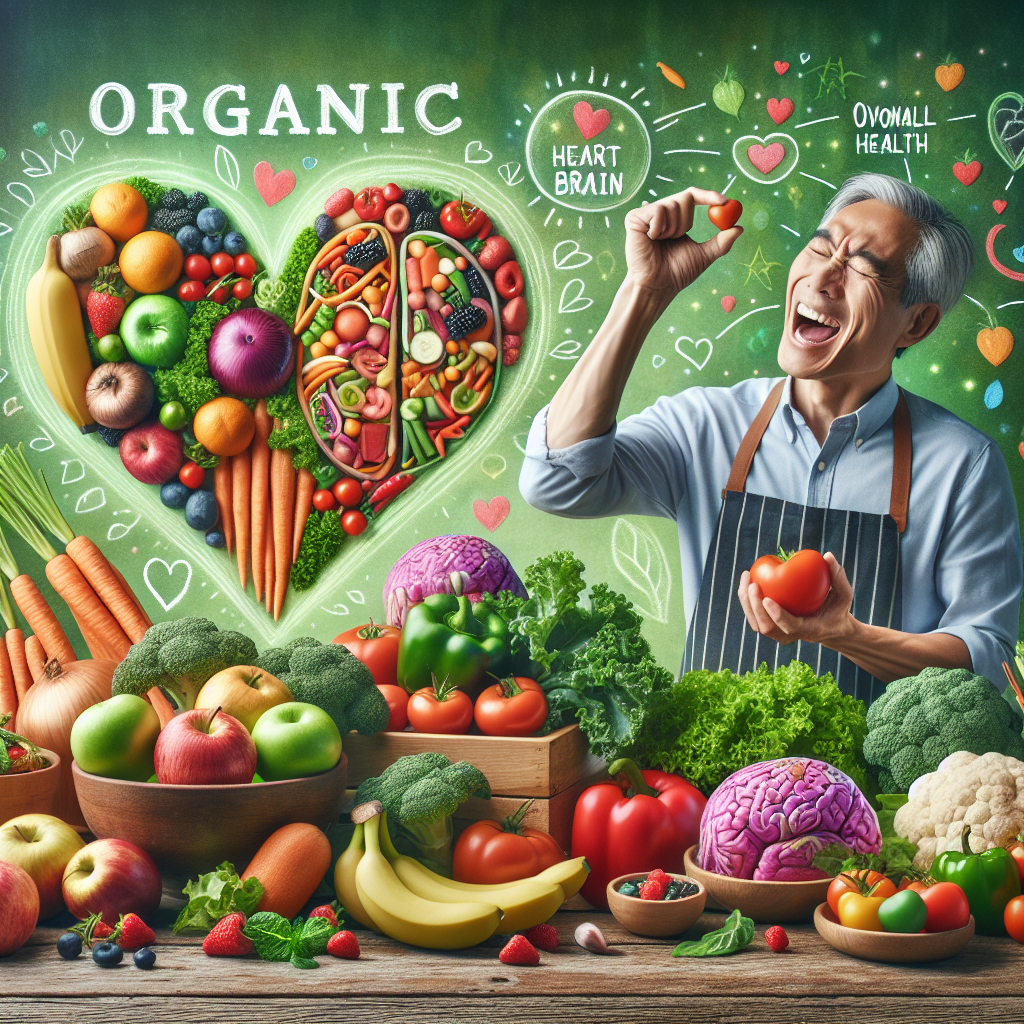
Key components of a vegetarian diet that contribute to blood pressure management include high-fiber foods, which help improve vascular health, and potassium-rich options such as bananas, sweet potatoes, and spinach, which can help counteract the effects of sodium. Additionally, incorporating healthy fats from sources like avocados and nuts can support overall heart health.
It’s important to avoid common pitfalls, such as relying heavily on processed vegetarian foods that can be high in sodium and unhealthy fats. Instead, focus on whole, minimally processed foods to maximize the benefits of vegetarian nutrition for blood pressure control.
Understanding the Role of Sodium and Potassium
Sodium and potassium play crucial roles in regulating blood pressure. High sodium intake is linked to hypertension, while potassium helps balance sodium levels in the body. A vegetarian diet typically contains lower sodium levels if focused on whole foods, thus making it easier to maintain healthy blood pressure.
To effectively manage blood pressure, it’s important to limit processed foods, which are often high in sodium. Instead, emphasize fresh fruits and vegetables that are naturally low in sodium and high in potassium, such as avocados and leafy greens. This balance can significantly lower the risk of hypertension.
Additionally, understanding food labels is essential. Many packaged vegetarian products can contain hidden sodium. Always check for sodium content and choose options that are labeled as ‘low sodium’ or ‘no added salt’ when possible.
Essential Nutrients for Blood Pressure Control
A well-rounded vegetarian diet should focus on several key nutrients that are beneficial for blood pressure management. These include fiber, magnesium, and omega-3 fatty acids. Fiber-rich foods help improve heart health by reducing cholesterol levels and supporting healthy digestion.
Magnesium is another essential nutrient that aids in relaxing blood vessels, which can lower blood pressure. Foods rich in magnesium include beans, nuts, seeds, and whole grains. Incorporating these foods into your meals can enhance your diet’s effectiveness in maintaining stable blood pressure.
Omega-3 fatty acids, found in flaxseeds and walnuts, also contribute to heart health by reducing inflammation and lowering blood pressure. Prioritizing these nutrients should be a key focus for anyone looking to manage their blood pressure through a vegetarian diet.
Practical Vegetarian Meal Ideas
Incorporating a variety of meals that focus on blood pressure-friendly ingredients is essential. Start with breakfast options like oatmeal topped with sliced bananas and a sprinkle of chia seeds. For lunch, consider a quinoa salad loaded with mixed greens, chickpeas, and a lemon-tahini dressing.
Dinner can feature stir-fried vegetables with tofu, served over brown rice, or a hearty lentil soup. Snacking on fresh fruits, raw vegetables, or a handful of nuts can help maintain energy levels while keeping sodium intake low.
Meal prepping can also help ensure you have quick access to healthy options, making it easier to stick to a blood pressure-friendly vegetarian diet.
Common Mistakes to Avoid
Many individuals transitioning to a vegetarian diet may inadvertently consume too much sodium through processed vegetarian foods or snacks. It’s crucial to prioritize whole, fresh foods and limit processed options to maintain blood pressure levels.
Another common mistake is not balancing meals properly. Ensure that your meals include a variety of nutrients, including protein, healthy fats, and carbohydrates, to avoid deficiencies that can impact overall health and blood pressure.
Lastly, neglecting hydration can also affect blood pressure. Drinking enough water helps maintain optimal bodily functions, including vascular health. Aim to drink adequate fluids throughout the day to support your dietary efforts.
Further Reading
Authoritative Sources
- American Heart Association
heart.orgThis source provides valuable insights into heart health and dietary recommendations for managing blood pressure
- Centers for Disease Control and Prevention
cdc.govThe CDC offers guidance on nutrition and its impact on blood pressure and cardiovascular health
- National Heart, Lung, and Blood Institute
nhlbi.nih.govThis resource provides comprehensive information on blood pressure management and dietary strategies
Frequently Asked Questions
What foods should I avoid for stable blood pressure?
Avoid high-sodium processed foods, sugary snacks, and excessive amounts of unhealthy fats.
How can I ensure I’m getting enough potassium?
Incorporate potassium-rich foods like bananas, sweet potatoes, spinach, and avocados into your daily meals.
Is a vegetarian diet effective for everyone?
While many find success with vegetarian diets, individual responses can vary. It’s essential to tailor dietary choices to personal health needs.
What is the best time to eat for blood pressure control?
Regular meal timing helps regulate blood sugar and blood pressure. Aim for consistent meal times throughout the day.
Can I still enjoy snacks on a vegetarian diet?
Yes, healthy snacks like fruits, nuts, and yogurt can be enjoyed while maintaining a vegetarian diet.
Conclusion
Maintaining stable blood pressure levels through vegetarian nutrition is achievable with the right approach. Focus on incorporating a variety of whole foods rich in potassium, magnesium, and fiber while minimizing sodium intake. By avoiding common pitfalls and prioritizing balanced meals, you can effectively manage your blood pressure and support overall cardiovascular health. Take actionable steps today by planning your meals around these guidelines, ensuring a nutritious and heart-healthy vegetarian diet.
