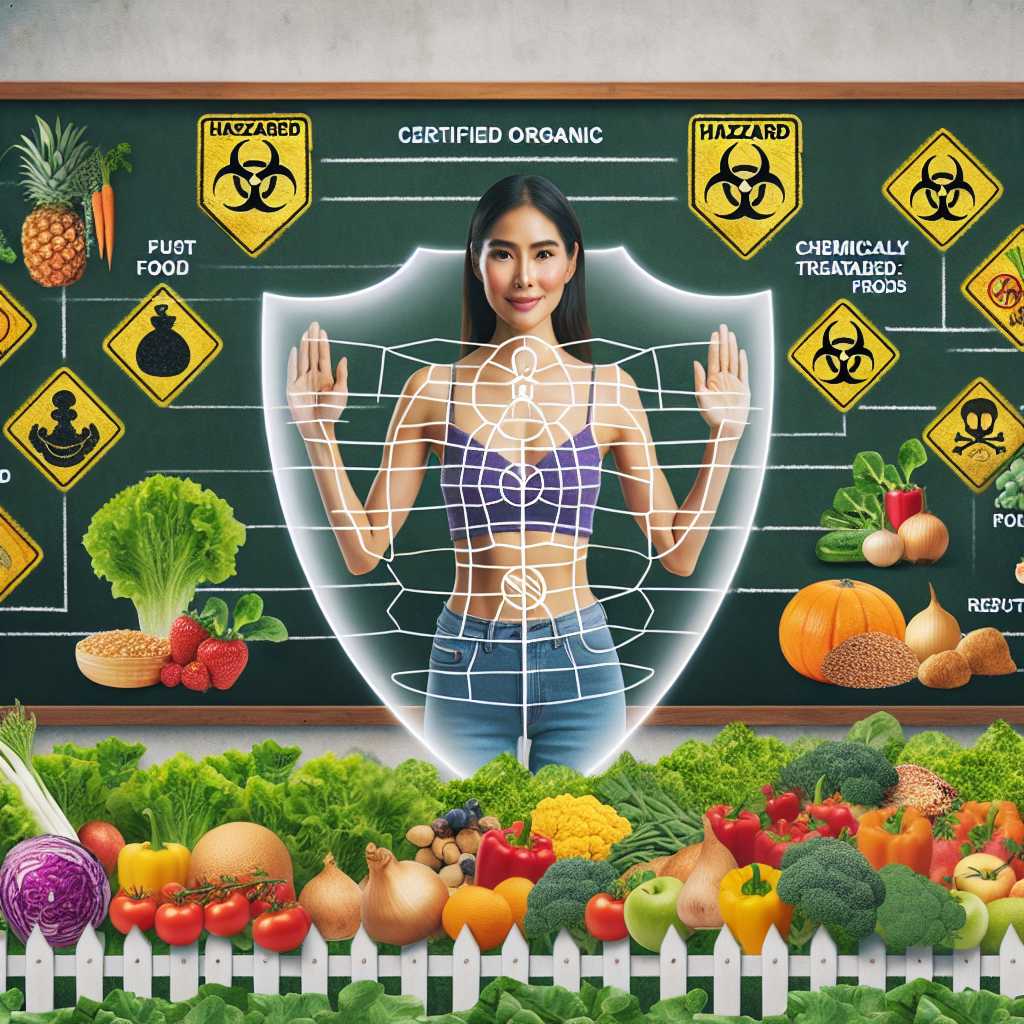
Non organic vegetables frequently carry residual chemicals, primarily pesticides and herbicides used during their cultivation. These chemicals are applied to protect crops from pests, diseases, and weeds, but they can remain on the surface of the vegetables even after harvest. Washing non organic produce can help remove some of these residues, but it may not eliminate all traces, raising health concerns for consumers who prioritize food safety.
Understanding the specific chemicals that might remain on non organic vegetables is crucial for making informed dietary choices. Common pesticides, such as glyphosate and chlorpyrifos, have been linked to various health issues, including potential endocrine disruption and cancer risks. Moreover, some herbicides can persist in the environment, potentially affecting soil health and biodiversity.
Consumers should be aware of the trade-offs involved in choosing non organic versus organic produce. While non organic vegetables may be more affordable and accessible, the potential health risks associated with chemical residues can be a significant concern. It is essential to weigh these factors when shopping for groceries and consider the long-term implications of consuming chemically treated foods.
Common Chemicals Found on Non Organic Vegetables
Non organic vegetables may contain a variety of chemicals, including commonly used pesticides like organophosphates and carbamates. These chemicals serve to protect crops from insects and diseases but often leave residues. Other substances include herbicides like atrazine, which is used to control weeds. The presence of these chemicals depends on the type of vegetable and the farming practices employed.
It is important to recognize that different vegetables have varying levels of chemical residues. For instance, leafy greens such as spinach and kale tend to retain more pesticide residues compared to root vegetables. Consumers should consult resources like the Environmental Working Group (EWG) to understand which vegetables are likely to have higher chemical residues and consider their choices accordingly.
Health Impacts of Chemical Residues
The health implications of consuming vegetables with chemical residues are a growing concern among consumers. Studies have suggested that long-term exposure to certain pesticides can lead to chronic health issues, including hormonal changes, neurological disorders, and increased cancer risk. Children, in particular, may be more susceptible to the adverse effects of these chemicals due to their developing bodies.
Understanding the potential health risks associated with these chemicals is vital. While occasional consumption of non organic vegetables may not pose a significant risk, regular intake can accumulate harmful effects over time. Consumers should prioritize awareness of the chemicals present in their food and make informed decisions based on their health priorities.
Washing and Preparation Techniques
Washing non organic vegetables is an effective way to reduce chemical residues, though it may not remove all traces. Rinsing under running water and using a brush for firm-skinned produce can help. Additionally, soaking vegetables in a vinegar solution may further aid in removing pesticides. However, some chemicals are systemic, meaning they penetrate the plant and cannot be washed away.
Preparation techniques also play a role in reducing exposure. Peeling or cooking vegetables can decrease the levels of certain pesticide residues. However, this may also remove some nutrients, so consumers should balance their approach to food preparation with health considerations in mind.
Choosing Organic: Benefits and Considerations
Opting for organic vegetables is one effective way to minimize exposure to harmful chemicals. Organic farming practices prohibit the use of synthetic pesticides and herbicides, leading to lower chemical residues on produce. Moreover, organic farming is often associated with better soil health and environmental sustainability.
However, organic vegetables can be more expensive and less accessible, presenting a challenge for many consumers. It is essential to consider personal budgets and prioritize organic purchases for the most contaminated produce. Resources like the EWG’s Dirty Dozen list can guide consumers in making informed choices about which vegetables to buy organic.
Frequently Asked Questions
What are the most common chemicals on non organic vegetables?
The most common chemicals found on non organic vegetables include pesticides like glyphosate and chlorpyrifos, as well as various herbicides.
How can I reduce chemical exposure from vegetables?
Washing vegetables thoroughly, peeling them, and opting for organic options can help reduce chemical exposure from non organic produce.
Are chemical residues harmful to health?
Yes, chemical residues on vegetables can pose health risks, particularly with long-term exposure, potentially leading to various health issues.
Is it worth buying organic vegetables?
Buying organic vegetables can be worth it for those concerned about chemical exposure, as they generally contain fewer pesticide residues.
What should I prioritize when choosing vegetables?
Prioritize purchasing organic versions of the most contaminated vegetables, as identified by resources like the EWG’s Dirty Dozen list.
Further Reading
Authoritative Sources
- Wait, Organic Farmers Use Pesticides?
rodaleinstitute.orgMany families choose organic to avoid exposure to toxic chemicals. Enter glyphosate. Glyphosate is the chief ingredient in the weed-killer ...
- EWG's Shopper's Guide to Pesticides in Produce | Summary
ewg.orgTwo other PFAS pesticides, fluopyram and bifenthrin, were among the 10 most frequently detected crop chemicals. Fluopyram was found in 8% of samples, and ...
- The Dirty Dozen
pan-uk.orgThe Dirty Dozen. Pesticides used in agriculture can often leave detectable traces of chemicals in, or on, our food known as 'residues'.
- Pesticide Ingredients Used in Organic Agriculture
npic.orst.eduNatural substances like arsenic, strychnine, and tobacco dust (nicotine sulfate) are prohibited. Learn about the differences between organic and ...
Conclusion
To wrap up, understanding what chemicals remain on non organic vegetables is essential for making informed dietary choices. Pesticides and herbicides can pose health risks, making it crucial for consumers to consider their options carefully. While washing and preparation methods can help reduce exposure, prioritizing organic produce may be the best approach for those concerned about chemical residues. By staying informed and making conscious choices, individuals can better protect their health and well-being through their diet.