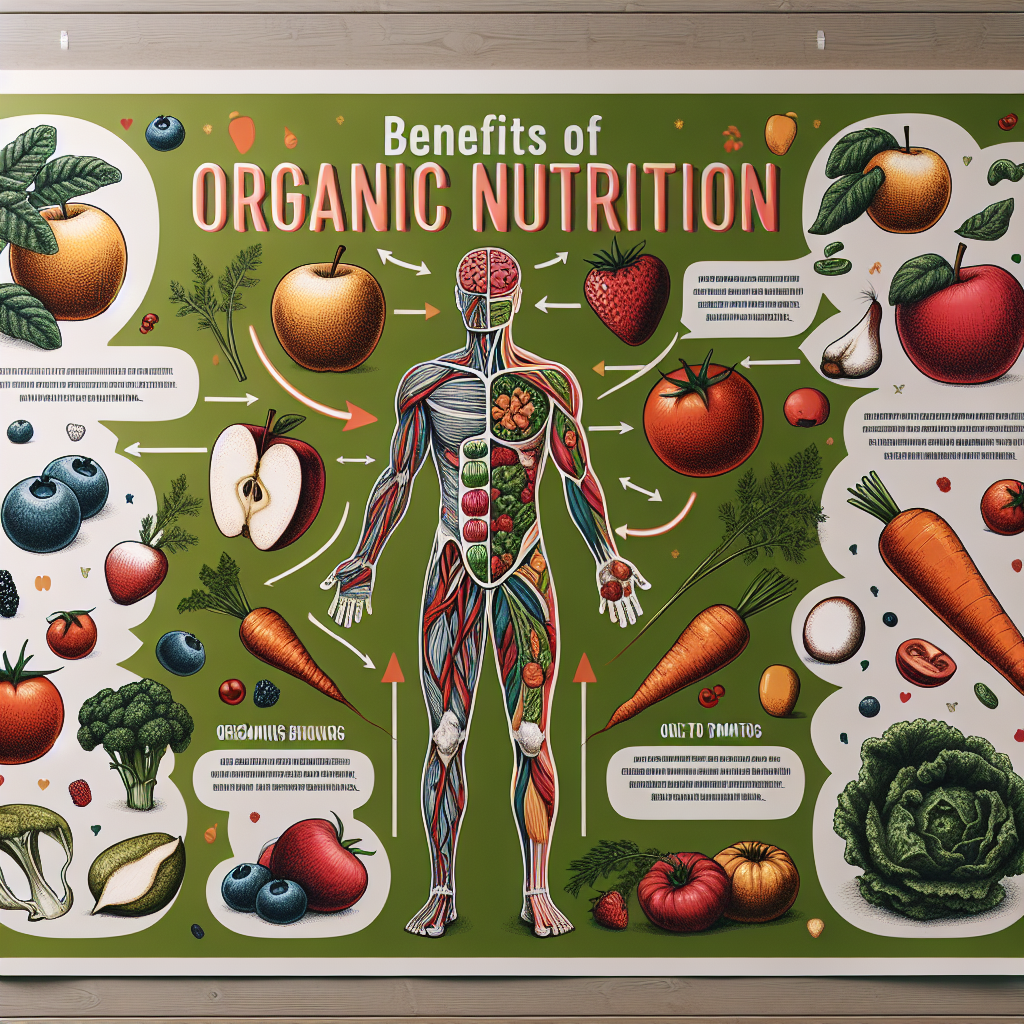
Organic dairy alternatives, such as almond, soy, and oat milk, often provide lower levels of saturated fat and higher levels of certain vitamins compared to traditional dairy. They are also typically free from synthetic hormones and antibiotics, making them a healthier option for many consumers concerned about nutrition and environmental sustainability.
When considering the health benefits of organic dairy alternatives, it’s crucial to evaluate their nutritional profiles. For instance, almond milk is lower in calories than whole milk and often fortified with calcium and vitamin D, while soy milk contains comparable protein levels to cow’s milk. However, some organic dairy alternatives may contain added sugars, so consumers should read labels carefully. Moreover, the environmental impact of dairy production is significant, as conventional dairy farming contributes to greenhouse gas emissions, while organic farming practices tend to have a lower ecological footprint.
Many consumers mistakenly assume that all dairy alternatives are nutritionally equivalent, but this is not the case. For example, some nut-based milks lack protein, which is a key consideration for those relying on these alternatives as a primary milk source. Prioritizing whole food sources in your diet, like nuts and seeds, can enhance the nutritional value of plant-based diets. Additionally, understanding the sourcing and production methods of these products can help consumers make informed decisions that align with their health goals and environmental values.

==> Click Here for the best Certified Organic Product available - at a huge discount!
Nutritional Comparison of Organic Dairy Alternatives
Organic dairy alternatives vary widely in their nutritional content. For example, almond milk typically has fewer calories and less protein than cow’s milk, while soy milk matches cow’s milk in protein content but may contain more calories. Consumers should be aware of these differences when choosing a dairy alternative, as some may be better suited to specific dietary needs. Fortified options can provide additional nutrients such as calcium and vitamin D, essential for bone health.
Moreover, many brands of organic dairy alternatives add vitamins and minerals to enhance their nutritional profiles. This can be particularly beneficial for individuals who may be missing these nutrients in their diet. However, it is essential to consider the overall balance of the diet, as relying solely on these alternatives without a variety of whole food sources may lead to nutrient deficiencies over time.
When evaluating organic dairy alternatives, prioritize those fortified with nutrients similar to those found in cow’s milk, especially if you are using them as a primary milk source. Additionally, consider the ingredient list; some products may contain added sugars or preservatives that could detract from their health benefits.
Health Benefits of Switching to Organic Alternatives
Switching to organic dairy alternatives can offer several health benefits, including lower saturated fat intake and reduced exposure to synthetic hormones and antibiotics often found in conventional dairy products. Many consumers report improved digestion and reduced inflammation after making the switch, particularly those who are lactose intolerant or have dairy allergies.
In addition to gastrointestinal benefits, some studies suggest that plant-based diets, including organic dairy alternatives, may lower the risk of chronic diseases such as heart disease and diabetes. The higher fiber content in many plant-based alternatives contributes to better digestive health and can aid in weight management.
It’s important to note that while organic dairy alternatives can be part of a healthy diet, they should not be viewed as a complete replacement for all nutrients found in dairy. A balanced approach, incorporating a variety of food sources, is essential to ensure adequate nutrient intake. Regularly consult with a healthcare provider or nutritionist to tailor dietary choices to individual health needs.
Environmental Impact of Dairy Production
The environmental impact of dairy production is increasingly under scrutiny, with conventional dairy farming contributing significantly to greenhouse gas emissions, land use, and water consumption. Organic dairy alternatives typically have a lower environmental footprint, as organic farming practices emphasize sustainability and reduce the use of harmful chemicals.
Choosing organic dairy alternatives can also support biodiversity and promote healthier ecosystems. For instance, organic farming often includes crop rotation and other practices that enhance soil health. By opting for these products, consumers can play a role in supporting sustainable agricultural practices.
However, it’s essential to consider that not all organic products are created equal. Some brands may still contribute to environmental degradation through unsustainable sourcing practices or excessive packaging. Researching brands and understanding their sourcing and production methods can help consumers make more informed choices that align with their environmental values.
Common Misconceptions About Dairy Alternatives
One common misconception is that all dairy alternatives are equally nutritious, but this is not true. Some products may be low in protein or high in added sugars, which can undermine their health benefits. Consumers should carefully read labels and choose products that meet their nutritional needs.
Another misconception is that organic dairy alternatives are always better for the environment. While organic practices generally reduce chemical use, the environmental impact can vary significantly between brands. Understanding the sourcing, production methods, and packaging of these products is crucial for making environmentally responsible choices.
Lastly, many assume that switching to dairy alternatives means compromising on taste or texture. However, with a wide variety of options available, from creamy oat milk to nutty almond milk, consumers can find alternatives that suit their preferences without sacrificing flavor.

==> Need an Energy Boost? Click Here for the best Organic Product available - at a huge discount!
Further Reading
Authoritative Sources
- USDA Organic Regulations
ams.usda.govThis resource details the regulations governing organic products, ensuring consumers understand what 'organic' truly means
- Health Benefits of Plant-Based Diets
ncbi.nlm.nih.govA comprehensive review of the health benefits associated with plant-based diets, including dairy alternatives
- What Is Organic Farming?
worldwildlife.orgAn overview of organic farming practices and their benefits for the environment and health
- The Health Benefits of Plant-Based Milk
foodandwine.comThis article explores the nutritional advantages of various plant-based milk alternatives
Frequently Asked Questions
Are organic dairy alternatives healthier than regular dairy?
Organic dairy alternatives often contain lower levels of saturated fat and are free from synthetic hormones and antibiotics, contributing to a healthier option for many consumers.
What nutritional benefits do organic dairy alternatives offer?
Many organic dairy alternatives are fortified with vitamins and minerals, such as calcium and vitamin D, and are typically lower in calories than traditional dairy.
Can switching to organic dairy alternatives improve digestion?
Yes, individuals who are lactose intolerant or have dairy allergies may experience improved digestion when switching to organic dairy alternatives.
What should I look for when choosing a dairy alternative?
Look for options that are fortified with essential nutrients, check for added sugars, and consider the overall nutritional profile to ensure it meets your dietary needs.
Are all organic dairy alternatives environmentally friendly?
While organic practices tend to have a lower environmental impact, not all organic products are created equal. Researching brands can help ensure sustainable choices.
Conclusion
Choosing organic dairy alternatives can be a beneficial decision for health-conscious individuals and those concerned about the environmental impact of conventional dairy farming. By understanding the nutritional differences, health benefits, and potential misconceptions, consumers can make informed choices that align with their dietary needs and values. Prioritize fortified options and seek out brands that emphasize sustainability and transparency in their production processes. Making these choices not only supports personal health but also contributes to a more sustainable food system.

Related Content
- The Benefits of Organic Smoothies for a Healthy Gut
- Organic Peas vs. Regular Peas: What You Need to Know for Nutrition
- The Ultimate Guide to 10 Effective organic vegetables for cooking in 2025
- Unveiling the Unexpected Advantages of Choosing Organic Produce to Minimize Toxin Exposure
- Transform Your Well-Being with the Surprising Benefits of How Organic Eating Supports Mental Health Naturally