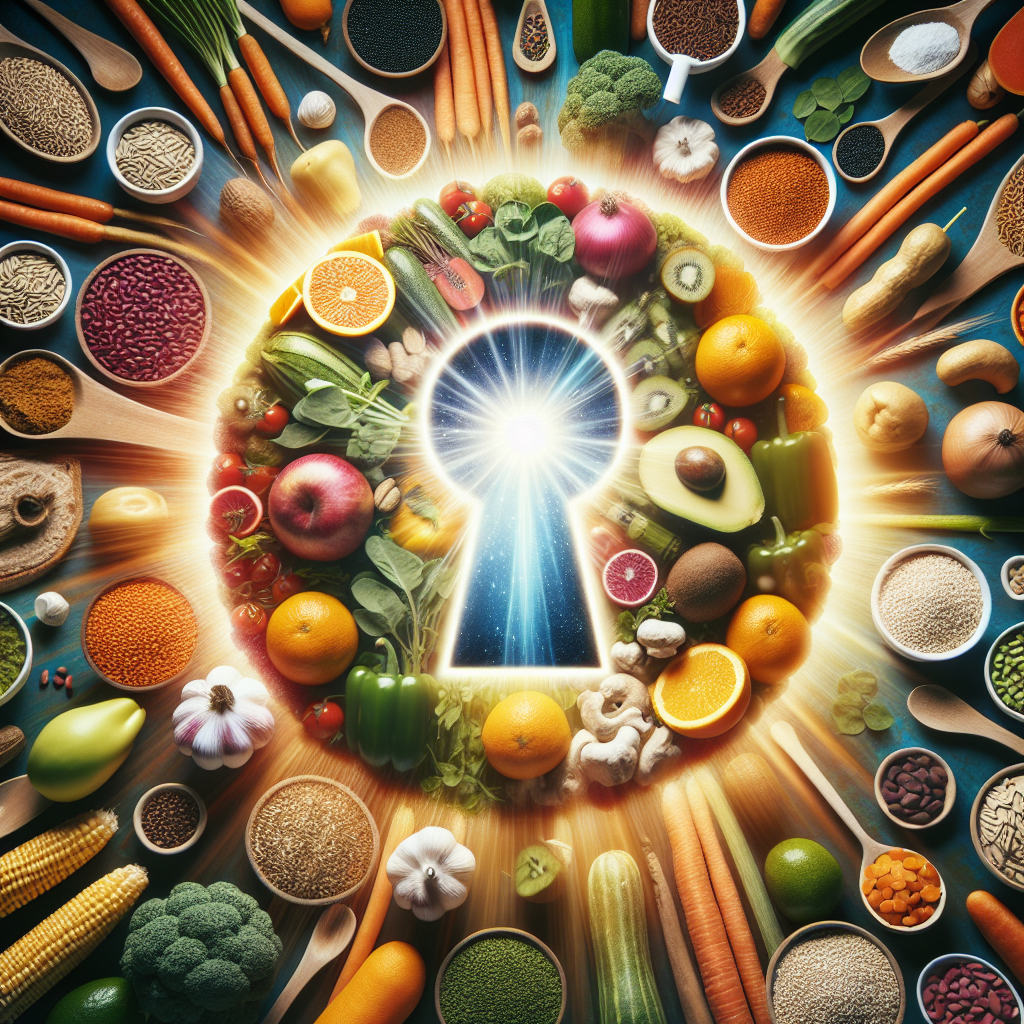
Choosing organic options can lead to better dietary habits, as these foods are typically fresher and more flavorful, encouraging higher consumption of fruits and vegetables. Additionally, organic diets are associated with lower sodium levels, which is crucial for maintaining optimal blood pressure. However, it’s important to be mindful of overall dietary patterns and lifestyle choices that can also impact blood pressure.
The Role of Potassium-Rich Foods
Potassium-rich foods play a significant role in managing blood pressure levels. Foods such as bananas, avocados, and sweet potatoes help balance sodium levels in the body, which is essential for maintaining healthy blood pressure. A diet high in potassium can help reduce the risk of hypertension and its associated health complications.
When selecting organic options, consider incorporating a variety of potassium sources to maximize benefits. Organic fruits and vegetables often contain higher levels of nutrients due to healthier soil conditions and farming practices. However, it’s crucial to balance potassium intake with overall dietary sodium, as excessive sodium can negate the benefits of potassium.
Antioxidant-Rich Berries and Their Benefits
Berries, including blueberries, strawberries, and raspberries, are packed with antioxidants that can help lower blood pressure. These fruits contain flavonoids, which have been shown to improve endothelial function and reduce arterial stiffness, both of which are vital for cardiovascular health.
Incorporating organic berries into your diet can enhance their health benefits, as they are less likely to contain harmful pesticides and chemicals. Enjoying berries as snacks, in smoothies, or as toppings on oatmeal can contribute to a heart-healthy diet. However, be cautious of portion sizes, as overconsumption can lead to excess sugar intake.
Whole Grains and Blood Pressure Control
Whole grains, such as quinoa, brown rice, and whole wheat bread, are essential for blood pressure management. They are rich in fiber, which aids in digestion and helps maintain a healthy weight, a critical factor in controlling blood pressure.
Opting for organic whole grains can provide additional benefits, as they are often grown without synthetic fertilizers or pesticides. Incorporating these grains into meals can enhance satiety and promote balanced blood sugar levels. However, it’s important to monitor portion sizes, as excessive carbohydrate intake can lead to weight gain and increased blood pressure.
Lifestyle Factors Beyond Diet
While organic eating is a beneficial approach to supporting healthy blood pressure, lifestyle factors such as regular physical activity, stress management, and adequate sleep are equally important. Engaging in regular exercise can help lower blood pressure and improve overall cardiovascular health.
Stress management techniques, such as mindfulness and yoga, can also contribute to blood pressure regulation. Prioritizing sleep quality is essential, as poor sleep can lead to increased blood pressure levels. Combining a healthy organic diet with these lifestyle changes can lead to optimal blood pressure control.
Further Reading
Authoritative Sources
- American Heart Association
heart.orgProvides comprehensive resources on blood pressure management and heart health
- Centers for Disease Control and Prevention
cdc.govOffers guidelines and information on maintaining healthy blood pressure through lifestyle choices
- National Heart, Lung, and Blood Institute
nhlbi.nih.govDetails research and recommendations on dietary approaches to prevent hypertension
Frequently Asked Questions
What foods should I include in an organic diet to support healthy blood pressure?
In an organic diet, focus on including potassium-rich foods like bananas and avocados, antioxidant-rich berries, whole grains, and plenty of leafy greens.
Can organic foods really make a difference in blood pressure management?
Yes, organic foods are often fresher and free from harmful chemicals, which can contribute to better overall health, including blood pressure regulation.
How does sodium intake affect blood pressure?
High sodium intake can lead to increased blood pressure by causing the body to retain water, putting extra strain on the heart and blood vessels.
What lifestyle changes can complement an organic diet for blood pressure control?
In addition to an organic diet, regular exercise, stress management, and ensuring adequate sleep are crucial for maintaining healthy blood pressure levels.
Are there any risks associated with organic eating for blood pressure?
While organic eating is generally beneficial, it’s important to maintain a balanced diet and avoid excessive consumption of any food group, as this can lead to imbalances in nutrients.
Conclusion
Incorporating organic eating into your lifestyle can significantly support healthy blood pressure through nutrient-rich foods that provide essential vitamins and minerals. Focus on a balanced diet that includes potassium-rich foods, antioxidant-packed berries, and whole grains while maintaining an active lifestyle. Prioritize stress management and quality sleep to enhance your overall well-being and effectively manage blood pressure levels.