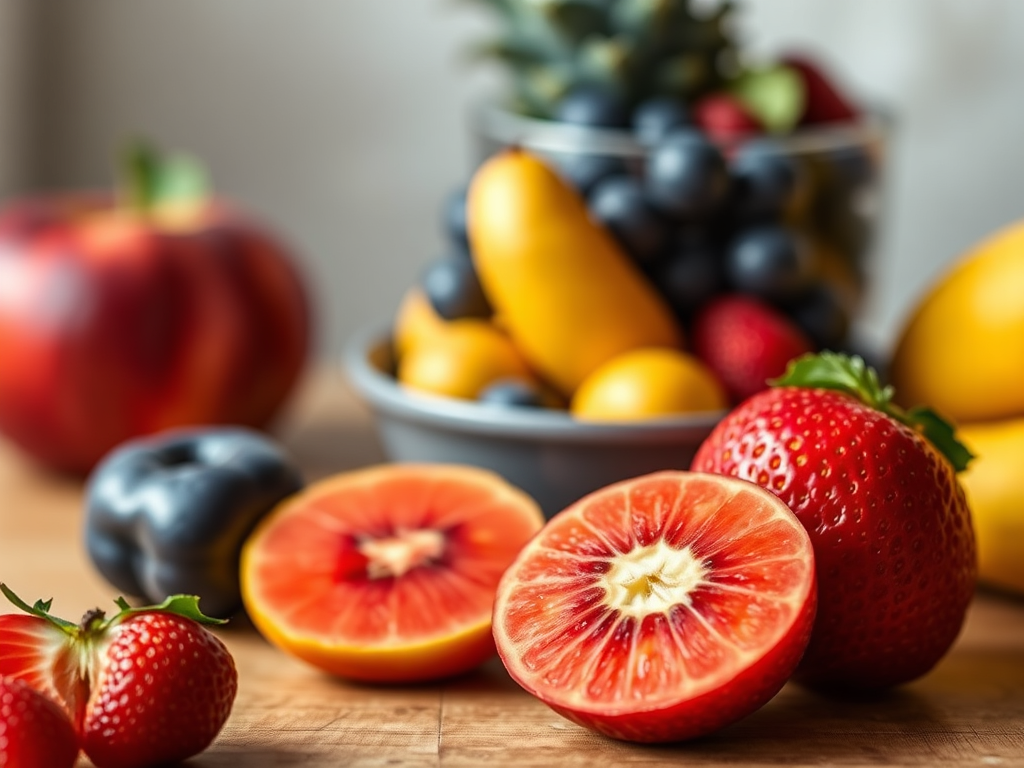
Organic fruit affects blood sugar after meals mainly through its carbohydrate content, fiber, ripeness, portion size, and the other foods eaten with it; the organic label itself does not reliably make fruit raise glucose more slowly. Whole apples, berries, pears, citrus, and similar choices usually produce a steadier response than juice or dried fruit because chewing and fiber slow digestion. Eating a moderate portion alongside protein, fat, or a fiber-rich meal may soften the rise, while a large serving of very ripe fruit can produce a faster increase. People monitoring diabetes or medication-related glucose changes should use their clinician’s plan and rely on personal readings rather than assuming all fruit behaves alike.
What Determines the Post-Meal Blood Sugar Rise
Fruit can raise blood glucose after eating because its natural sugars and starches are digested into glucose and other simple sugars. The size and speed of that change depend less on whether the fruit is organic than on the fruit’s form, carbohydrate amount, fiber content, ripeness, and the meal surrounding it. A small serving of berries after a meal may produce a different response from a large bowl of very ripe grapes eaten alone.
Fiber is a major reason whole fruit often behaves differently from a sweet drink. The intact structure of an apple, orange, or pear requires chewing and digestion, while soluble and insoluble fiber can slow the movement of food through the digestive tract. Fiber does not cancel the fruit’s carbohydrate, but it may make the rise less abrupt. Water content also affects portion volume: watermelon may occupy a large space while providing less carbohydrate per typical bite than dried fruit, where water has been removed.
Ripeness changes the eating experience and may alter how quickly the available carbohydrate is consumed. A firm banana is usually less sweet than a heavily spotted, soft banana, and people may eat different quantities of each. The same principle applies to mangoes, pears, peaches, and other fruit. A common mistake is to judge a food only by its natural origin. “Natural sugar” still contributes carbohydrate, and organic certification addresses production practices rather than a guaranteed post-meal glucose pattern.
Meal composition matters as well. A fruit dessert eaten after beans, vegetables, fish, eggs, or plain yogurt is part of a mixed meal, not an isolated sugar exposure. Protein, fat, fiber, and the meal’s total carbohydrate can change gastric emptying and the timing of glucose absorption. The response may be slower but still prolonged, so a lower early reading does not necessarily mean the total effect is negligible.
Whole Fruit, Juice, and Dried Fruit Compared
Whole fruit is generally the most useful starting point when the goal is to manage the rise after eating. An intact orange provides juice, fiber, and a physical structure that takes time to consume. Orange juice removes much of that structure and can be consumed quickly, making several oranges’ worth of carbohydrate easy to drink without the same chewing or fullness. Juice may have a place in specific medical situations, but it should not be treated as nutritionally interchangeable with a whole orange.
Dried fruit presents a different portion challenge. Raisins, dates, apricots, and dried mango contain less water, so a small handful can represent a much larger fruit quantity than it appears to be. Some products also contain added sugar, although an added-sugar-free label does not make the concentrated carbohydrate disappear. Checking the ingredient list and considering the serving size gives a more accurate picture than relying on the word organic.
Fruit products can also contain blended or processed forms that change the practical effect. Smoothies retain more fiber than juice when the whole fruit is blended, but drinking a large smoothie can still deliver several servings rapidly. Fruit leather, sweetened applesauce, and fruit-flavored snacks may have less intact structure and may include syrups or refined ingredients. Comparing these options with a piece of fruit and unsweetened yogurt illustrates why processing and speed of consumption deserve attention.
For a post-meal choice, prioritize the form that is easiest to portion and slow down. Berries, a small apple, a kiwi, or a citrus fruit may be convenient examples, but no single fruit is universally “safe” or universally problematic. A person who notices a larger response to grapes may do better with a smaller portion paired with a meal, while another person may tolerate grapes without difficulty. The relevant comparison is not organic versus conventional alone; it is whole versus concentrated, modest versus oversized, and mixed meal versus rapid snack.
Portions, Pairings, and Meal Timing
Portion size often determines whether fruit functions as a modest part of a meal or becomes the meal’s dominant carbohydrate source. A practical serving can be measured by the nutrition information for the specific fruit, a household measure, or the carbohydrate plan provided by a clinician or dietitian. Visual estimates are less reliable with grapes, cherries, and dried fruit because many small pieces can accumulate quickly.
Pairing fruit with protein, fat, or additional fiber may make the glucose curve more gradual for some people. Examples include berries with unsweetened Greek-style yogurt, an apple with a small amount of nut butter, or pear slices served after a meal containing lentils and vegetables. These pairings do not neutralize carbohydrate, and adding calorie-dense ingredients can create a separate energy or digestive concern. The purpose is to build a balanced eating pattern, not to use fat as a guarantee against a glucose rise.
Timing changes the context but does not erase the carbohydrate. Eating fruit as dessert after a mixed meal may produce a different pattern from eating the same quantity alone between meals. Some people prefer fruit earlier in the day because it fits their routine; others find a small serving after lunch easier to monitor. The best timing is the one that allows a measured portion, avoids rushed eating, and fits prescribed medication and meal instructions.
A useful priority order is simple:
- Choose whole fruit before juice or heavily concentrated forms.
- Measure the portion when eating small, sweet, or dried fruit.
- Pair fruit with a balanced meal when that fits the person’s dietary plan.
- Watch for sweetened yogurt, granola, sauces, or drinks that add hidden carbohydrate.
The common failure is adding fruit to an already carbohydrate-heavy meal and then blaming the fruit alone. A large serving of rice, sweetened dressing, bread, and fruit may produce a bigger response than the fruit would have caused in a smaller, more balanced plate. Reviewing the complete meal gives better decision value than banning one whole food without examining the rest.
Choosing Organic Fruit Without Misreading the Label
Organic fruit can be a reasonable choice based on farming practices, personal values, availability, or preferences, but organic status should not be used as a blood sugar claim. Certified production standards and glucose response answer different questions. A conventionally grown apple and an organic apple have broadly similar carbohydrate considerations for portion planning, while differences in variety, size, ripeness, and preparation may matter more at the table.
Price and access create real tradeoffs. If organic berries are costly or unavailable, replacing fruit with juice or skipping produce entirely is not automatically a better glucose decision. Frozen fruit without added sugar can be practical, nutritious, and easier to store. Washing and handling produce according to food-safety guidance remains relevant regardless of the growing label. The label may guide purchasing, but it does not replace checking ingredients or serving size on packaged products.
Variety also matters because fruit supplies different combinations of fiber, potassium, vitamin C, polyphenols, and water. Berries are often easy to portion; citrus is naturally segmented; apples and pears travel well; bananas are convenient but vary in size and ripeness. Choosing based on texture, storage, budget, and portion control may be more useful than searching for a single “best” organic fruit.
Readers comparing fruit choices can use how organic fruit affects blood sugar after meals as a planning lens: examine the serving, the form, and the surrounding foods together. Do not assume that a premium price guarantees a lower glucose reading. If a packaged organic fruit product includes concentrates, syrups, or large portions, its practical effect may resemble a conventional processed product more than a whole piece of fruit.
A Practical Way to Observe Your Own Response
Personal observation can reveal patterns that general food charts miss, especially for people managing diabetes or using glucose-lowering medication. Begin with a familiar whole fruit and a consistent portion, then record the meal context, ripeness, and form. Comparing an apple after a balanced lunch with apple juice consumed quickly gives a more useful experiment than comparing unrelated meals.
Use the monitoring method recommended by your healthcare professional. If you use a meter or continuous glucose monitor, note the timing of readings because an early result may not show the full post-meal pattern. Keep the rest of the meal reasonably similar when making comparisons. Changes in sleep, stress, activity, illness, medication, and starting glucose can affect the result, so one reading should not become a permanent food rule.
Signs that the approach is working include a portion that fits the person’s plan, a meal that is satisfying without a rapid return to hunger, and readings that remain within the individualized targets supplied by a clinician. Signs that the plan needs review include repeated unexpected highs, difficulty estimating portions, or symptoms of low or high blood glucose. Medication should not be changed to accommodate fruit without professional direction.
For more context, readers can connect this topic with how organic fruit affects blood sugar after meals when reviewing shopping and meal notes. The most actionable record includes the exact fruit, approximate amount, whether it was whole or processed, the other carbohydrates on the plate, and the response over the recommended monitoring window. A registered dietitian or treating clinician can help interpret persistent patterns, particularly when pregnancy, diabetes, kidney disease, or glucose-lowering drugs are involved.
Frequently Asked Questions
Does organic fruit cause a smaller blood sugar rise?
Not necessarily. Organic and conventional versions of the same fruit can have similar carbohydrate effects; portion, ripeness, processing, and meal composition usually matter more.
Which fruit is least likely to raise blood sugar after a meal?
No fruit is guaranteed to have the same effect for everyone. Whole berries, citrus, apples, and pears are often practical because they provide fiber and are relatively easy to portion, but personal response still matters.
Is whole fruit better than juice for blood sugar?
Whole fruit is generally easier to portion and includes its intact fiber structure. Juice can be consumed quickly and may deliver the carbohydrate of multiple fruits, so it often requires more caution.
Should fruit be eaten before or after a meal?
Either may fit, depending on the person’s plan and glucose response. Eating a measured portion with or after a balanced meal may be more manageable than consuming a large amount alone.
Can people with diabetes eat organic fruit?
Many people with diabetes can include fruit, but the suitable amount and timing depend on the individual plan, medications, and glucose pattern. A clinician or dietitian can provide personalized guidance.
Conclusion
Organic fruit can fit a blood-sugar-conscious meal, but the organic label does not determine the post-meal glucose response. Give priority to whole fruit, measured portions, intact fiber, and the total carbohydrate content of the meal. Treat juice, dried fruit, large smoothies, and sweetened fruit products as concentrated choices rather than automatic equivalents of fresh fruit. Pairing fruit with a balanced meal may produce a steadier pattern for some people, yet personal monitoring remains more informative than broad claims about a “best” fruit. Record the fruit, amount, preparation, and meal context when patterns are unclear. Anyone using glucose-lowering medication or seeing repeated unexpected readings should discuss those results with a healthcare professional before changing diet or treatment.
Further Reading
Authoritative Sources
- The science of how fruit affect blood sugar
quadram.ac.ukChoosing low GI fruits, controlling portions, and pairing fruits with protein and healthy fats can help manage blood sugar levels.
- Fruits That Raise Blood Sugar *kFVFmfcx1*
ncl.ac.ukPeer-reviewed journals consistently show whole fruit's food matrix slows sugar absorption compared with juices or concentrated sources. A 2025 ...
- Best Practices for Fruit Consumption with Diabetes
russpowellnutrition.comIt's best to pair fruit with other macronutrients to keep your blood sugar more stable. Portion Control Strategies for Fruit Consumption.
- Learn how food order during a meal can impact your blood ...
diabetescarecommunity.caFoods containing carbohydrate – such as starchy vegetables, grains and fruits – have the most impact on blood sugar levels. Choosing ...