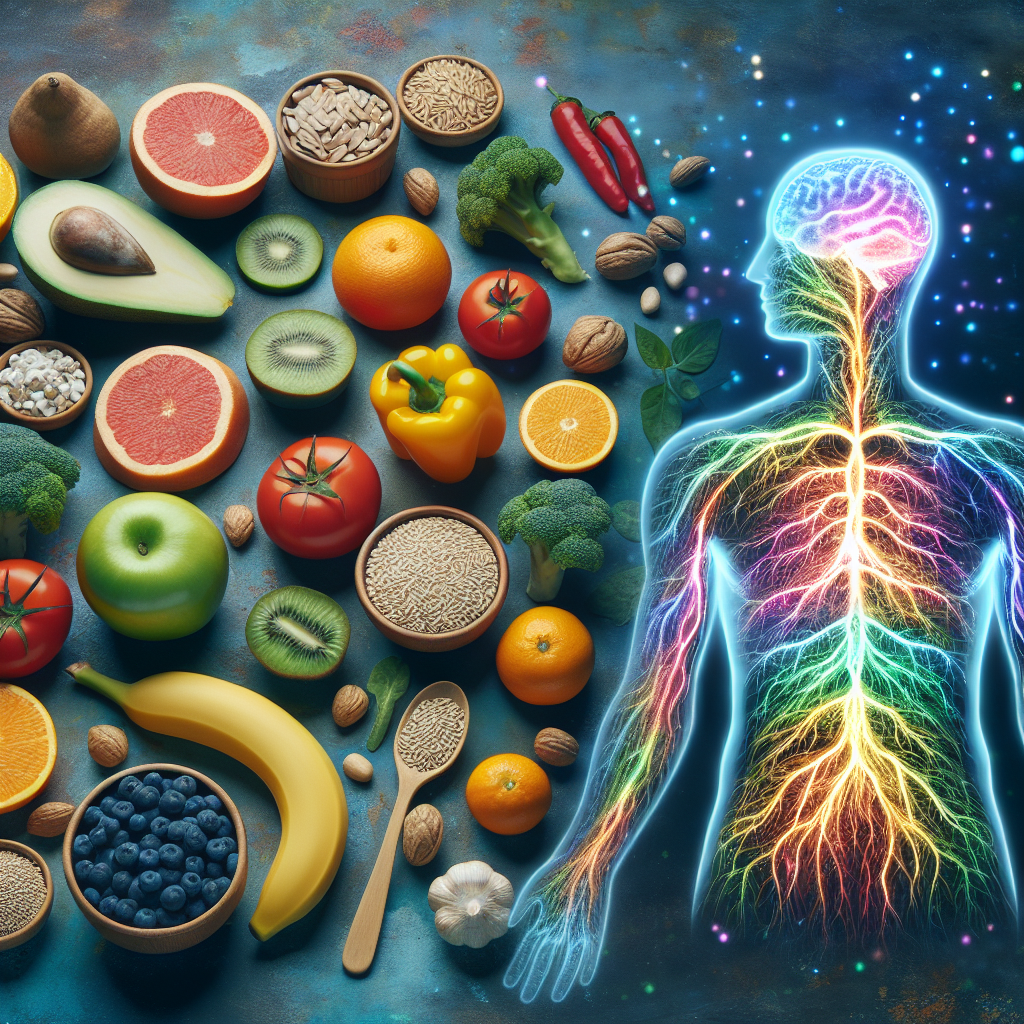
Maintaining mental clarity is essential for productivity and overall well-being. An organic diet can help by delivering high-quality nutrients while minimizing exposure to pesticides and additives. Foods rich in omega-3 fatty acids, such as flaxseeds and walnuts, contribute to better brain health. Additionally, antioxidants found in berries and leafy greens combat oxidative stress, which can impair cognitive function.
Many people overlook the importance of meal timing and composition in enhancing mental clarity. Consuming balanced meals that include protein, healthy fats, and complex carbohydrates can stabilize blood sugar levels, preventing energy crashes that lead to cognitive fog. It’s also crucial to stay hydrated, as even mild dehydration can negatively affect concentration and mental performance.
Key Foods for Mental Clarity
Incorporating specific organic foods into your diet can significantly enhance mental clarity. Foods rich in omega-3 fatty acids, such as salmon and chia seeds, support brain health by promoting neuronal function and reducing inflammation. Additionally, dark leafy greens like spinach and kale are high in vitamins K, C, and E, which are associated with cognitive health.
Fruits such as blueberries and strawberries are powerful antioxidants that improve communication between brain cells, enhancing memory and learning. Whole grains like quinoa and brown rice provide complex carbohydrates that fuel brain activity without causing spikes in blood sugar, which can lead to cognitive fatigue.
To maximize the benefits of these foods, consider incorporating them into every meal. A breakfast smoothie with spinach, berries, and flaxseeds can kickstart your day, while a lunch bowl with quinoa, roasted vegetables, and grilled salmon can keep you energized throughout the afternoon.
Best Practices for an Organic Diet
Adopting best practices in your organic diet can amplify its benefits for mental clarity. Start by focusing on whole, minimally processed foods. This means choosing organic fruits and vegetables, whole grains, and healthy fats while avoiding processed snacks and sugary beverages that can cause energy crashes.
Meal prepping is another effective strategy. Preparing meals in advance ensures that you always have healthy options on hand, reducing the temptation to opt for convenience foods. Additionally, try to incorporate a variety of colors on your plate; this not only makes meals more visually appealing but also ensures a broader range of nutrients.
It’s crucial to listen to your body and adjust your diet based on how you feel. Some individuals may thrive on a higher protein intake, while others may benefit from increased carbohydrates. Keeping a food diary can help identify patterns and preferences that support optimal cognitive function.
Common Mistakes to Avoid
While implementing an organic diet for mental clarity, it’s essential to avoid common pitfalls. One major mistake is assuming that all organic foods are inherently healthy. Some organic snacks can be high in sugar and unhealthy fats, so it’s vital to read labels carefully.
Another mistake is neglecting hydration. Many individuals underestimate the impact of hydration on cognitive function. Aim to drink adequate water throughout the day, as even mild dehydration can impair concentration and memory.
Lastly, don’t overlook the role of physical activity. Regular exercise complements a healthy diet by boosting blood flow to the brain and promoting the release of beneficial hormones. Strive for a balanced lifestyle that integrates nutrition, hydration, and physical activity for optimal mental clarity.
Further Reading
Authoritative Sources
- Dietary Patterns and Mental Health
ncbi.nlm.nih.govThis article discusses the relationship between dietary patterns and mental health, emphasizing the role of nutrition in cognitive function
- Foods for Brain Health
healthline.comHealthline provides a comprehensive overview of foods that support brain health and cognitive function
- Brain Foods: What to Eat for Better Brain Health
mayoclinic.orgThis resource outlines various foods that can enhance brain health and improve mental clarity
Frequently Asked Questions
What are the best organic foods for mental clarity?
Foods rich in omega-3 fatty acids, antioxidants, and vitamins, such as fatty fish, berries, leafy greens, and nuts, are best for enhancing mental clarity.
How does an organic diet improve cognitive function?
An organic diet reduces exposure to harmful chemicals and provides essential nutrients that support brain health, leading to better cognitive function.
Is it necessary to eat organic for mental clarity?
While it’s not strictly necessary, choosing organic foods can minimize exposure to pesticides and additives that may negatively impact cognitive health.
Can hydration affect mental clarity?
Yes, even mild dehydration can impair concentration and cognitive performance, making proper hydration crucial for maintaining mental clarity.
What lifestyle changes can support an organic diet?
Incorporating regular exercise, meal prepping, and staying hydrated are key lifestyle changes that can support an organic diet and enhance mental clarity.
Conclusion
To wrap up, adopting an organic diet approach for improving mental clarity involves focusing on nutrient-dense foods, proper hydration, and balanced meals. By prioritizing organic fruits, vegetables, whole grains, and healthy fats, you can significantly enhance cognitive function. Avoid common pitfalls such as neglecting hydration and consuming processed organic snacks. By integrating these practices into your daily routine, you can achieve sustained mental clarity and overall well-being.