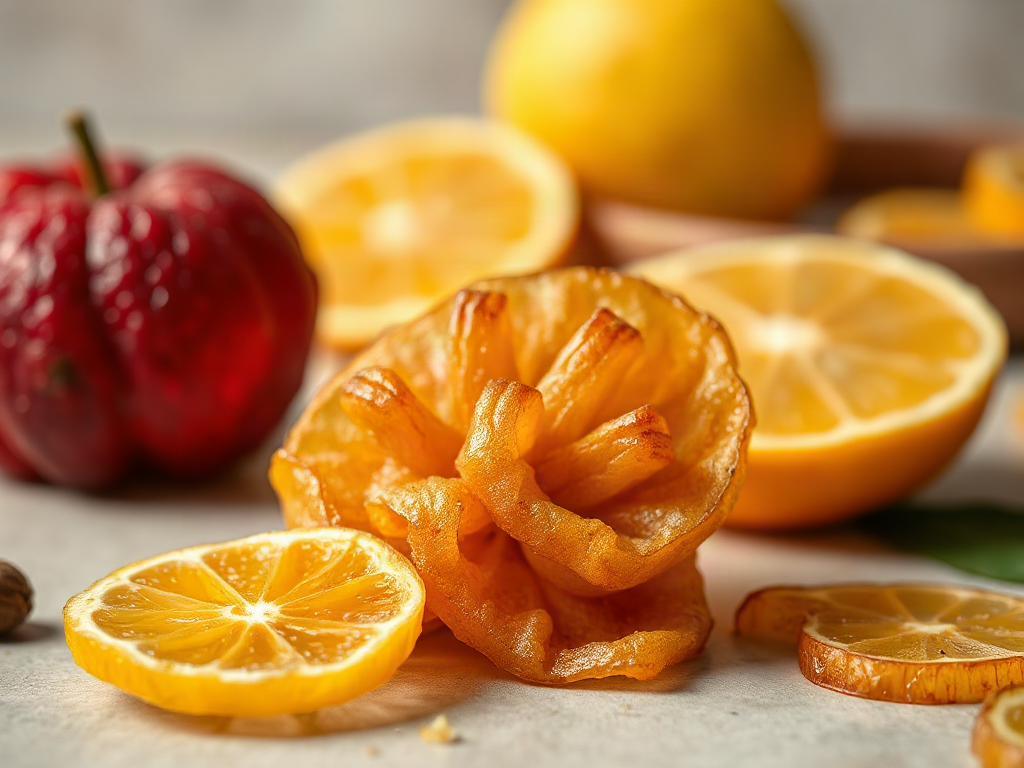
Dehydrated organic fruit portion concentration effects mainly result from removing water: the same fruit weight occupies less space, so its natural sugars, calories, fiber, and minerals become concentrated in a smaller serving. A modest handful of dried mango, raisins, or apple pieces can therefore represent much more fresh fruit than its volume suggests, while the reduced water content may make fullness less immediate. Portion size should be judged by weight, package serving information, and the fruit’s added ingredients rather than by handful alone. Unsweetened products retain their naturally occurring sugars, but sweetened varieties add another source of sugar. Pairing dried fruit with yogurt, nuts, or a meal can make portions easier to moderate.
Why Dehydration Concentrates a Fruit Portion
Dehydration removes much of a fruit’s water while leaving its solid components behind. Those solids include naturally occurring sugars, fiber, acids, pigments, and minerals, so a smaller piece of dried fruit can represent a substantially larger amount of the original fresh fruit. The process does not automatically make the fruit nutritionally poor, but it changes how quickly a person can eat an equivalent amount and how easy it is to judge the serving.
Fresh grapes illustrate the difference clearly. Water-rich grapes take up considerable space and are eaten one at a time. Raisins are smaller, softer, and easier to consume by the spoonful, yet they contain the concentrated solids of the grapes from which they were made. The same principle applies to apple rings, dried apricots, dates, banana pieces, and mango. The exact concentration varies with the fruit, drying method, final moisture level, and whether the product contains added sugar or oil.
Volume creates the first practical trap. A bowl that looks modest when filled with dried fruit may represent several fresh-fruit portions, whereas the same bowl filled with fresh berries or melon contains much more water and usually takes longer to eat. Weight is a more dependable comparison than visual size, especially when pieces vary in thickness or when a product is coated, chopped, or compressed into a bar.
Processing also affects texture and eating speed. Crisp chips encourage repeated bites, while chewy dates or apricots may be eaten more slowly. Neither texture determines the health value by itself, but texture changes behavior. A person monitoring intake should compare the package serving by grams, check how many pieces that serving contains, and portion the fruit into a bowl instead of eating directly from a large pouch. For more context on the broader topic, see dehydrated organic fruit portion concentration effects.
Sugar, Calories, Fiber, and Fullness in Smaller Servings
The main nutritional effect of removing water is concentration, not the creation of new sugar. Unsweetened dried fruit still contains the fruit’s naturally occurring sugars, but those sugars occupy less space after dehydration. Calories also become easier to consume quickly because the water that previously contributed bulk and chewing time is reduced. A small container of raisins, for instance, may be more energy-dense by volume than a container of grapes, even though both began as the same type of fruit.
Fiber generally remains present, although the amount per serving depends on the fruit and the serving’s weight. Fiber can contribute to digestive regularity and meal satisfaction, but dried fruit should not be treated as interchangeable with fresh fruit in every situation. Fresh fruit supplies water and often encourages a slower eating pace. Dried fruit supplies convenience, portability, and longer storage, but it requires more deliberate portioning. The better choice depends on the setting rather than on a simple fresh-versus-dried ranking.
Satiety is particularly easy to misread. A few dried berries may feel like a light snack because they occupy little room, yet a person can continue eating before fullness catches up. Combining a measured portion with protein or fat can make the snack more substantial. Unsweetened apricots with plain yogurt, raisins stirred into oatmeal, or chopped dates alongside walnuts are more structured choices than grazing from a bag. These combinations do not cancel the fruit’s concentrated sugars; they simply add other nutrients and may slow the pace of eating.
Added sweeteners change the calculation. Candied cranberries, sugar-coated pineapple, and some dried mango products may contain sweeteners beyond the fruit itself. The ingredient list should be read alongside the Nutrition Facts panel because a product described as “organic” may still contain organic cane sugar or syrup. Organic status addresses how agricultural ingredients are produced under the applicable certification system; it does not mean low-sugar, low-calorie, or unlimited. A useful portion check asks three questions:
- Is the product unsweetened, or does the ingredient list include sugar, syrup, juice concentrate, or another sweetener?
- How many grams and pieces make up one serving?
- Is the fruit replacing a less nutritious snack, or is it being added on top of a full meal?
Organic Certification and Ingredient Labels
Organic certification and dehydration describe different features of the food. Certification relates to production and handling standards, while dehydration describes the physical removal of water. Choosing an organic dried fruit may reflect preferences about farming practices, ingredient sourcing, or certification, but the organic label does not remove the need to examine portion size and ingredients.
Labels are especially useful for distinguishing plain dried fruit from products with coatings or blends. A package of organic dried apples may contain only apples, while a granola-style fruit mix may include sweetened cranberries, nuts, oils, or grains. A fruit leather may be made from fruit puree but may also contain concentrated juices or added sweeteners. The food’s form can therefore matter as much as the word “organic” on the front panel.
Preservatives and appearance deserve careful interpretation. Some dried fruits use sulfites to help preserve color, while others rely on different processing methods. People who know they are sensitive to a particular ingredient should review the full label rather than infer the formulation from color. A darker product is not automatically less nutritious, and a brightly colored product is not automatically fresher or better.
Organic products can also be expensive. If budget is limited, a plain conventional product with a short ingredient list may provide a more practical choice than a sweetened organic snack marketed in small packages. Conversely, a shopper who prioritizes certified organic sourcing can choose an unsweetened product and manage concentration through portion size. The weak assumption is that the front label answers every nutrition question. The useful comparison is among serving weight, ingredient list, sugar information, packaging, and intended use.
For household use, transfer a large bag into small containers after checking the label serving. That step separates portion planning from appetite at the moment of eating. It also makes it easier to add a measured amount to cereal, salads, trail mix, or cooked grains without turning a recipe into an unexpectedly sweet dish.
Practical Portion Decisions for Meals and Snacks
A workable portion depends on the fruit’s form, the rest of the meal, and the person’s nutrition needs. A small measured serving may fit well in oatmeal or yogurt, where it contributes sweetness and texture alongside other foods. The same amount eaten repeatedly from a desk drawer can become several servings without the eater noticing. Portion concentration is therefore a planning issue as much as a nutrient issue.
Use the package’s gram serving as the starting point, then adjust for the situation. If the dried fruit is an ingredient in a meal containing whole grains, protein, and unsweetened dairy, its sweetness may be distributed across the dish. If it is being eaten alone during a long commute, pairing it with nuts, cheese, or plain yogurt may offer a more balanced snack. People managing blood glucose, dental concerns, digestive symptoms, or prescribed dietary limits may need individualized advice from a registered dietitian or clinician rather than relying on a general serving suggestion.
A simple decision sequence keeps the choice practical:
- Identify the form. Separate unsweetened whole pieces from candied fruit, fruit snacks, bars, and mixes.
- Measure once. Use the listed weight or a consistent small container instead of estimating from an open bag.
- Match the context. Add dried fruit to a meal, or pair it with another food when a standalone handful is unlikely to satisfy.
- Check the result. Notice whether the portion feels adequate, whether repeated snacking follows, and whether the product causes digestive discomfort.
These steps do not impose one correct amount on everyone. An endurance athlete, a child’s lunch, and a person trying to reduce concentrated snacks have different needs. The practical priority is knowing what the portion represents and avoiding the belief that small physical size means small nutritional impact. A fresh-fruit alternative may be preferable when hydration and volume matter; dried fruit may be preferable when portability, shelf life, or recipe use matters.
Common Mistakes and Better Ways to Use Dried Fruit
The most common mistake is comparing a handful of dried fruit with a handful of fresh fruit as though the volumes have equal nutritional meaning. They do not. Water loss changes density, and piece size changes the number of bites. A second mistake is assuming that “no added sugar” means the product contains little sugar. It means the ingredient list does not show an added sweetener; the fruit’s natural sugars remain.
Another failure point is treating dried fruit as a free replacement for candy without considering quantity. Plain raisins or dates can offer fiber and fruit compounds that many sweets lack, but excessive grazing still supplies concentrated sugars and calories. The comparison should be based on the whole eating pattern, not a health halo attached to the word fruit.
Storage and texture can affect use as well. Moist, chewy products may clump, while very dry pieces can become hard or stale. Keep the package sealed and follow its storage instructions. Discard food with unusual odor, visible mold, or clear signs of spoilage. Do not assume that drying makes every product immune to quality loss; packaging, moisture, and handling still matter.
A useful trial is to measure the product for one week and record where it fits best: breakfast, packed lunch, baking, or an afternoon snack. If the portion repeatedly leads to unplanned refills, change the format rather than relying on willpower. Buy single portions, choose fresh fruit for high-volume snacking, or combine a smaller dried-fruit amount with a more filling food. If a product causes bloating or diarrhea, reduce the amount and consider whether the fruit, sweeteners, sugar alcohols, or other ingredients are responsible; persistent symptoms merit professional evaluation.
Readers comparing products can also use dehydrated organic fruit portion concentration effects as a label-reading lens: water removal, serving weight, added ingredients, eating speed, and intended use should be judged together. That approach is more reliable than choosing solely by package color, organic marketing, or a claim that the fruit is “natural.”
Frequently Asked Questions
Does dehydrating fruit add sugar?
Dehydration does not inherently add sugar, but it removes water and concentrates the fruit’s natural sugars by weight and volume. Check the ingredient list for added sweeteners.
Is organic dried fruit lower in calories?
Not necessarily. Organic certification and calorie concentration are separate issues. Compare serving weight, ingredients, and the Nutrition Facts panel.
How should a dried-fruit portion be measured?
Use the package serving in grams or measure a consistent amount into a bowl. A handful is unreliable because piece size and hand size vary.
Is fresh fruit always better than dehydrated fruit?
Fresh fruit supplies more water and volume, while dried fruit is portable and shelf-stable. The better option depends on the meal, storage needs, and portion control.
What should people with blood-sugar concerns do?
Use a measured portion, avoid assuming unsweetened means low-sugar, and consider pairing the fruit with a meal or protein-containing food. Individual advice should come from a qualified clinician or dietitian.
Conclusion
Dehydrated fruit deserves a serving-size mindset because water removal changes density without removing the fruit’s natural sugars and calories. Organic certification may matter for sourcing preferences, but it does not determine whether a product is unsweetened, low-calorie, or easy to overeat. Read the ingredients, compare serving weight, and decide whether the fruit is being used as a recipe component, a portable snack, or a substitute for fresh produce. Choose fresh fruit when hydration and volume are priorities; choose dried fruit when portability and storage are more useful. A measured portion paired with yogurt, nuts, or a balanced meal often works better than eating directly from the package. Persistent digestive symptoms or medically specific dietary needs call for individualized professional guidance.