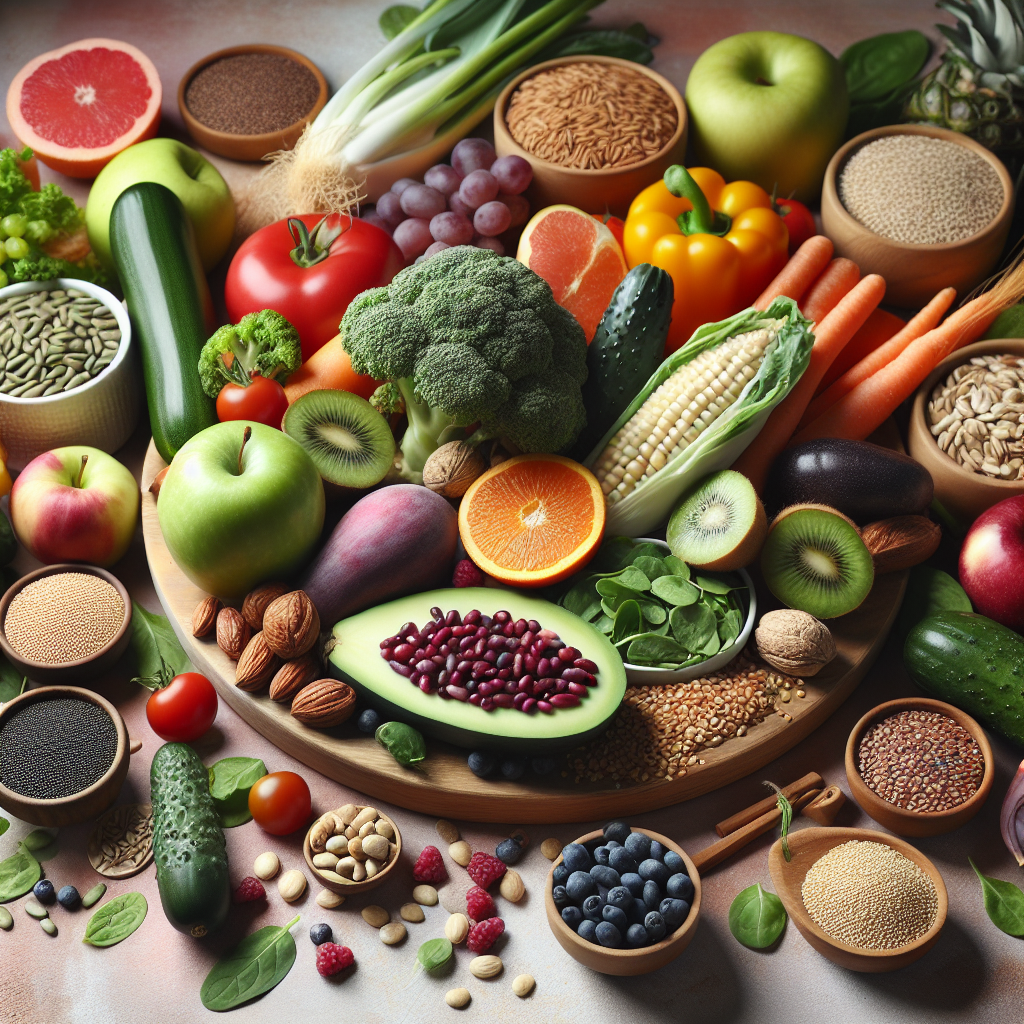
When structuring your meal plan, prioritize foods rich in fiber and protein, as they can help sustain you during fasting periods. Incorporating a variety of colorful vegetables not only boosts nutrient intake but also adds flavor and enjoyment to your meals. Common pitfalls include relying too heavily on processed vegetarian products, which may lack essential nutrients and lead to energy crashes.
Many people underestimate the importance of timing in relation to fasting. Eating the right foods at the right times can maximize the benefits of intermittent fasting. For instance, consuming a hearty, fiber-rich meal before your fasting window can help you feel fuller longer, reducing cravings during the fasting period.
Key Components of an Organic Vegetarian Meal Plan
A well-rounded organic vegetarian meal plan should include a variety of foods that provide essential nutrients. Focus on incorporating whole grains, legumes, nuts, seeds, fruits, and vegetables. These foods are not only rich in vitamins and minerals but also provide the necessary fiber and protein to keep you satiated.
Whole grains such as quinoa, brown rice, and oats are excellent sources of complex carbohydrates, providing sustained energy. Legumes like lentils and chickpeas are high in protein and fiber, making them ideal for maintaining fullness during fasting periods. Additionally, fruits and vegetables are crucial for their antioxidants and phytonutrients, supporting overall health.
When planning your meals, aim for a colorful plate. Different colors of fruits and vegetables often indicate diverse nutrient profiles. This variety ensures that you are not only meeting your nutritional needs but also enjoying your meals, which is vital for adherence to any dietary plan.
Timing Your Meals for Maximum Benefit
Timing is critical in an organic vegetarian meal plan designed to support intermittent fasting. Aligning your meals with your fasting schedule can enhance the benefits of fasting, such as improved insulin sensitivity and better metabolic health.
During your eating window, prioritize consuming a large meal rich in fiber and protein to help you feel satisfied. For example, a meal could include a quinoa salad topped with chickpeas, mixed greens, and a variety of colorful vegetables. This combination provides a balance of macronutrients and keeps you energized.
Additionally, consider the timing of your meals. Eating your first meal shortly after your fasting period can help to kickstart your metabolism. Following this, spacing your meals adequately can prevent overeating and maintain steady energy levels throughout the day.
Common Mistakes to Avoid
One common mistake when following an organic vegetarian meal plan for intermittent fasting is not consuming enough calories. While fasting, it’s easy to underestimate your energy needs, leading to fatigue and cravings. Ensure that your meals are nutrient-dense and include adequate portions to meet your caloric requirements.
Another pitfall is neglecting hydration. Dehydration can mimic hunger, leading to unnecessary snacking during fasting periods. Make it a habit to drink water throughout the day, and consider herbal teas or infused water for variety.
Ultimately, avoid over-relying on processed vegetarian options. While they may be convenient, many are high in sodium and preservatives. Focus on whole, organic foods that nourish your body.
Sample Meal Plan
Here’s a simple sample meal plan to illustrate how to structure your meals around intermittent fasting:
- Meal 1 (Breaking Fast): Quinoa salad with mixed greens, chickpeas, cherry tomatoes, and avocado.
- Meal 2: A smoothie with spinach, banana, almond milk, and a scoop of plant-based protein powder.
- Meal 3: Stir-fried tofu with broccoli, bell peppers, and brown rice.
- Snack: Hummus with carrot and cucumber sticks.
This sample plan includes a balance of macronutrients and emphasizes whole foods, making it suitable for those practicing intermittent fasting.
Further Reading
Authoritative Sources
- Intermittent Fasting: A Comprehensive Review
ncbi.nlm.nih.govThis resource provides a thorough overview of the science behind intermittent fasting and its health benefits
- Vegetarian Diets: A Complete Overview
eatright.orgExplore the key components and health benefits of vegetarian diets
Frequently Asked Questions
What foods should I prioritize in my meal plan?
Focus on whole grains, legumes, fruits, and vegetables to ensure a nutrient-dense diet.
How can I avoid feeling hungry during fasting?
Ensure your meals are high in fiber and protein, which can help maintain fullness.
Is intermittent fasting safe for everyone?
It’s recommended to consult with a healthcare provider before starting intermittent fasting, especially for those with underlying health conditions.
Can I drink beverages during fasting?
Water, black coffee, and herbal tea are generally acceptable during fasting periods.
What are some common mistakes to avoid?
Avoid under-eating, neglecting hydration, and relying too heavily on processed vegetarian foods.
Conclusion
Creating an organic vegetarian meal plan to support intermittent fasting involves careful consideration of food choices and meal timing. Prioritize whole, nutrient-dense foods that provide energy and sustenance during fasting periods. By avoiding common pitfalls and ensuring adequate hydration, you can successfully integrate this meal plan into your lifestyle. Remember that consistency is key, and adapting your approach based on your body’s responses will yield the best results.