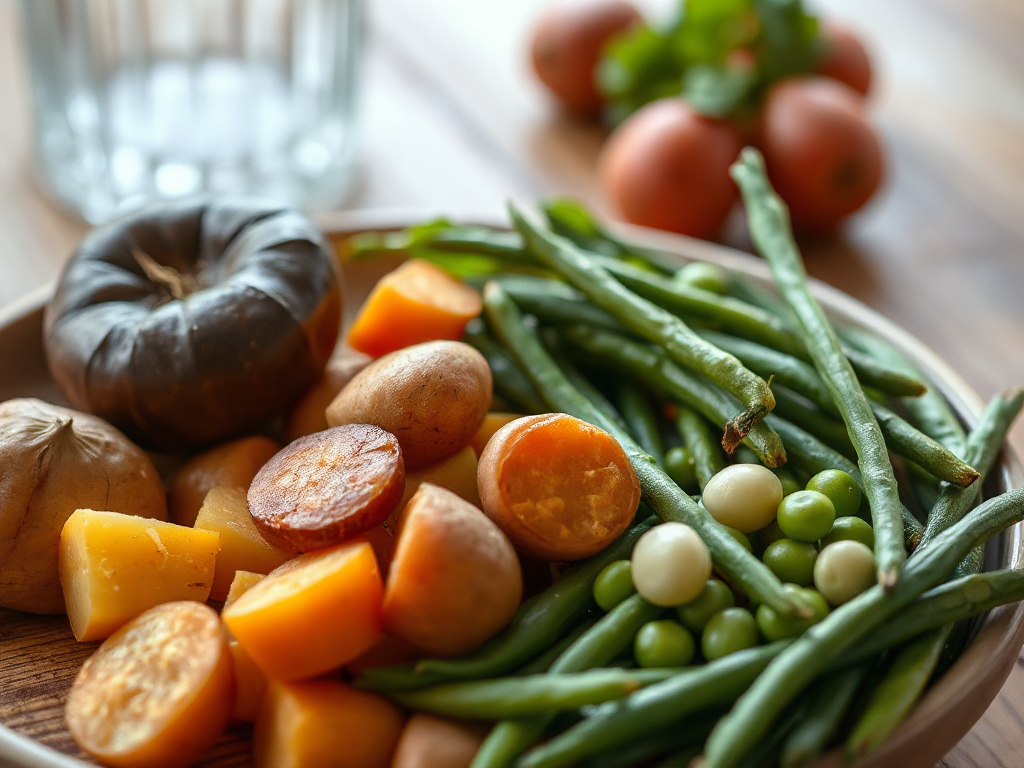
Organic vegetables for post workout meals work best when they supply carbohydrates, fluids, potassium, and vitamin-rich variety alongside a meaningful protein source. Potatoes, sweet potatoes, peas, corn, beets, leafy greens, peppers, and broccoli can fit different recovery needs, but vegetables alone may not provide enough energy or protein after demanding training. Choose cooked produce when digestion is sensitive, add rice, beans, eggs, fish, tofu, or yogurt, and season the meal without relying on heavy sauces. A common mistake is building a very large raw salad that displaces the protein and carbohydrate needed for recovery, especially when appetite is low or the next workout is soon.
What Post Workout Vegetables Need to Provide
The useful role of vegetables after exercise depends on the demands of the session and the rest of the meal. Produce contributes water, potassium, folate, vitamin C, carotenoids, polyphenols, and fiber, while selected starchy vegetables also provide substantial carbohydrate. Those nutrients do not replace protein, but they can make a recovery meal more filling, varied, and easier to build from minimally processed foods.
Carbohydrate deserves special attention after long endurance training, repeated high-intensity work, or a second session later the same day. A baked potato, sweet potato, winter squash, peas, or corn supplies more carbohydrate than cucumber or leafy greens. By contrast, spinach, peppers, broccoli, and tomatoes add valuable micronutrients and volume but generally should be paired with rice, oats, bread, beans, or another carbohydrate source when replenishment matters.
Protein remains the anchor for muscle repair and adaptation. A plate of roasted vegetables may look nutritious yet leave a lifter hungry because it lacks a substantial protein serving. Add eggs, chicken, fish, Greek yogurt, tofu, tempeh, lentils, or beans according to dietary preference. The practical test is simple: if the meal contains only produce, it is probably a side dish rather than a complete recovery meal.
Fiber creates a useful tradeoff. It supports fullness and regular eating patterns, but a very large serving of raw cabbage, kale, or broccoli immediately after hard exercise may feel uncomfortable. Someone eating several hours before the next session can tolerate more fiber than someone who needs a quick, easy-to-digest meal. Use organic vegetables for post workout meals as part of a flexible plate rather than treating the label as a substitute for meal composition.
Vegetable Choices for Different Recovery Meals
Starchy produce is usually the most useful starting point when the workout has created a larger carbohydrate demand. Potatoes and sweet potatoes are versatile, affordable, and easy to combine with protein. They can be baked, steamed, or mashed, then served with salmon and green beans or with tofu, peppers, and a yogurt-based sauce. Squash offers a softer texture and can be combined with lentils or chicken in a bowl.
Peas and corn occupy a middle ground because they provide carbohydrate and some protein while still functioning as vegetables in familiar meals. A quinoa bowl with peas, roasted carrots, edamame, and tofu offers a different balance from a potato plate with eggs. Neither is automatically superior. The better choice depends on appetite, training volume, available cooking time, and whether the meal needs to be compact or highly filling.
Nonstarchy options add color, texture, and micronutrient variety. Broccoli, Brussels sprouts, leafy greens, peppers, tomatoes, mushrooms, asparagus, and green beans can broaden a meal without making it heavily dependent on refined ingredients. Vitamin C-rich peppers and broccoli can also make a bean- or lentil-based meal more appealing, while leafy greens contribute folate and other micronutrients. These foods should be viewed as complementary rather than as a complete recovery formula.
Beets and beet greens are sometimes selected for their nitrate content, but post workout eating should not be built around a single compound or promised performance effect. Roasted beets can add sweetness to a grain-and-fish bowl; their presence does not remove the need for protein or adequate calories. Similarly, organic status may matter to a shopper’s farming, environmental, or residue preferences, but it does not make one vegetable nutritionally sufficient on its own.
Choose the category that matches the situation:
- High carbohydrate need: potatoes, sweet potatoes, corn, peas, or squash with a protein source.
- Light meal or snack: cooked carrots, tomatoes, spinach, or peppers with yogurt, eggs, or a bean spread.
- Large appetite and distant next workout: a larger mix of leafy greens, cruciferous vegetables, legumes, and whole grains.
How to Build a Complete Post Workout Plate
A reliable plate begins with the training demand, not with a rigid vegetable list. For a moderate gym session followed by a normal day, combine a palm-sized protein portion, a fist-sized serving of carbohydrate-rich produce or grains, and one or two handfuls of vegetables. Add a source of fat such as olive oil, avocado, tahini, nuts, or seeds when it improves taste and helps the meal satisfy you.
For example, roasted sweet potato, chicken, sautéed peppers, and black beans provide carbohydrate, protein, fiber, and contrasting textures. A vegetarian alternative could use tofu or tempeh in place of chicken. After a shorter workout, a smaller bowl of potatoes, eggs, and spinach may be enough, particularly when another meal is due soon. Portion language should remain flexible because body size, training load, total daily intake, and personal hunger vary.
Meal timing changes the best texture and volume. When the next workout is far away, a substantial bowl containing brown rice, broccoli, beans, and avocado can work well. When someone needs to eat quickly, cooked potatoes with eggs or a blended vegetable-and-lentil soup may be more comfortable than a giant raw salad. Cooking softens plant structure and can reduce the chewing and digestive burden without turning the meal into a highly processed food.
Hydration also deserves a place in the decision. Vegetables contain fluid, but they do not guarantee replacement of sweat losses. A salty meal, water, and normal daily fluids may be adequate for many ordinary sessions; prolonged or very sweaty exercise can require more individualized planning. People with kidney disease, heart conditions, diabetes, gastrointestinal disorders, or prescribed dietary restrictions should ask a qualified clinician or dietitian before making aggressive changes to potassium, sodium, carbohydrate, or fluid intake.
Signs the arrangement is working include comfortable digestion, steady hunger, and enough energy for routine activity or the next planned session. Persistent heaviness may indicate too much raw fiber, fat, or meal volume at once. Recurrent hunger can point to insufficient protein or carbohydrate rather than a need for more leafy greens. Adjust one element at a time so the cause of a problem is easier to identify.
Cooking, Organic Buying, and Digestion Decisions
Preparation method affects texture, taste, and how easily a meal can be eaten after exercise. Steaming, roasting, sautéing, and microwaving can all fit a minimally processed eating pattern. Roasting concentrates sweetness and creates a useful contrast with lean protein, while steaming preserves a soft texture without requiring much added fat. Microwaving a potato or frozen peas can be the most realistic choice when the meal must be ready quickly.
Raw vegetables are not inherently better for recovery. Raw peppers or tomatoes may be refreshing, but raw kale, cauliflower, or a very large salad can be difficult for some people immediately after intense activity. A mixed approach often works: cooked potatoes and broccoli for the main meal, with sliced tomato or cucumber for freshness. The goal is a meal that can actually be eaten comfortably, not a theoretically perfect preparation.
Buying organic can be handled as a personal priority rather than a nutritional prerequisite. Compare price, freshness, storage life, and household budget. Frozen organic peas, spinach, and broccoli may reduce waste and make consistent meals easier, while fresh seasonal produce may offer better flavor at a lower cost. Wash produce under running water and store it according to the needs of the item; organic produce still requires ordinary food-handling care.
Seasoning determines whether vegetables become a satisfying part of recovery or an abandoned side dish. Lemon, herbs, garlic, ginger, salsa, yogurt sauces, and small amounts of olive oil can add flavor without making the plate excessively heavy. Large amounts of rich dressing may slow digestion for some people, while very little seasoning can make a high-volume meal unappealing. Match the method to the eater’s tolerance and schedule rather than assuming one preparation suits everyone.
A common misconception is that organic produce must be eaten immediately and completely raw to retain value. In practice, frozen and cooked options can be useful, especially when they prevent skipped meals. Nutrient retention varies by food and cooking method, and dietary quality is shaped by the whole pattern. Consistent access to vegetables, adequate protein, suitable carbohydrate, and manageable portions generally matters more than an idealized preparation that is too inconvenient to repeat.
Common Mistakes and Practical Meal Examples
The most frequent mistake is treating a large salad as the entire post workout meal. Greens and raw vegetables provide volume, but the plate may lack the energy and protein needed after a demanding session. Another error is choosing only starch, such as a plain potato, and assuming its carbohydrate content covers recovery. A potato with cottage cheese and green beans is more complete than the potato alone, while a sweet potato with tofu and sautéed kale gives a plant-based meal a stronger structure.
Under-eating can happen when people select low-calorie vegetables because they want a “clean” meal. If hunger returns quickly, increase the carbohydrate or protein component before simply adding more raw produce. Overeating fiber can create the opposite problem: bloating, urgency, or discomfort that makes the next workout unpleasant. Move some vegetables from raw to cooked, reduce the portion temporarily, and use a more concentrated carbohydrate source when timing is tight.
Three practical combinations show how the same principle adapts:
- After strength training: roasted potatoes, eggs, spinach, mushrooms, and fruit if additional carbohydrate is needed.
- After a long run or ride: sweet potato, rice, grilled fish or tofu, cooked carrots, and a modest amount of olive oil.
- After a short session: lentil soup with tomatoes and leafy greens, paired with yogurt, whole-grain toast, or another protein-rich side.
Check the meal against three questions: Is there a recognizable protein source? Is there enough carbohydrate for the training completed and the next session? Will the amount and texture digest comfortably? If the answer to one question is no, revise that part rather than abandoning vegetables. The meal combinations that use organic produce should fit the person’s schedule, budget, and appetite.
People with a history of disordered eating should avoid turning post workout meals into rigid optimization exercises. Those managing a medical condition or taking medication that affects potassium, glucose, fluid, or digestion need individualized advice. For everyone else, a repeatable plate built from cooked or raw vegetables, adequate protein, and an appropriate carbohydrate source is a more useful target than chasing a single “perfect” vegetable.
Frequently Asked Questions
Which vegetables are most useful after a hard workout?
Potatoes, sweet potatoes, peas, corn, and squash are useful when carbohydrate replacement matters. Add nonstarchy vegetables such as peppers, broccoli, or greens for variety and micronutrients.
Are raw vegetables suitable immediately after exercise?
They can be, but tolerance varies. Cooked vegetables may be easier to digest after intense training, while small portions of raw tomatoes, cucumber, or peppers can add freshness.
Do organic vegetables improve muscle recovery?
Organic certification does not make a vegetable a complete recovery food or guarantee faster repair. Recovery depends on the whole meal, including protein, carbohydrate, fluids, and total daily intake.
What protein goes well with post workout vegetables?
Eggs, poultry, fish, Greek yogurt, tofu, tempeh, lentils, and beans can pair with vegetables. Select the option that suits dietary needs, appetite, and digestion.
Should I eat more vegetables after endurance training?
Endurance training may increase carbohydrate needs, but adding unlimited vegetables is not the solution. Include a concentrated carbohydrate source and protein, then use vegetables for nutrients, flavor, and meal volume.
Conclusion
Build post workout meals around the work completed and the next demand on your body. Use potatoes, sweet potatoes, peas, corn, or squash when carbohydrate replacement deserves priority, and add colorful nonstarchy produce for texture and micronutrient variety. Pair the vegetables with a dependable protein source rather than expecting produce alone to support recovery. Cook foods when raw volume feels heavy, use frozen organic options when they reduce waste, and adjust portions according to hunger and schedule. A meal that is affordable, comfortable to digest, and easy to repeat is more useful than an elaborate plate that fails in real life. If a medical condition affects fluids, potassium, glucose, or digestion, obtain personalized guidance before making major dietary changes.