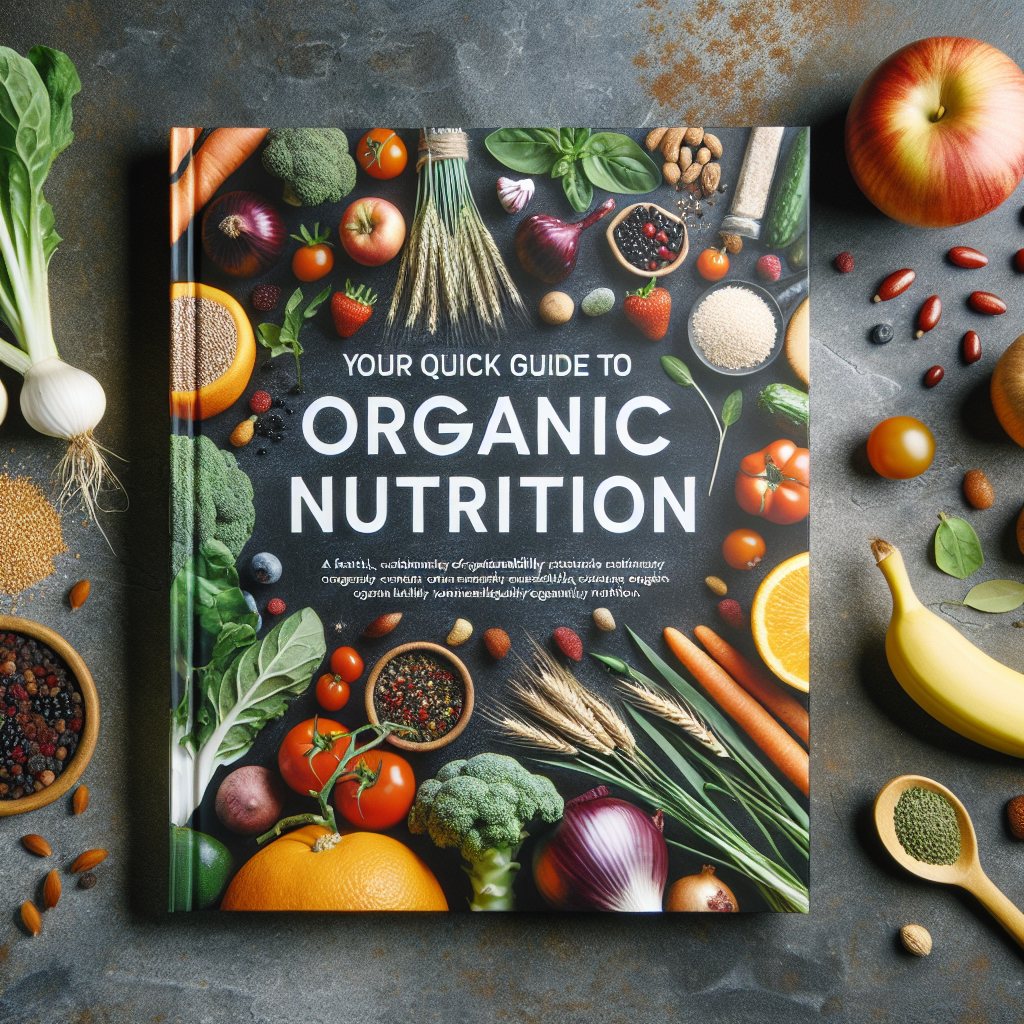
Organic farming effectively reduces environmental toxin levels by utilizing practices that avoid synthetic chemicals. By relying on natural fertilizers and pest control methods, organic farmers help maintain soil health and prevent harmful substances from entering ecosystems. This not only promotes biodiversity but also ensures cleaner water sources and healthier food options.
One of the primary reasons organic farming is beneficial lies in its focus on sustainable practices. Traditional farming methods often lead to soil degradation and water contamination due to the heavy use of chemical inputs. In contrast, organic farming enhances soil fertility through crop rotation, cover cropping, and composting, which can significantly lower the levels of toxins in the environment. Moreover, the reduction in chemical runoff associated with organic practices helps protect aquatic ecosystems and drinking water sources.
Another important aspect to consider is the consumer’s role in this equation. By choosing organic products, consumers can drive demand for sustainable practices, encouraging more farmers to adopt organic methods. This shift not only benefits the environment but also promotes healthier eating habits among the population. However, it’s essential to recognize that the transition to organic farming can be challenging for some farmers due to initial costs and the need for education on organic practices.
The Impact of Chemicals in Conventional Farming
Conventional farming heavily relies on synthetic pesticides and fertilizers, which contribute to high levels of environmental toxins. These chemicals can lead to soil degradation, water pollution, and adverse health effects for both humans and wildlife. Studies have shown that runoff from conventional farms can contaminate nearby waterways, leading to serious ecological consequences.
The presence of heavy metals and persistent organic pollutants in agricultural runoff is a significant concern. These toxins can accumulate in the food chain, posing risks to human health and biodiversity. By reducing or eliminating these harmful inputs, organic farming presents a viable solution to mitigate these risks.
Benefits of Organic Farming Practices
Organic farming offers numerous benefits that contribute to lower environmental toxin levels. One key advantage is the use of crop rotation and intercropping, which enhances soil health and reduces pest outbreaks without chemical intervention. These practices not only improve soil structure but also increase nutrient availability, leading to healthier crops.
Additionally, organic farms often incorporate natural pest management strategies, such as beneficial insects and companion planting. These methods effectively control pests while minimizing chemical exposure. The overall reduction in chemical inputs leads to cleaner ecosystems and healthier food products, which ultimately supports public health.
Consumer Influence on Organic Farming
Consumers play a crucial role in promoting organic farming through their purchasing decisions. By choosing organic products, consumers can support farmers who prioritize sustainable practices. This demand encourages more farmers to transition to organic methods, creating a positive feedback loop that benefits the environment.
Moreover, consumer awareness of the health benefits associated with organic foods can drive further interest in organic farming. As people become more informed about the dangers of chemical exposure, the push for organic products is likely to grow, leading to increased market opportunities for organic farmers.
Challenges in Transitioning to Organic Methods
Despite the clear benefits, transitioning to organic farming can pose challenges for many farmers. Initial costs, including the expenses associated with certification and the potential for lower yields during the transition period, can deter some farmers from adopting organic practices. Education and support systems are essential to help farmers navigate these challenges.
Additionally, ongoing research and development are needed to improve organic farming techniques and address common issues such as pest management and soil fertility. By investing in these areas, the agricultural community can enhance the effectiveness and sustainability of organic farming, ultimately leading to lower environmental toxin levels.
For those interested in exploring the topic of organic farming and its impact on environmental toxins further, consider checking official agricultural resources, studies from environmental organizations, and publications focused on sustainable farming practices.
Frequently Asked Questions
What are the main differences between organic and conventional farming?
Organic farming avoids synthetic pesticides and fertilizers, focusing on natural methods for pest control and soil enrichment, while conventional farming relies heavily on chemical inputs.
How does organic farming benefit the environment?
Organic farming practices enhance soil health, reduce chemical runoff, and promote biodiversity, leading to a healthier environment overall.
Can organic farming completely eliminate environmental toxins?
While organic farming significantly reduces toxin levels, it may not completely eliminate them due to external factors such as pollution from surrounding areas.
Is organic food safer to eat?
Organic food is generally considered safer due to the absence of synthetic chemicals, though it is still important to wash all produce thoroughly.
What challenges do farmers face when transitioning to organic methods?
Farmers may encounter initial costs, lower yields during the transition, and the need for education on organic practices, which can hinder the shift to organic farming.
Conclusion
All in all, organic farming plays a vital role in reducing environmental toxin levels by promoting sustainable practices that minimize chemical inputs. Consumers have the power to influence this transition by supporting organic products, which encourages more farmers to adopt these methods. While challenges exist in the shift to organic farming, the benefits for both the environment and public health are significant. Prioritizing organic options can lead to a healthier planet and population.