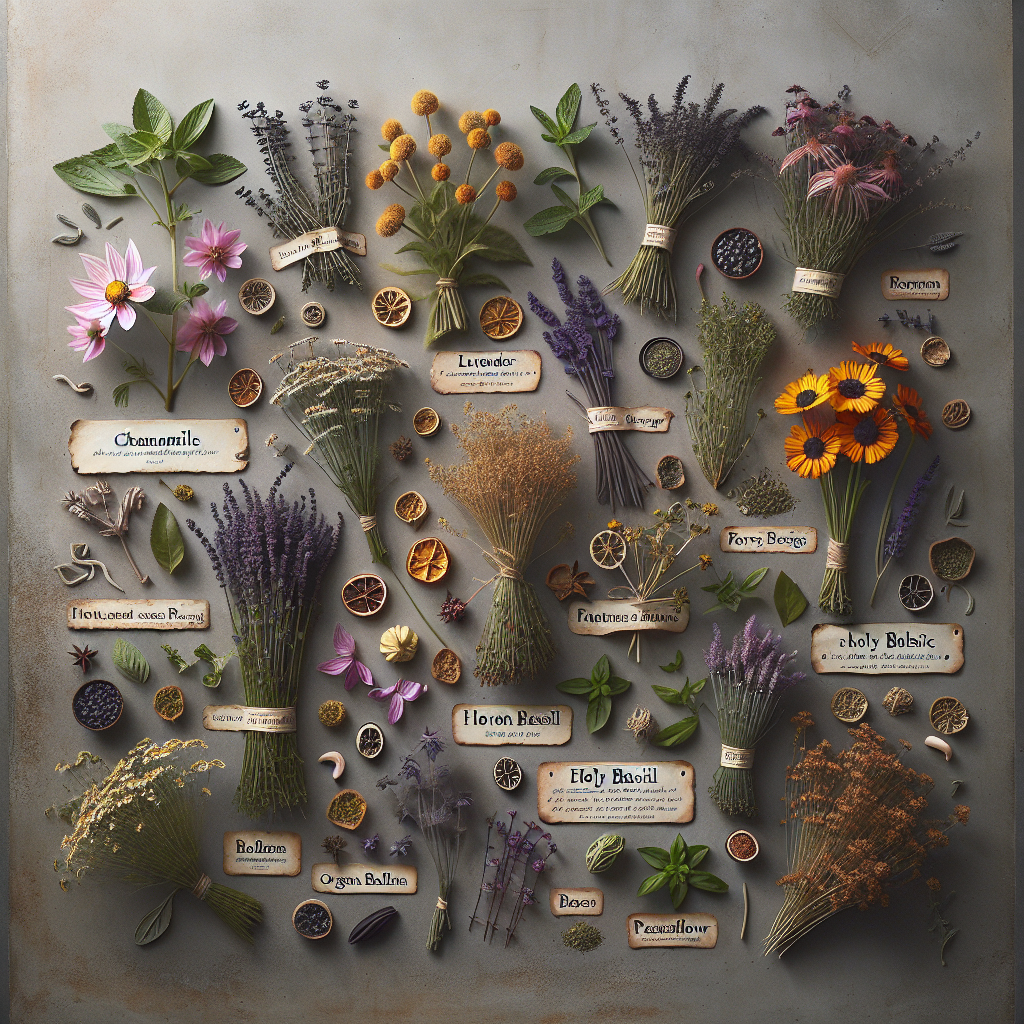
Organic food often has a distinct taste, primarily due to differences in farming practices and the freshness of the produce. Many consumers report that organic fruits and vegetables have richer flavors compared to their conventional counterparts. This can be attributed to the absence of synthetic pesticides and fertilizers, which can alter the natural growth process and flavor profiles of crops.
Beyond farming methods, the perception of taste is influenced by various factors, including individual preferences and psychological associations. For instance, many people may perceive organic food as healthier, which can enhance their overall enjoyment and satisfaction. Additionally, organic produce is often sold closer to harvest time, meaning they may be fresher and more flavorful than conventionally grown options that have been stored for longer periods.
Flavor Profiles: Organic vs. Conventional Foods
When comparing organic and conventional foods, flavor profiles can vary significantly. Organic farming methods often prioritize soil health, biodiversity, and natural pest control, which can lead to more nutrient-dense produce. Studies have shown that organic fruits and vegetables may contain higher levels of certain antioxidants and vitamins, which can contribute to better taste.
However, taste can be subjective. What one person finds flavorful, another might not. It’s important to note that the specific variety of produce, the growing conditions, and the timing of harvest all play crucial roles in flavor. Additionally, some consumers might find that they prefer the taste of certain organic varieties over conventional ones, reinforcing the notion that personal preference heavily impacts perceived taste.
Consumer Perception and Taste
Consumer perception significantly affects how organic food is viewed in terms of taste. Many individuals associate organic products with higher quality and superior flavor, leading to heightened expectations. This psychological aspect can create a bias where consumers believe that organic food tastes better simply because of its label.
Moreover, marketing and branding often play a role in shaping these perceptions. When consumers are aware of the benefits of organic farming, such as reduced pesticide usage and environmental sustainability, they may unconsciously elevate their taste experiences. This phenomenon highlights the importance of context in taste perception and how it can differ from one individual to another.
The Role of Freshness in Taste
Freshness is a critical factor in the taste of organic food. Often, organic produce is sold at farmers’ markets or local grocery stores shortly after harvest, enhancing its flavor. Fresh fruits and vegetables retain more moisture and nutrients, leading to a more vibrant taste.
In contrast, conventional produce is often transported over longer distances and stored for extended periods, which can diminish flavor quality. Consumers seeking the best taste should prioritize purchasing organic items that are locally sourced and in season, as these factors significantly influence overall taste and freshness.
Buying Tips for Flavorful Organic Produce
To maximize flavor when purchasing organic food, consider the following tips:
- Visit local farmers’ markets to find in-season organic produce.
- Choose organic fruits and vegetables that are visually appealing and fragrant.
- Ask farmers about their growing practices to understand how freshness is maintained.
- Experiment with different varieties of the same fruit or vegetable to discover preferred flavors.
By focusing on these strategies, consumers can enhance their organic food experience and enjoy the full range of flavors that these products offer.
Frequently Asked Questions
What factors influence the taste of organic food?
Several factors influence the taste of organic food, including farming practices, soil health, freshness, and individual consumer preferences.
Is organic food always tastier than conventional food?
Not always; taste is subjective and can vary based on the type of produce, growing conditions, and individual preferences.
Why do people believe organic food tastes better?
People often perceive organic food as higher quality due to its association with health benefits and sustainable farming practices, which can enhance their overall taste experience.
How can I ensure I am buying fresh organic produce?
Buy from local farmers’ markets, check for seasonal availability, and choose produce that appears vibrant and aromatic.
Does the variety of produce affect its taste?
Yes, different varieties of the same fruit or vegetable can have distinct flavor profiles, so it’s worth experimenting to find your favorites.
Further Reading
Authoritative Sources
- Consumer perceptions and attitudes of organic food ...
emerald.comTypical responses were: “normally I find that there is a difference in taste. Organic foods have a more natural taste, just like the ones I ...
- Does organic food taste better? A claim substantiation ...
researchgate.netResults have shown that consumers typically perceive organically grown food as being more flavorful than conventional food [26]. Perceived ...
- Does organic food taste better?
medium.comIt is reasonable to believe that organic crops might taste different. One of the major distinctions between growing systems is that organic ...
- Does Organic Food Taste Better?
consensus.appWhile some studies suggest that organic foods may have a superior taste due to the presence of organic acids and consumer perceptions, other ...
Conclusion
In closing, while organic food can taste different, the perception of its flavor is influenced by various factors, including freshness, individual preferences, and farming practices. To truly appreciate the taste of organic produce, consumers should prioritize sourcing locally grown items and experiment with different varieties. Understanding these elements can lead to a more satisfying and flavorful organic food experience.
