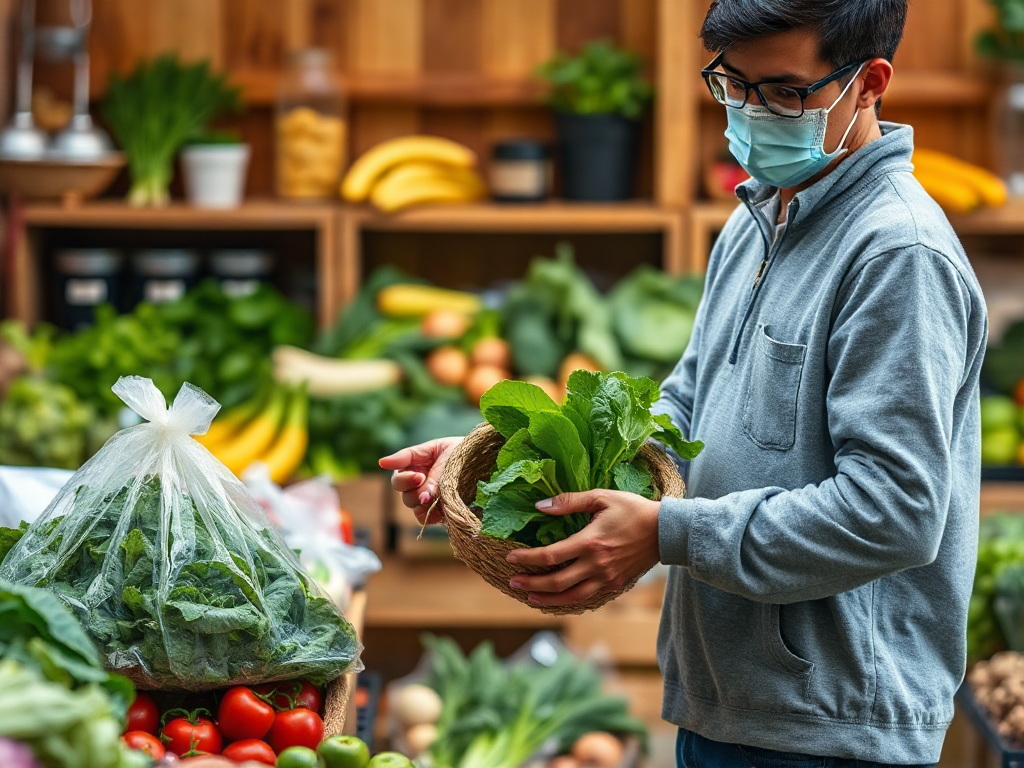
The debate over organic versus sustainably farmed practices centers around their distinct approaches to agriculture, with organic farming prioritizing strict regulations on inputs like synthetic pesticides and fertilizers, while sustainably farmed practices focus on long-term ecological balance and resource conservation. Each method has unique benefits, such as organic farming's commitment to natural inputs supporting soil health, and sustainably farmed methods that often incorporate modern technology for efficiency. Understanding these differences is essential for consumers aiming to make informed choices about their food sources.
Understanding Organic Farming
Organic farming is defined by its adherence to specific standards that prohibit the use of synthetic pesticides, fertilizers, and genetically modified organisms (GMOs). This method emphasizes the use of natural processes and inputs to maintain soil fertility and ecological balance. Organic farmers often rely on crop rotation, cover crops, and composting to enhance soil health and prevent pests naturally. The core philosophy behind organic agriculture is to promote biodiversity, enhance soil quality, and reduce pollution.
One common misconception is that organic farming is synonymous with sustainable farming. While both aim to minimize environmental impact, organic farming is more regulated and focuses on avoiding synthetic inputs. For example, organic certification requires farmers to adhere to strict guidelines, which can limit their flexibility in managing pests and diseases. This focus on natural methods can lead to higher prices for organic products, which consumers might want to consider in their purchasing decisions.
Exploring Sustainable Farming Practices
Sustainable farming encompasses a broader set of practices aimed at meeting current food production needs without compromising the ability of future generations to meet theirs. This includes methods that may utilize some synthetic inputs but focus on efficient resource use and ecological balance. Sustainable farming practices often integrate technology to enhance productivity while reducing waste and environmental damage.
For instance, precision agriculture uses data analysis and technology to optimize planting, watering, and fertilizing, minimizing resource wastage. This approach can lead to higher yields without the significant environmental costs sometimes associated with conventional farming. A common mistake is assuming that sustainable farming lacks the rigor of organic farming; however, many sustainable practices are scientifically backed and aim to balance economic viability with environmental stewardship.
Comparative Benefits of Organic and Sustainable Farming
Both organic and sustainably farmed products offer unique benefits. Organic farming typically results in higher biodiversity within ecosystems, as natural pest controls and crop rotations foster a variety of plant and animal life. This can lead to healthier soil and improved water quality, as organic practices often reduce runoff and contamination.
On the other hand, sustainable farming can achieve higher efficiency and productivity through technology and innovative practices. This can be particularly advantageous in regions facing food security challenges. When comparing the two, it’s crucial to consider the context: what works best in one region may not be as effective in another. Consumers should weigh these factors when deciding which products to purchase.
Consumer Choices and Implications
Understanding the differences between organic and sustainably farmed products is vital for making informed consumer choices. Many consumers may prefer organic products due to perceived health benefits and environmental impacts. However, sustainably farmed products can also be environmentally friendly and support local economies by promoting efficient farming practices.
When shopping, consumers should look for certifications that indicate farming practices. Labels such as USDA Organic guarantee adherence to organic standards, while other certifications may indicate sustainable practices without being strictly organic. It’s essential to evaluate products based on personal values, health considerations, and budget constraints.
Frequently Asked Questions
What is the main difference between organic and sustainably farmed products?
Organic products are grown without synthetic pesticides or fertilizers, while sustainably farmed products may use some synthetic methods but emphasize ecological balance and resource efficiency.
Are organic foods healthier than sustainably farmed foods?
While organic foods are often perceived as healthier due to their natural growing methods, sustainably farmed foods can also be nutritious and environmentally friendly, depending on specific practices used.
Can sustainable farming be environmentally friendly?
Yes, sustainable farming aims to reduce environmental impacts through efficient resource use and practices that promote ecological health, making it a viable option for responsible agriculture.
How can I identify organic versus sustainably farmed products when shopping?
Look for certifications such as USDA Organic for organic products, while sustainably farmed items may carry different labels indicating their practices. Researching brands can also help.
Is organic farming more expensive than sustainable farming?
Organic farming often incurs higher costs due to certification and natural inputs, which can make organic products more expensive than sustainably farmed ones, though it varies by region.
Conclusion
Understanding the debate over organic versus sustainably farmed products is crucial for making informed food choices. Both methods offer distinct benefits that cater to different consumer values and environmental concerns. When shopping, consider certifications and the specific practices behind the products to align your choices with your health priorities and environmental beliefs. Ultimately, whether you choose organic or sustainably farmed foods, supporting practices that promote ecological balance and sustainability is essential for a healthier future.