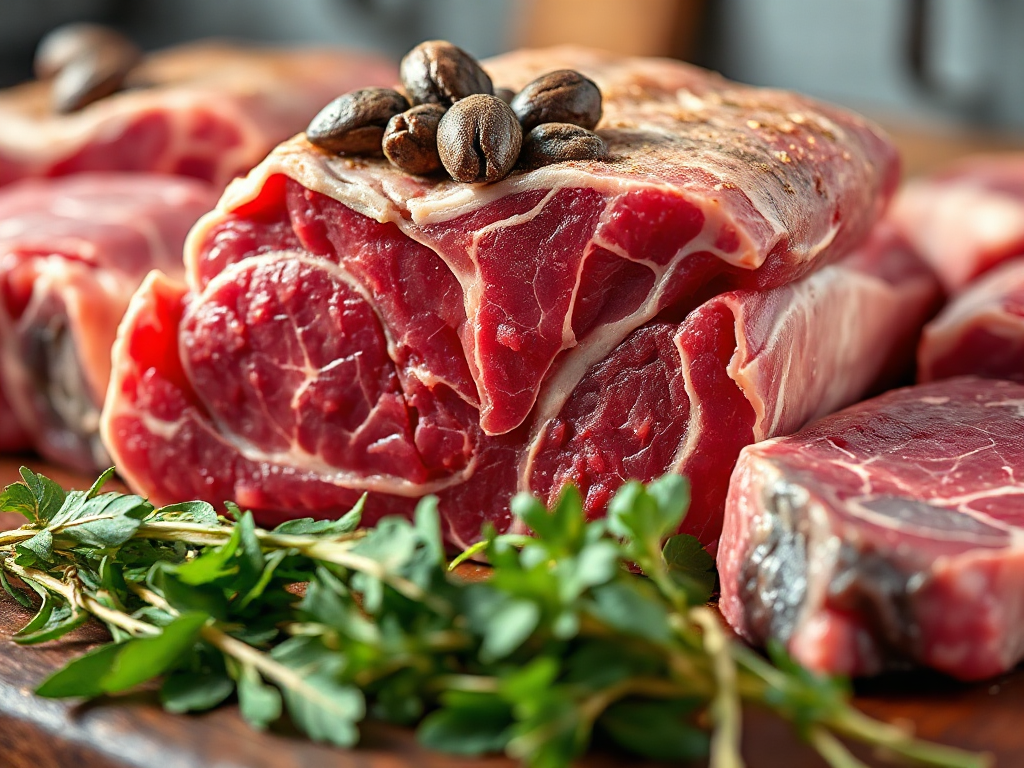
Organic meat can have a somewhat different fat profile, but the difference usually depends more on animal species, breed, cut, diet, and finishing system than on the organic label alone. Grass-based feeding may raise the proportion of omega-3 fatty acids and conjugated linoleic acid in beef or lamb, while producing leaner meat in some systems, yet the overall change is often modest. Organic certification also does not mean a cut is low in saturated fat or calories. Compare nutrition panels, choose leaner cuts when that fits your goals, and treat organic production as a farming and input standard rather than a guarantee of a particular fatty-acid balance.
What Actually Shapes Meat Fat
The fat profile of meat reflects the animal’s biology and production conditions more than the word “organic” by itself. Fat profile includes the total amount of fat, the balance of saturated and unsaturated fatty acids, and smaller amounts of compounds such as omega-3 fats and conjugated linoleic acid. Species, breed, age, activity, diet, and the amount of time spent on pasture can all influence the final result.
Feed is especially relevant for ruminants such as cattle and sheep. Animals consuming substantial forage may produce meat with a different fatty-acid pattern from animals finished primarily on grain, although the size of the difference varies between farms and cuts. A grass-based system may contribute more omega-3 fatty acids and a higher omega-3-to-omega-6 ratio, while grain finishing often supports faster growth and greater marbling. Neither label alone tells you exactly how much of either fat type is present.
Muscle location matters just as much. A trimmed sirloin and a heavily marbled rib-eye from the same animal will not deliver the same amount of total fat. Ground beef can be particularly difficult to judge because it may combine lean and fatty trimmings from multiple cuts. The percentage printed on the package, such as 90% lean, is often more useful for estimating total fat than an organic designation.
A common mistake is treating “different” as synonymous with “healthier.” A food can contain a somewhat more favorable fatty-acid ratio while still being high in total calories or saturated fat. For practical meal planning, assess the entire package: portion size, cut, cooking method, accompanying foods, and how often the meat appears in the diet. The Does organic meat have a different fat profile question is best answered by separating farming claims from measurable nutrition information.
Organic, Grass-Fed, and Conventional Labels Compared
Organic certification and grass-fed production describe different features of farming. Organic standards generally address permitted inputs, livestock management, and feed requirements within the applicable certification system. “Grass-fed” describes the animal’s feeding pattern, but the exact meaning and verification can vary by market and label. Conventional meat may come from animals raised under a wide range of diets and management practices, so it is not a single nutritional category.
For beef, the most relevant comparison is often an organic, grass-based animal versus an organic animal finished on an approved feed program, rather than organic versus conventional in the abstract. If both products come from similar breeds and are harvested at similar stages, the feeding contrast may influence the fat profile. If the animals differ in breed, age, exercise, or finishing duration, those variables can overshadow certification status.
Consider two packages of ground beef. One is organic but relatively fatty, while the other is conventional and labeled 93% lean. The conventional product may provide less total fat per serving despite lacking an organic claim. Conversely, an organic, grass-finished steak may offer a different fatty-acid distribution but still contain substantial saturated fat if it is highly marbled. The label answers a production question; the nutrition panel answers a composition question.
Weak assumptions also arise around poultry and pork. Chickens and pigs are not ruminants, so their fat composition responds to feed ingredients in a different way. Organic feed may alter the available fats, but the result depends on the actual ration and the animal’s genetics. Readers comparing products should look for specific feed or finishing claims rather than assuming every organic item shares the same profile. For broader context, the meat-label comparison should include certification details, lean percentage, serving size, and ingredient information for processed products.
Differences by Animal, Cut, and Cooking Method
Beef and lamb are the clearest examples of production-related fat differences because rumen fermentation changes how dietary fats are transformed before they reach muscle tissue. Grass-based and grain-based systems can therefore produce measurable differences in fatty acids, but those differences are not uniform across every animal. Pork and poultry may show meaningful feed-related changes as well, particularly when the ration includes ingredients rich in particular unsaturated fats, yet the size of the effect depends on the complete diet.
The cut determines what the consumer actually eats. Fat around the outside of a steak can be trimmed, whereas intramuscular fat is distributed through the muscle and contributes to tenderness. A lean beef round, trimmed pork loin, and skinless chicken breast generally provide a different total-fat experience from a rib-eye, pork belly, or chicken thigh with skin. Choosing a cut is therefore a more immediate way to change fat intake than switching from conventional to organic while keeping the same highly marbled cut.
Cooking changes the amount of fat served, but it does not magically convert one type of fat into another in a predictable way. Grilling, broiling, or roasting can allow some rendered fat to drain, especially from ground meat or poultry skin. Pan-frying in added oil can increase the meal’s total fat even when the meat itself is lean. High heat can also create undesirable compounds when meat is heavily charred, so draining fat should not be treated as permission to burn the surface.
A useful household comparison is a grass-based organic burger versus a lean conventional burger. The first may have a distinct fatty-acid balance, but if it contains more total fat and is served with cheese and a large refined-grain bun, the meal may carry more saturated fat and energy. The second may be nutritionally preferable for someone prioritizing lower total fat. Check the package, drain excess fat when appropriate, and compare cooked portions rather than relying on the farming label alone. The fat profile of organic meat makes the most sense when species, cut, preparation, and serving context are considered together.
How to Choose Meat for a More Favorable Fat Balance
Choose the production claim and the cut for separate reasons. If organic farming standards, approved feed, or livestock management matter to you, the certification can guide that purchase. If your immediate goal is to reduce total fat or saturated fat, start with the nutrition panel and cut selection. These goals can overlap, but neither one guarantees the other.
A practical shopping sequence is simple:
- Identify the animal and cut: Compare leaner options such as trimmed loin, round, sirloin, or skinless poultry with more marbled or skin-on choices.
- Read the fat information: Check serving size, total fat, and saturated fat rather than assuming organic means lean.
- Look for the specific production claim: Separate organic certification from grass-fed, grass-finished, pasture-raised, or feed statements.
- Assess the whole meal: Beans, vegetables, whole grains, or unsalted potatoes can change the meal’s fiber and nutrient balance more dramatically than a small difference between similar meat products.
- Use preparation to control the result: Trim visible fat, drain ground meat when suitable, and avoid adding large amounts of butter or high-fat sauces.
Budget creates a legitimate tradeoff. Organic meat may cost more, while a less expensive lean conventional cut may fit a health-focused plan just as well. A consumer who values organic production can buy smaller portions, use meat as one component of a meal, and stretch it with lentils or vegetables rather than choosing the fattiest organic option. Someone focused mainly on fatty-acid intake may instead prioritize fish, nuts, seeds, or plant oils, since changing meat labels has limited reach compared with changing the overall pattern of dietary fat.
Watch for signs that your approach is not working. If the package’s cooked portion is much smaller than the listed serving, if rendered fat is retained in a sauce, or if processed organic sausages replace fresh cuts, the label may be distracting from the actual dietary result. Processed meats can also contain substantial sodium and additives, so organic status does not remove the need to distinguish fresh meat from cured or highly processed products. When a medical condition or prescribed dietary target is involved, use the nutrition facts and advice from a qualified clinician rather than making a health decision from certification language alone.
Frequently Asked Questions
Is organic beef lower in fat?
Not necessarily. Total fat depends strongly on the cut, breed, finishing system, and trimming. An organic rib-eye can contain more fat than a lean conventional round steak.
Does grass-fed meat contain more omega-3?
Grass-based feeding may increase omega-3 content in beef and lamb compared with some grain-finishing systems, but the difference varies and does not make meat equivalent to oily fish.
Does organic meat have less saturated fat?
Organic certification does not guarantee lower saturated fat. Compare the cut and the nutrition facts panel, because marbling and total fat can have a larger practical effect.
Is organic chicken’s fat profile different?
Feed and genetics may influence poultry fat, but organic status alone does not predict a specific fatty-acid balance. Removing the skin generally changes total fat more directly.
What should I check when buying organic meat?
Check the certified-organic claim, animal species, cut, serving size, total fat, saturated fat, and whether the product is fresh or processed. Treat grass-fed or grass-finished claims as separate information.
Conclusion
Organic meat may have a different fat profile, particularly when its feeding system differs from that of comparable conventional meat, but the organic label is not a shortcut to knowing its fat content. Species, breed, forage or grain exposure, marbling, cut, trimming, and cooking usually determine what reaches your plate. Use certification to evaluate production practices, then use the nutrition facts panel to manage total and saturated fat. For a practical purchase, compare similar cuts, favor the leanness that fits your needs, and build the serving around vegetables, beans, whole grains, or other minimally processed foods. If your priority is increasing unsaturated fats, look beyond meat to fish, nuts, seeds, and plant oils rather than expecting a modest label-related difference to reshape the entire diet.