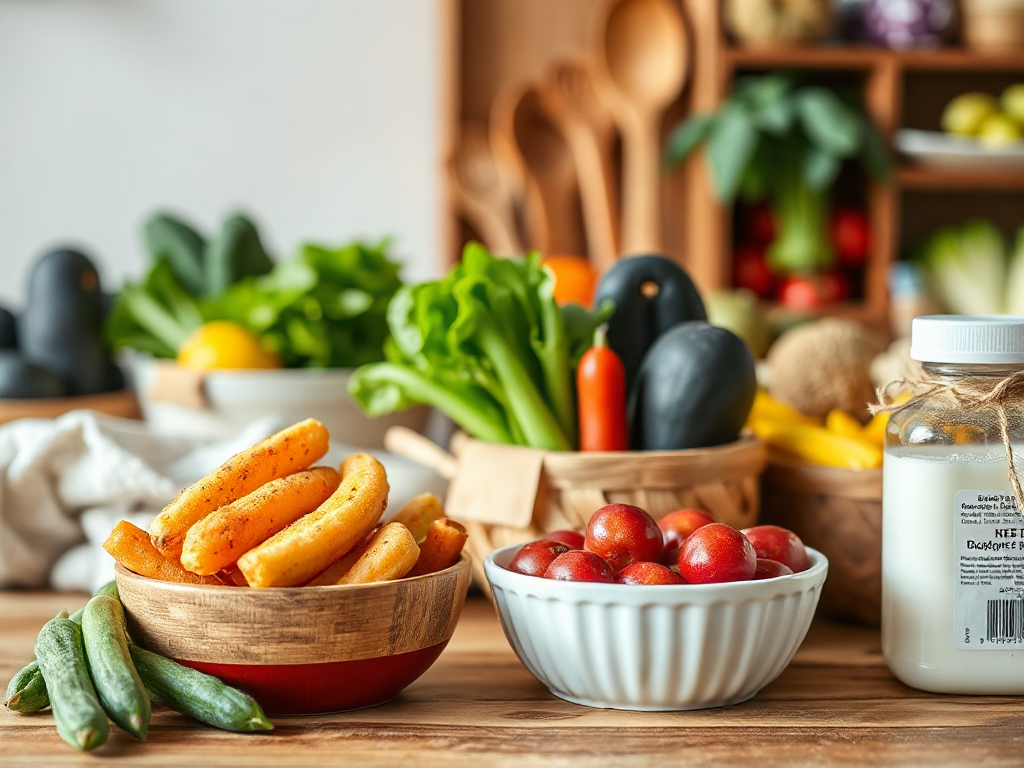
To avoid additives in organic foods, prioritize purchasing products that are certified organic and scrutinize ingredient labels for any hidden additives. Familiarize yourself with common additives such as artificial preservatives and flavor enhancers that may still be present in organic items. Opting for whole foods over processed alternatives is a practical step, as they are less likely to contain unwanted additives. Additionally, visiting local farmers' markets can provide access to fresh, additive-free produce while allowing you to engage directly with growers about their practices. This approach empowers you to make informed choices that align with your health goals.
Understanding Additives in Organic Foods
Additives in organic foods can include preservatives, flavor enhancers, and artificial colors, which may compromise the purity of organic products. Understanding what constitutes an additive is essential for making informed choices. While organic standards limit the types of additives allowed, some may still be present in products labeled as organic. Knowing the common additives and their potential effects helps consumers navigate the organic landscape more effectively.
Many consumers assume that all organic foods are free from additives, but this is not always the case. For instance, organic snacks may contain organic sugar or organic oils, which are still considered additives. Therefore, it’s vital to recognize that while organic products are generally healthier, they can still contain ingredients that some individuals may wish to avoid. This understanding empowers consumers to make choices that align with their dietary preferences.
Reading Labels: What to Look For
Reading labels accurately is crucial when selecting organic foods. A thorough examination of ingredient lists can reveal hidden additives that may not be immediately apparent. Look for certification labels such as the USDA Organic seal, which guarantees that the product meets stringent organic standards.
In addition to the certification, pay close attention to the ingredient list. Familiarize yourself with common additives, such as potassium sorbate or sodium benzoate, which may be included in organic processed foods. If an ingredient name is unfamiliar, do some research to determine its purpose and origin. This diligence can help you avoid unwanted additives in your organic purchases.
Choosing Whole Foods Over Processed Options
Opting for whole foods is one of the most effective strategies to avoid additives in organic foods. Whole foods, such as fresh fruits, vegetables, grains, and legumes, typically contain no additives. By integrating more whole foods into your diet, you can significantly reduce your exposure to unnecessary additives.
Another advantage of consuming whole foods is that they often come with additional nutritional benefits, such as fiber and essential vitamins. For example, choosing whole grains over processed cereals not only limits additives but also enhances your overall nutrient intake. Prioritizing whole foods helps ensure that you are fueling your body with natural, unadulterated ingredients.
The Benefits of Local Produce
Buying local produce is an excellent way to avoid additives in organic foods. Local farmers often have more transparent practices and can provide information about their growing methods. Visiting farmers’ markets allows you to engage directly with producers, ask questions about their practices, and choose fresher options that are less likely to contain additives.
Additionally, local produce is generally harvested at its peak ripeness, leading to better flavor and nutritional value. Supporting local agriculture also contributes to sustainability, reducing the carbon footprint associated with transporting food over long distances. By prioritizing local produce, you not only limit additives but also support your community and the environment.
Frequently Asked Questions
What types of additives are commonly found in organic foods?
Common additives in organic foods include organic sugars, oils, and certain preservatives like potassium sorbate, which are permitted under organic standards.
How can I identify if an organic product contains additives?
Check the ingredient list on the product label; any unfamiliar ingredients may indicate the presence of additives. Look for the USDA Organic seal to ensure compliance with organic standards.
Are organic processed foods always free from additives?
No, organic processed foods can still contain additives, although they are generally limited to those approved for organic production. Always read labels carefully.
What are the benefits of choosing whole foods over processed organic foods?
Whole foods typically have no additives, provide superior nutritional value, and are often fresher than processed options, making them a healthier choice.
How can I support local agriculture while avoiding additives?
Shopping at farmers' markets allows you to buy fresh, local produce and engage with farmers about their growing practices, reducing the likelihood of additives.
Conclusion
To effectively avoid additives in organic foods, prioritize purchasing certified organic products, read labels diligently, and choose whole foods whenever possible. Engaging with local producers not only enhances your understanding of food sources but also supports sustainable practices. By making informed choices, you can enjoy the benefits of organic foods without the concern of unwanted additives.