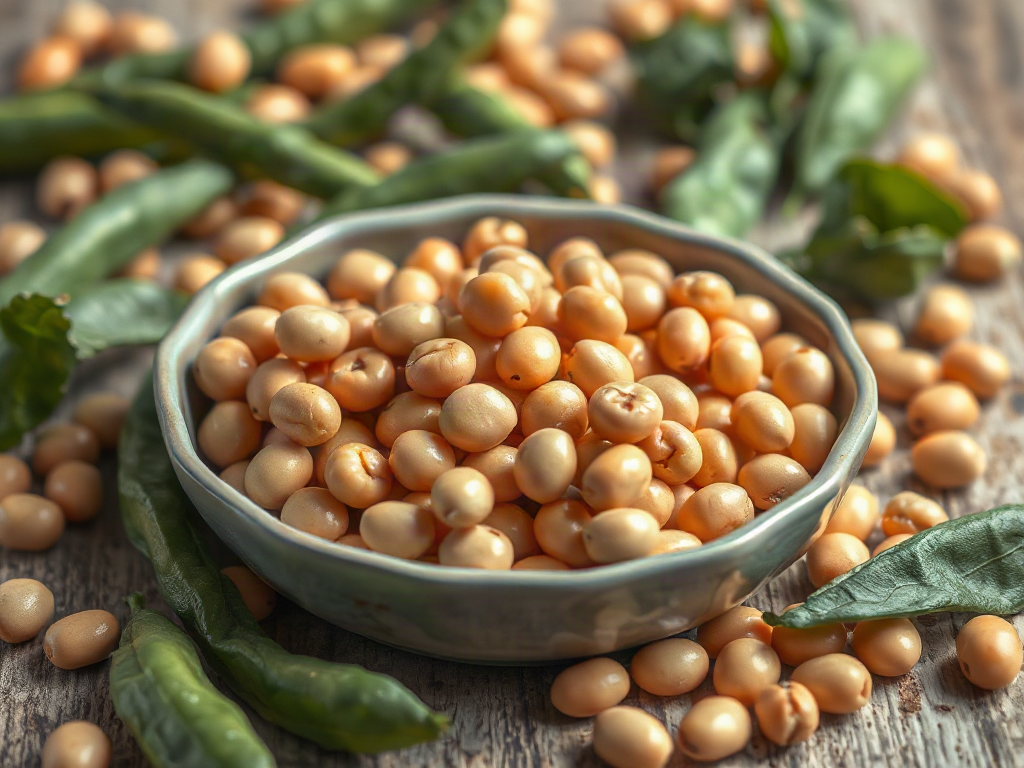
Kidney beans provide plant protein, fiber, folate, iron, potassium, and resistant starch, but dried beans must be prepared with enough heat to deactivate the naturally occurring lectin phytohaemagglutinin. Soak dried kidney beans, discard the soaking water, add fresh water, bring them to a vigorous boil for at least 30 minutes, and then simmer until fully tender. A slow cooker alone may not reach a sufficiently high temperature, so boil the beans first. Canned kidney beans are already cooked and can be drained, rinsed, and heated or added directly to suitable dishes.
What Nutrients Do Kidney Beans Provide?
Cooked kidney beans are a concentrated source of complex carbohydrate, dietary fiber, and plant protein. They also provide folate, iron, magnesium, potassium, phosphorus, and smaller amounts of several other micronutrients. Exact values vary with the bean variety, serving size, cooking liquid, and whether the product is canned with salt, so a nutrition label or food-composition database is more useful than treating one number as universal.
The fiber and starch in kidney beans help explain why they are more filling than many refined carbohydrate foods. Beans retain a structured food matrix that takes time to chew and digest, while some of their starch resists digestion in the small intestine and reaches the colon. This resistant starch and other fermentable carbohydrates can serve as substrates for intestinal microbes. The same fermentation may produce gas, particularly when someone rapidly increases bean intake after eating little fiber.
Kidney beans contribute meaningful protein, but they should not be treated as nutritionally identical to meat, eggs, or dairy. Their protein contains all indispensable amino acids, although the proportions differ from those in many animal foods. Eating beans within a varied diet that includes grains, seeds, nuts, vegetables, or animal foods can provide a broader amino-acid and micronutrient profile. The foods do not need to be combined in one carefully calculated bite or meal for most healthy adults.
Iron in beans is non-heme iron, whose absorption varies with the rest of the meal. Pairing kidney beans with a vitamin C source—such as tomatoes, bell peppers, citrus, or broccoli—may improve absorption. Tea and coffee consumed with the meal can reduce non-heme iron absorption, a detail that may matter more for people with increased iron needs than for someone who eats a varied diet and has no deficiency.
| Nutritional feature | Practical meaning | Meal example |
|---|---|---|
| Fiber and resistant starch | Promote fullness and are fermented by gut microbes | Kidney beans with brown rice and vegetables |
| Plant protein | Adds substance without relying on meat | Bean and vegetable chili |
| Folate | Contributes to normal cell division and blood formation | Kidney bean and leafy-green salad |
| Non-heme iron | Absorption is influenced by the complete meal | Beans with tomatoes and bell peppers |
| Potassium and magnesium | Contribute to normal muscle, nerve, and cellular functions | Bean bowl with roasted vegetables |
A common mistake is assuming that a large bowl is automatically better because beans are nutrient-dense. A sudden high-fiber serving may cause bloating or discomfort. People who do not regularly eat legumes can begin with a smaller portion and increase it gradually while drinking adequate fluid. Anyone following a medically prescribed restriction involving potassium, phosphorus, carbohydrate, or fiber should use individualized guidance rather than relying on a general serving recommendation.
Why Must Dried Kidney Beans Be Cooked Carefully?
Raw and undercooked kidney beans contain phytohaemagglutinin, a lectin that can cause acute gastrointestinal illness. Red kidney beans are especially associated with this hazard, although other beans also contain lectins. Proper high-temperature cooking substantially reduces the activity of the compound; soaking alone, warming, or cooking until the beans are merely less hard does not provide the same protection.
The temperature reached during the early cooking stage matters. A vigorous boil exposes the beans to higher heat than gentle warming in a slow cooker. Some slow cookers may spend a long period at temperatures that soften beans without delivering the initial high heat needed for reliable lectin deactivation. For that reason, dried kidney beans should be boiled on the stovetop before they are transferred to a slow cooker, casserole, soup, or chili.
Visible appearance is an imperfect safety check. A dark red skin, thickened cooking liquid, or pleasant aroma does not prove that the beans received adequate heat. Texture still offers a useful secondary check after the required boil: a finished bean should be creamy and tender through the center rather than crunchy, chalky, or resistant when pressed. Do not taste a partially cooked bean to decide whether it needs more time.
Typical signs of kidney bean lectin illness include nausea, vomiting, abdominal pain, and diarrhea, often beginning within hours of eating inadequately cooked beans. Symptoms can overlap with other foodborne illnesses, so home diagnosis is unreliable. Anyone with severe or persistent symptoms, inability to keep fluids down, signs of dehydration, or concern about a child, older adult, pregnant person, or medically vulnerable person should contact a healthcare professional or poison-control service promptly.
Acidic ingredients create a separate cooking problem. Tomatoes, vinegar, molasses, and similar ingredients can slow softening if added before the beans become tender. That does not make acid a substitute for heat, nor does firmness prove lectin remains after an adequate boil. The practical approach is to complete the vigorous boiling stage, simmer the beans in fresh water until tender, and add acidic or heavily seasoned ingredients afterward.
Do not use raw kidney beans ground into flour unless the product has been commercially heat-treated and is labeled for the intended use. Grinding changes particle size, not the underlying lectin hazard. Sprouting is not a replacement for cooking either. The safest household distinction is straightforward: dried kidney beans require deliberate high-heat preparation, while commercially canned kidney beans have already undergone heat processing.
How to Prepare and Cook Dried Kidney Beans
Safe preparation begins by sorting and rinsing the dry beans. Spread them on a light-colored plate or tray and remove stones, shriveled beans, and other debris, then rinse under cool running water. Use a pot large enough to accommodate substantial expansion and bubbling; an overfilled saucepan can foam over before a strong boil is established.
Soaking improves hydration and usually shortens the later simmering time. Cover the sorted beans with plenty of water and refrigerate them during a long soak, generally overnight. Drain the soaking water and rinse the beans before cooking. Soaking is useful for texture and cooking efficiency, but it does not make raw beans safe to eat and does not replace boiling.
- Sort and rinse: Remove damaged beans and foreign material, then wash the beans thoroughly.
- Soak with ample water: Allow room for the beans to expand, preferably soaking them under refrigeration.
- Drain and add fresh water: Do not use the soaking liquid as the main cooking water.
- Boil vigorously: Bring the uncovered pot to a full, rolling boil and maintain that boil for at least 30 minutes, adding hot water if needed to keep the beans covered.
- Simmer until tender: Reduce the heat only after the vigorous boil, then cook until each bean is soft and creamy throughout.
- Season and store: Add acidic ingredients after softening, serve promptly, and refrigerate leftovers in shallow containers.
Cooking time after the initial boil is variable rather than a dependable fixed number. Older beans may take considerably longer to soften because storage changes how readily their seed coats and cell walls hydrate. Hard water can also delay softening. If beans remain firm, keep them at a steady simmer with enough water and check periodically. Discarding a batch may be more sensible when beans remain stubbornly hard after extended cooking, particularly if their age and storage history are unknown.
A pressure cooker can shorten total cooking time, but model capacity, pressure settings, soaking instructions, and maximum-fill limits differ. Follow the appliance manufacturer’s instructions for dry beans, account for foaming and expansion, and never improvise beyond the marked fill line. If a recipe or appliance manual does not clearly address kidney beans, the conservative option is to perform the stovetop boiling stage before finishing them by another method.
Salt is often blamed for beans that stay hard, but bean age, water chemistry, and acidic ingredients may be more consequential. Salting the cooking water can improve flavor throughout the bean; adding tomato sauce at the beginning is more likely to delay softening. When tenderness is the priority, cook in plain or lightly salted water first, then build the finished sauce.
Signs of success are even tenderness, intact but yielding skins, and no chalky center. Signs of failure include crunchy interiors, a cooking process that never reached a vigorous boil, or use of a slow cooker from the raw state. When the heating history is uncertain, continued gentle warming is not the right correction. Return the beans to a full boil if they have not yet been eaten, or discard them if safe handling cannot be verified.
Canned Versus Dried Kidney Beans: Which Should You Choose?
Canned kidney beans are the practical choice when speed and predictable safety matter most. Commercial canning cooks the beans during processing, so they do not require soaking or a household deactivation boil. Unless a recipe specifically needs the canning liquid, drain and rinse them before use. Rinsing removes some surface sodium and the thick packing liquid, although it does not turn a salted product into a sodium-free food.
Dried beans provide more control over texture, seasoning, and batch size and are often economical when cooked in quantity. Their tradeoff is the need to plan for sorting, soaking, boiling, simmering, cooling, and storage. They are a good fit for someone making a large pot of chili or several freezer portions, but a can may waste less time and energy when only one meal is needed.
Nutrition differences are usually driven more by added salt, serving size, and recipe ingredients than by the basic dried-versus-canned distinction. A canned product with no salt added may suit someone monitoring sodium, while a standard can can still be useful after draining and rinsing. Sweet sauces, fatty meats, and large amounts of cheese can change the meal’s sodium, saturated fat, and energy profile far more than the bean format itself.
Inspect canned beans before opening. Do not use a can that is bulging, leaking, severely rusted, or deeply dented at a seam. After opening, transfer unused beans to a covered food-safe container rather than storing them in the open can. Refrigerate cooked or opened beans promptly; for longer storage, freeze meal-sized portions with enough cooking liquid to limit drying.
Kidney beans work best when the surrounding meal supplies contrast and balance. In chili, combine them with tomatoes, onions, peppers, and spices, but add fully cooked dried beans rather than expecting raw beans to become safe in a slow cooker. For a cold salad, canned beans offer the simplest route: drain, rinse, and mix with chopped bell pepper, herbs, whole grains, and a citrus dressing. For rice and beans, vegetables and a modest portion of rice create a different fiber-to-starch balance than a plate dominated by rice.
Digestive tolerance may improve when portions rise gradually. Rinsing canned beans and discarding dried-bean soaking water may remove some fermentable material, but neither method guarantees freedom from gas. Thorough cooking, smaller initial servings, and regular rather than occasional legume intake are more realistic tools. Persistent pain, marked digestive symptoms, or a medically restricted diet warrants individualized advice rather than repeated experimentation with larger servings.
Conclusion
Kidney beans can add substantial fiber, plant protein, folate, iron, potassium, and satisfying texture to soups, salads, grain bowls, and stews. Preparation method is the non-negotiable distinction: canned beans are ready to use, while dried beans need sorting, soaking, fresh water, a vigorous boil, and enough simmering to become tender throughout. A slow cooker should not be the sole cooking method for raw dried kidney beans.
Choose canned beans for convenience and predictable results; choose dried beans when batch cooking, cost control, or customized texture justifies the additional work. Add acidic ingredients after softening, refrigerate leftovers promptly, and freeze portions that will not be used soon. Start with moderate servings if legumes are new to your diet, and seek individualized nutrition guidance when kidney disease, digestive illness, allergies, or prescribed dietary limits affect whether beans fit your needs.
Frequently Asked Questions
Can kidney beans be cooked directly in a slow cooker?
Dried kidney beans should first receive a vigorous stovetop boil for at least 30 minutes. After that high-heat stage, they may be transferred to a slow cooker to finish softening or join a recipe.
Do canned kidney beans need to be boiled?
No. Commercially canned kidney beans are already cooked. Drain and rinse them if desired, then heat them in a dish or use them cold in an appropriate recipe.
Does soaking make dried kidney beans safe to eat?
No. Soaking hydrates the beans and can shorten cooking, but it does not replace vigorous boiling. Discard the soak water, add fresh water, and complete the high-heat cooking step.
Why are my kidney beans still hard after cooking?
Older beans, hard water, or acidic ingredients added too early can delay softening. Continue simmering in adequate water after the required boil, and add tomatoes or vinegar only when the beans are tender.
Are kidney beans a complete replacement for meat?
They provide protein, fiber, and several minerals but are not nutritionally identical to meat. Use them within a varied diet and consider vitamin B12, iron, zinc, and total protein needs when reducing animal foods.