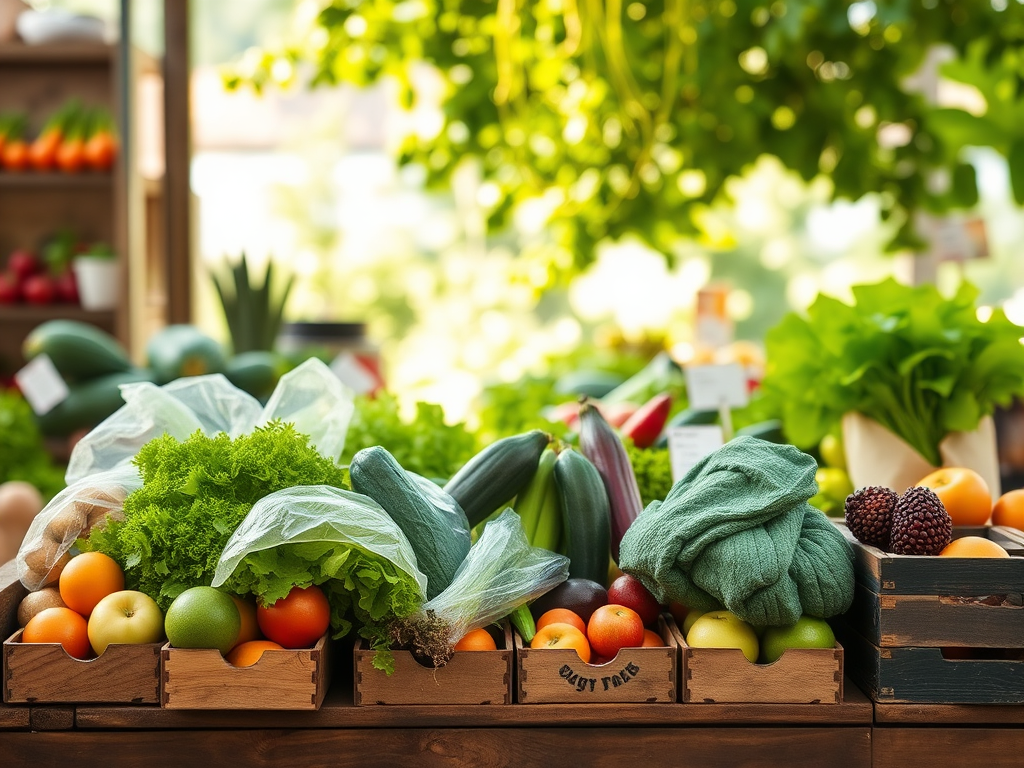
Finding local organic options can be challenging due to limited availability, fluctuating quality, and often higher prices compared to conventional products. To address these issues, consumers should actively seek out local farmers' markets and join community-supported agriculture (CSA) programs, which can provide regular access to fresh organic produce. Building relationships with local farmers not only supports sustainable practices but also fosters trust in the quality of the products. Additionally, utilizing online resources to identify nearby organic farms can enhance your shopping experience and ensure you are sourcing the best local options available.
Understanding the Local Organic Landscape
Local organic options vary widely depending on geographic location, climate, and community interest. In regions where agriculture thrives, consumers often find a rich selection of organic produce, dairy, and meats. Understanding the local landscape involves recognizing the types of organic goods available and the methods used to produce them. This knowledge empowers consumers to make informed choices about where and what to purchase.
For example, urban areas may have farmers’ markets that feature organic produce, while rural areas often have farms that sell directly to consumers. By being aware of these distinctions, shoppers can better navigate their local markets and support sustainable practices.
Common Barriers to Accessing Organic Options
Several barriers can hinder access to local organic options. One major issue is the inconsistency in supply; not all markets offer organic products year-round, leading to gaps in availability. Additionally, the higher cost of organic goods compared to conventional options can deter budget-conscious consumers.
Furthermore, lack of awareness about local sources or mistrust in product labeling can complicate the decision-making process. Consumers may be unsure of where to find trustworthy organic options or may doubt the authenticity of products labeled as organic. Understanding these barriers is essential for developing effective strategies to overcome them.
Effective Strategies for Sourcing Local Organic Products
To effectively source local organic products, consumers can take several proactive steps. One of the best approaches is to utilize online platforms that list farmers’ markets, local farms, and organic retailers. Websites and apps dedicated to connecting consumers with local growers are invaluable resources.
Joining community-supported agriculture (CSA) programs is another excellent way to access fresh, seasonal produce directly from local farms. CSAs often offer a subscription model where members receive a share of the harvest throughout the season, ensuring a steady supply of organic goods.
Additionally, building relationships with local farmers can provide insights into their growing practices and help consumers feel more confident in their purchases. Regular visits to farmers’ markets allow consumers to ask questions, sample products, and establish trust with vendors.
Frequently Asked Questions
What are the benefits of buying local organic products?
Buying local organic products supports local economies, reduces transportation emissions, and often provides fresher produce with higher nutritional value.
How can I find local organic farms in my area?
Online directories, local agricultural organizations, and social media groups often provide listings of organic farms and markets in your area.
Are organic products always more expensive than conventional ones?
While organic products can be more expensive due to higher production costs, prices can vary significantly based on location, season, and availability.
What should I look for when purchasing organic products?
Look for certification labels, freshness, and local sourcing. Asking vendors about their farming practices can also help ensure quality.
Can I grow my own organic food?
Yes, growing your own organic food is a rewarding way to ensure quality and sustainability. Start with easy-to-grow vegetables and herbs in your backyard or on a balcony.
Conclusion
Finding local organic options is a multifaceted challenge that requires awareness of both the local market and the barriers to access. By utilizing online resources, participating in CSA programs, and building relationships with local farmers, consumers can enhance their access to fresh, organic produce. Emphasizing local sourcing not only supports sustainable practices but also fosters a stronger community connection. Taking these steps ensures that organic options are not only available but also integrated into everyday life.
Further Reading
Authoritative Sources
- A Guide to Sourcing Food: Quality Matters
chelseagreen.comMy absolute favorite source for finding fresh, healthy, sustainable foods is our local farmers market. I like to eat a variety of seasonal foods and shopping
- Barriers and Drivers for Local and Organic Food Supplies
campus-fryslan.studenttheses.ub.rug.nlThe research will provide a practical guideline for f&b firms on which factors to take into account when purchasing local and organic food supplies,
- National Guide to Finding Local Food
sustainableagriculture.netThe pandemic has changed the way we shop. Here is a listing of websites, directories and guides throughout the country to help consumers ...
- Local sourcing - FAO Knowledge Repository
openknowledge.fao.orgIt highlights successful ways to source local food products and ingredients, offering examples of international best practice. The guide also contains insights ...