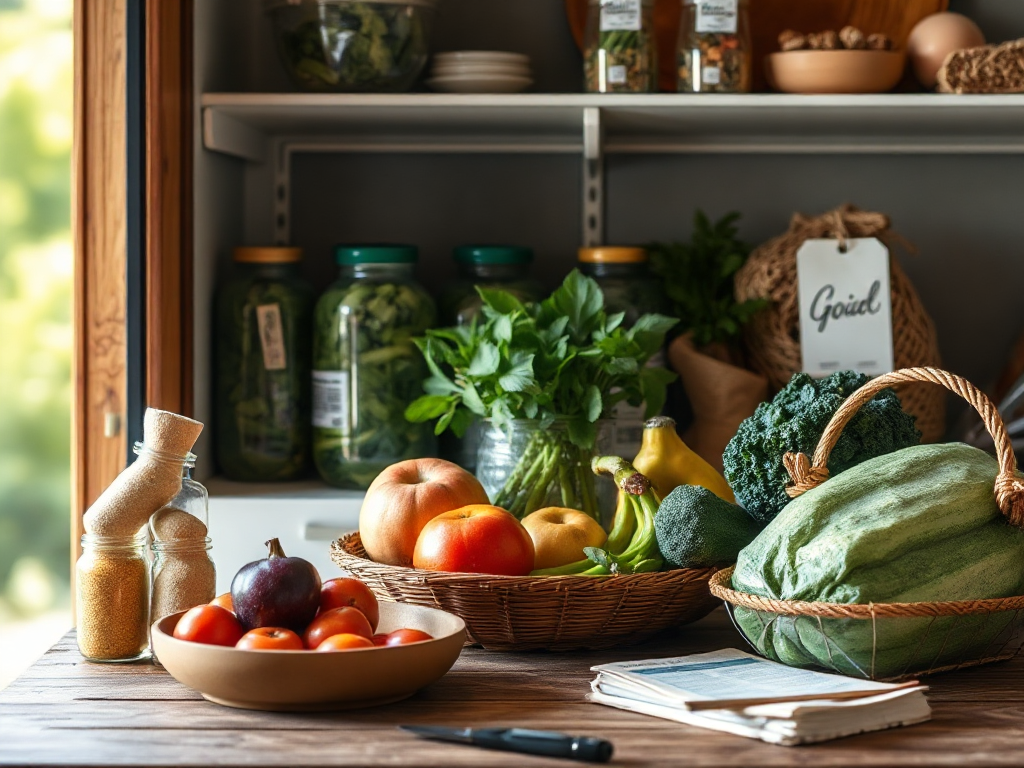
Improper storage practices for organic foods can lead to spoilage, nutrient degradation, and loss of flavor. Common mistakes include failing to maintain appropriate temperatures, such as refrigerating items that should be kept at room temperature, and using inadequate packaging that does not protect against moisture or pests. To enhance the shelf life and quality of organic products, it is crucial to use airtight containers and store them in environments that suit their specific needs. Regularly checking for expiration dates and understanding the unique storage requirements of different organic items can significantly improve their freshness and safety.
Understanding Organic Food Storage Requirements
Organic food storage requires attention to specific conditions to maintain quality and safety. Unlike conventional foods, organic products often lack preservatives, making them more susceptible to spoilage. Factors such as temperature, humidity, and light exposure play crucial roles in determining the longevity of these foods. For instance, leafy greens should be stored in a cool, moist environment, while dry goods like grains and nuts need to be kept in a cool, dry place to prevent rancidity.
Another essential aspect is the choice of storage containers. Glass or BPA-free plastic containers are preferable for organic foods as they do not leach harmful chemicals. Understanding these requirements not only helps in preserving the nutritional value of organic foods but also enhances their taste and texture.
Common Mistakes in Organic Food Storage
Many individuals unknowingly commit common mistakes that compromise the integrity of organic foods. One prevalent error is not storing foods at the correct temperature. For example, many organic fruits and vegetables should not be refrigerated, as cold temperatures can alter their texture and flavor. Instead, they should be stored at room temperature away from direct sunlight.
Another mistake is using improper packaging. Organic foods often come in biodegradable or paper packaging, which may not provide adequate protection against moisture or pests. Failure to transfer these foods into airtight containers can lead to contamination and spoilage. Additionally, neglecting to check expiration dates can result in consuming expired products, which can lead to foodborne illnesses.
Best Practices for Storing Organic Foods
To maximize the shelf life of organic foods, several best practices can be followed. First, always wash hands and surfaces before handling food to minimize the risk of contamination. Secondly, ensure that organic produce is dry before storing it, as excess moisture can promote mold growth.
Utilizing the right containers is also vital. Airtight glass containers are ideal for grains and cereals, while breathable bags are better for fruits and vegetables. It’s also advisable to label containers with purchase dates to track freshness. Regularly rotating older stock to the front of your pantry ensures that items are used before they spoil.
Impact of Poor Storage on Organic Foods
Poor storage practices can have significant consequences for organic foods. Spoilage not only leads to food waste but also diminishes the nutritional benefits that organic foods are known for. For instance, when vegetables lose their crispness due to improper storage, they may also lose essential vitamins and minerals.
Moreover, improper storage can lead to the development of harmful bacteria or mold, posing health risks to consumers. Understanding the impact of these practices emphasizes the importance of proper storage techniques. By adopting better habits, consumers can enjoy fresher, safer organic foods while also contributing to sustainability efforts by reducing waste.
Frequently Asked Questions
What are the best temperatures for storing organic fruits and vegetables?
Organic fruits and vegetables should generally be stored at room temperature, away from direct sunlight, while some items like leafy greens may benefit from refrigeration.
How can I tell if organic food has gone bad?
Signs of spoilage include off smells, discoloration, and slimy textures. Always inspect your organic foods before consumption.
Is it safe to freeze organic food?
Yes, freezing can preserve the quality of organic foods, but ensure they are properly packaged in airtight containers to prevent freezer burn.
What types of containers are best for organic food storage?
Airtight glass or BPA-free plastic containers are ideal for storing organic foods as they prevent contamination and maintain freshness.
How often should I check the expiration dates of my organic foods?
Regularly check expiration dates, ideally once a week, to ensure you consume products while they are still fresh and safe.
Conclusion
Maintaining proper storage practices for organic foods is crucial for preserving their quality, safety, and nutritional value. By understanding the specific requirements of organic products, avoiding common storage mistakes, and implementing best practices, consumers can significantly enhance their organic food experience. Regularly checking for spoilage and using appropriate containers can lead to fresher meals and reduced waste, ultimately supporting a healthier lifestyle and environment.