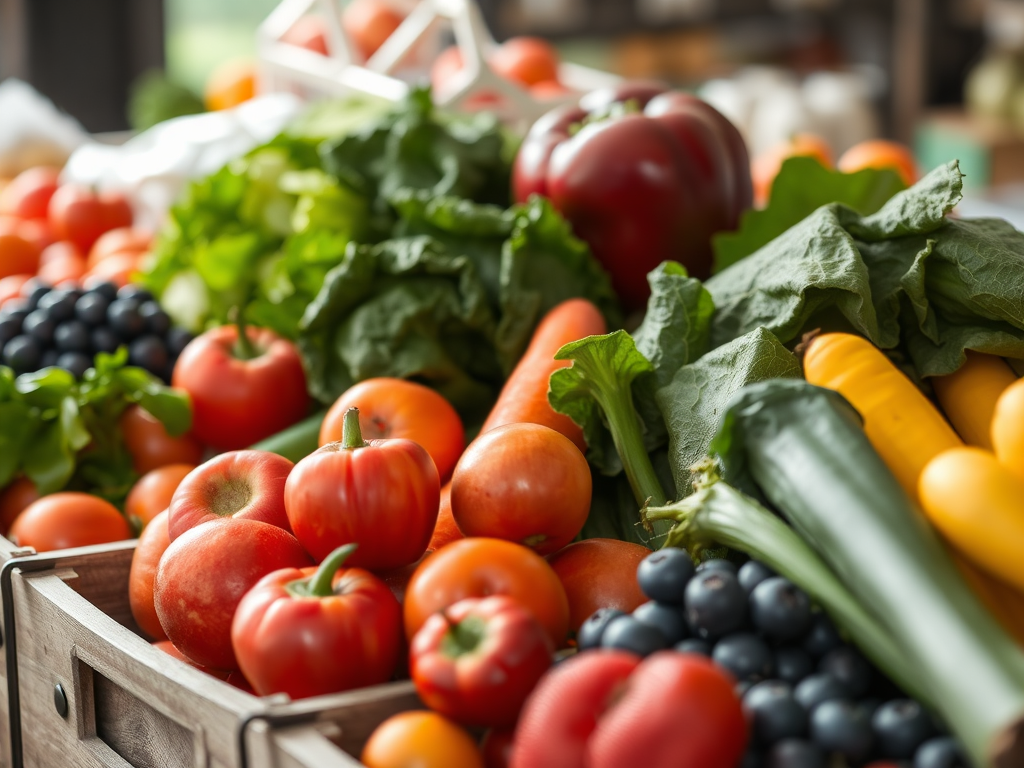
Organic fruits and vegetables can be less consistent in quality due to factors such as farming practices, environmental conditions, and supply chain variations. Unlike conventional produce, organic farming often relies on natural methods, which can lead to fluctuations in taste and appearance. Seasonal changes and regional differences also affect nutritional value and freshness, making it essential for consumers to assess quality based on local sources and seasonal availability.
Understanding Organic Farming Practices
Organic farming practices significantly influence the quality of fruits and vegetables. Unlike conventional agriculture, which often employs synthetic fertilizers and pesticides, organic farming emphasizes natural methods. This reliance on organic inputs can lead to variability in produce quality. For instance, the absence of chemical fertilizers can result in lower yield but may enhance flavor and nutrient density. However, these benefits come with challenges, such as increased susceptibility to pests and diseases, which can compromise the overall quality of the harvest.
Farmers often use crop rotation, cover crops, and composting to maintain soil health and fertility. These practices improve the soil’s microbial activity, which can enhance the nutritional profile of the crops. However, the effectiveness of these methods can vary based on local soil conditions, climate, and farming techniques. As a result, consumers may notice differences in taste, texture, and nutritional content from one organic farm to another.
Understanding Organic Farming Practices matters because it turns organic fruits and vegetables can be less consistent in quality from a broad idea into a decision the reader can actually apply. The practical difference usually shows up in the details: how much is needed, when the choice is made, what tradeoff is acceptable, and what sign shows the approach is working. For nutrition topics, the strongest advice connects portion size, food quality, timing, and recovery instead of treating every meal as a fixed serving.
A useful way to handle this section is to compare the normal baseline with the situation that creates extra demand. If organic is the baseline concern, then quality becomes the adjustment point and farming becomes the outcome to watch. That keeps the advice specific without forcing the reader into a rigid formula that may not fit their routine, budget, tolerance, schedule, or current level of experience.
The most common mistake is changing too many variables at once. A better approach is to choose one measurable adjustment, use it consistently long enough to see a pattern, and then refine the next step based on energy, comfort, performance, safety, or reliability. This makes the guidance easier to trust because the reader can connect the recommendation to what they observe rather than guessing from a generic checklist.
The practical takeaway is to make the section actionable: identify the main constraint, choose the smallest useful change, and compare the result against the goal. When the outcome improves, the reader can keep the approach. When it does not, the next change should target the most likely bottleneck rather than repeating the same step with more effort.
Impact of Environmental Factors
Environmental factors play a crucial role in determining the quality of organic fruits and vegetables. Weather conditions such as temperature, rainfall, and sunlight significantly affect crop growth and development. For instance, a particularly rainy season can lead to waterlogged soils, resulting in root rot and other diseases that can diminish produce quality.
Moreover, seasonal changes can impact the availability and freshness of organic produce. For example, fruits and vegetables grown in the summer months may have a different flavor profile compared to those harvested in the fall. The timing of harvest is also critical; if produce is picked too early or too late, it can affect taste and nutritional value. Organic farmers must carefully monitor these environmental factors to optimize the quality of their crops.
Impact of Environmental Factors matters because it turns organic fruits and vegetables can be less consistent in quality from a broad idea into a decision the reader can actually apply. The practical difference usually shows up in the details: how much is needed, when the choice is made, what tradeoff is acceptable, and what sign shows the approach is working. For nutrition topics, the strongest advice connects portion size, food quality, timing, and recovery instead of treating every meal as a fixed serving.
A useful way to handle this section is to compare the normal baseline with the situation that creates extra demand. If organic is the baseline concern, then quality becomes the adjustment point and fruits becomes the outcome to watch. That keeps the advice specific without forcing the reader into a rigid formula that may not fit their routine, budget, tolerance, schedule, or current level of experience.
The most common mistake is changing too many variables at once. A better approach is to choose one measurable adjustment, use it consistently long enough to see a pattern, and then refine the next step based on energy, comfort, performance, safety, or reliability. This makes the guidance easier to trust because the reader can connect the recommendation to what they observe rather than guessing from a generic checklist.
Supply Chain Challenges for Organic Produce
The supply chain for organic fruits and vegetables can introduce additional variability in quality. Organic produce often travels longer distances compared to conventionally grown items, leading to potential declines in freshness and overall quality. For instance, organic berries may lose their peak flavor and texture during transportation, especially if not handled properly.
Moreover, organic certification processes can create delays in distribution, leading to potential mismatches between consumer demand and availability. Retailers may face challenges in maintaining a consistent supply of high-quality organic products, leading to fluctuations in what is offered to consumers. This inconsistency can make it difficult for shoppers to rely on organic produce for a uniform experience.
Supply Chain Challenges for Organic Produce matters because it turns organic fruits and vegetables can be less consistent in quality from a broad idea into a decision the reader can actually apply. The practical difference usually shows up in the details: how much is needed, when the choice is made, what tradeoff is acceptable, and what sign shows the approach is working. For nutrition topics, the strongest advice connects portion size, food quality, timing, and recovery instead of treating every meal as a fixed serving.
A useful way to handle this section is to compare the normal baseline with the situation that creates extra demand. If organic is the baseline concern, then quality becomes the adjustment point and fruits becomes the outcome to watch. That keeps the advice specific without forcing the reader into a rigid formula that may not fit their routine, budget, tolerance, schedule, or current level of experience.
The most common mistake is changing too many variables at once. A better approach is to choose one measurable adjustment, use it consistently long enough to see a pattern, and then refine the next step based on energy, comfort, performance, safety, or reliability. This makes the guidance easier to trust because the reader can connect the recommendation to what they observe rather than guessing from a generic checklist.
Consumer Tips for Assessing Quality
To navigate the variability in quality of organic fruits and vegetables, consumers can adopt several strategies. First, it’s essential to understand seasonal availability and choose produce that is in season. Seasonal fruits and vegetables are generally fresher and more flavorful, as they are harvested at their peak ripeness.
Additionally, buying from local farmers’ markets can provide access to fresher organic produce. Local vendors often sell items that were harvested recently, reducing the time spent in transit. Consumers should also look for signs of quality, such as vibrant colors, firmness, and a pleasant aroma. These indicators can help determine the freshness and overall quality of the produce.
For those interested in exploring more about the quality of organic fruits and vegetables, consider checking reputable sources such as the USDA’s guidelines on organic farming practices or local agricultural extension services that provide insights into seasonal produce.
Consumer Tips for Assessing Quality matters because it turns organic fruits and vegetables can be less consistent in quality from a broad idea into a decision the reader can actually apply. The practical difference usually shows up in the details: how much is needed, when the choice is made, what tradeoff is acceptable, and what sign shows the approach is working. For nutrition topics, the strongest advice connects portion size, food quality, timing, and recovery instead of treating every meal as a fixed serving.
A useful way to handle this section is to compare the normal baseline with the situation that creates extra demand. If quality is the baseline concern, then organic becomes the adjustment point and fruits becomes the outcome to watch. That keeps the advice specific without forcing the reader into a rigid formula that may not fit their routine, budget, tolerance, schedule, or current level of experience.
Frequently Asked Questions
Why are organic fruits and vegetables sometimes less flavorful?
Flavor variability in organic produce can arise from differences in farming practices, soil health, and environmental conditions that influence crop growth.
How can I tell if organic produce is fresh?
Fresh organic produce typically has vibrant colors, firm texture, and a pleasant aroma. Checking for blemishes or signs of decay can also help assess freshness.
Does organic produce have more nutrients than conventional produce?
While some studies suggest organic produce may have higher nutrient levels, results can vary widely. Factors such as soil quality and farming methods play significant roles.
Are there specific seasons when organic produce is best?
Yes, organic produce is often best when harvested in its natural growing season. Seasonal fruits and vegetables are typically fresher and more flavorful.
What should I consider when buying organic produce?
When buying organic produce, consider factors such as local sourcing, seasonal availability, and the appearance of the items to ensure quality.
Conclusion
Quality variability in organic fruits and vegetables stems from diverse farming practices, environmental factors, and supply chain challenges. To ensure the best quality, consumers should prioritize seasonal and local options, assess freshness through visual and sensory indicators, and stay informed about organic farming methods. By doing so, they can enjoy the benefits of organic produce while minimizing the inconsistencies that can arise.