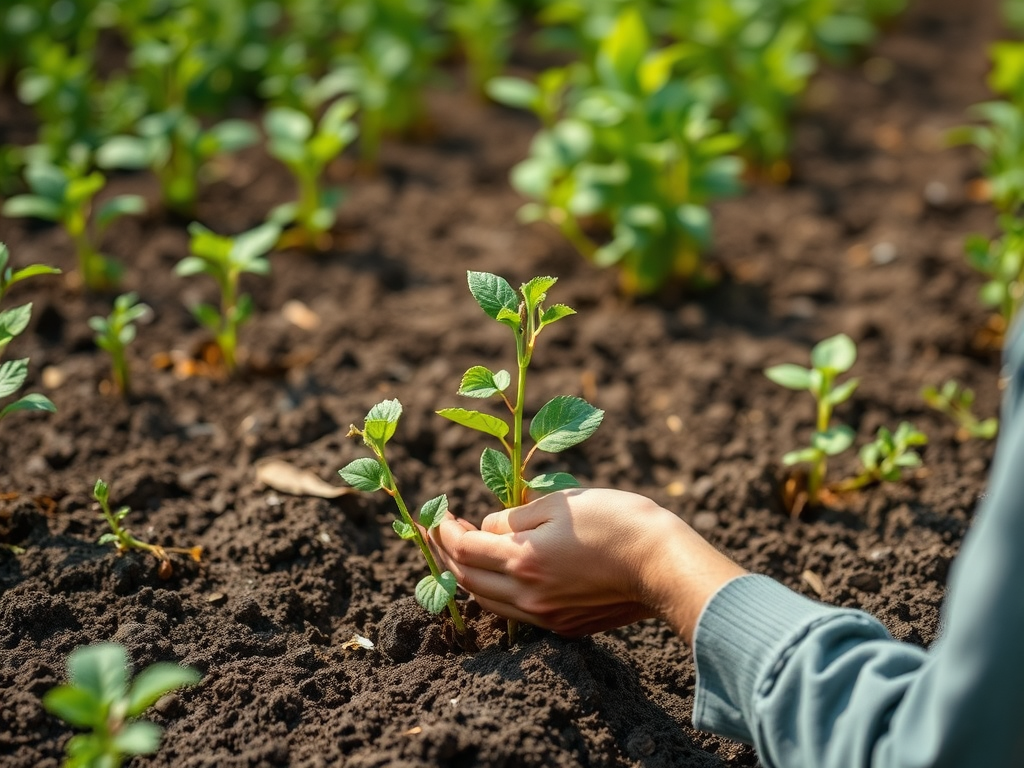
Soil health is crucial for organic food quality as it directly influences nutrient availability, microbial activity, and plant health. Healthy soil supports beneficial microorganisms that enhance nutrient uptake, leading to more nutrient-dense crops. Additionally, practices like crop rotation, cover cropping, and organic amendments can improve soil structure and fertility, ultimately contributing to higher-quality organic produce. Neglecting soil health can result in lower yields and reduced nutritional value in food products.
Understanding Soil Health
Soil health refers to the condition of soil and its ability to function as a living ecosystem that sustains plants, animals, and humans. It is characterized by physical, chemical, and biological properties that support plant growth and ecological balance. Healthy soil contains a diverse community of microorganisms, including bacteria, fungi, and earthworms, all of which play a vital role in nutrient cycling and soil structure maintenance.
One of the main indicators of soil health is its organic matter content, which enhances soil structure and water retention. Soils rich in organic matter can better support plant roots and provide essential nutrients. Additionally, healthy soils are less prone to erosion and can better withstand extreme weather conditions, making them more resilient in the face of climate change.
Understanding Soil Health matters because it turns the role of soil health in organic food quality from a broad idea into a decision the reader can actually apply. The practical difference usually shows up in the details: how much is needed, when the choice is made, what tradeoff is acceptable, and what sign shows the approach is working. For nutrition topics, the strongest advice connects portion size, food quality, timing, and recovery instead of treating every meal as a fixed serving.
A useful way to handle this section is to compare the normal baseline with the situation that creates extra demand. If soil is the baseline concern, then health becomes the adjustment point and organic becomes the outcome to watch. That keeps the advice specific without forcing the reader into a rigid formula that may not fit their routine, budget, tolerance, schedule, or current level of experience.
The most common mistake is changing too many variables at once. A better approach is to choose one measurable adjustment, use it consistently long enough to see a pattern, and then refine the next step based on energy, comfort, performance, safety, or reliability. This makes the guidance easier to trust because the reader can connect the recommendation to what they observe rather than guessing from a generic checklist.
The practical takeaway is to make the section actionable: identify the main constraint, choose the smallest useful change, and compare the result against the goal. When the outcome improves, the reader can keep the approach. When it does not, the next change should target the most likely bottleneck rather than repeating the same step with more effort.
Impact of Soil Health on Nutrient Content
The role of soil health in organic food quality is closely linked to the nutrient content of crops. Healthy soils promote a balanced nutrient profile, which is essential for producing high-quality organic foods. Nutrients such as nitrogen, phosphorus, and potassium are vital for plant growth and are often derived from organic matter and microbial activity in the soil.
Research indicates that crops grown in healthy soils tend to have higher levels of vitamins, minerals, and antioxidants. For example, studies have shown that tomatoes grown in well-managed organic soils contain significantly higher levels of vitamin C compared to those grown in conventional systems. This is largely due to the enhanced microbial activity in healthy soils, which increases nutrient availability for plants.
Impact of Soil Health on Nutrient Content matters because it turns the role of soil health in organic food quality from a broad idea into a decision the reader can actually apply. The practical difference usually shows up in the details: how much is needed, when the choice is made, what tradeoff is acceptable, and what sign shows the approach is working. For nutrition topics, the strongest advice connects portion size, food quality, timing, and recovery instead of treating every meal as a fixed serving.
A useful way to handle this section is to compare the normal baseline with the situation that creates extra demand. If organic is the baseline concern, then soil becomes the adjustment point and health becomes the outcome to watch. That keeps the advice specific without forcing the reader into a rigid formula that may not fit their routine, budget, tolerance, schedule, or current level of experience.
The most common mistake is changing too many variables at once. A better approach is to choose one measurable adjustment, use it consistently long enough to see a pattern, and then refine the next step based on energy, comfort, performance, safety, or reliability. This makes the guidance easier to trust because the reader can connect the recommendation to what they observe rather than guessing from a generic checklist.
Practices for Maintaining Soil Health
Maintaining soil health is essential for ensuring the quality of organic food. Several practices can be implemented to enhance and sustain soil health over time. These include:
- Crop Rotation: Rotating different crops each season helps break pest and disease cycles, improves soil structure, and enhances nutrient diversity.
- Cover Cropping: Planting cover crops during off-seasons protects soil from erosion, improves organic matter, and enhances soil fertility.
- Organic Amendments: Adding compost, manure, or other organic materials helps improve soil structure, nutrient content, and microbial diversity.
- Reduced Tillage: Minimizing tillage preserves soil structure and promotes the habitat for beneficial microorganisms.
Implementing these practices not only improves soil health but also contributes to the overall quality of organic food produced.
Practices for Maintaining Soil Health matters because it turns the role of soil health in organic food quality from a broad idea into a decision the reader can actually apply. The practical difference usually shows up in the details: how much is needed, when the choice is made, what tradeoff is acceptable, and what sign shows the approach is working. For nutrition topics, the strongest advice connects portion size, food quality, timing, and recovery instead of treating every meal as a fixed serving.
A useful way to handle this section is to compare the normal baseline with the situation that creates extra demand. If soil is the baseline concern, then organic becomes the adjustment point and health becomes the outcome to watch. That keeps the advice specific without forcing the reader into a rigid formula that may not fit their routine, budget, tolerance, schedule, or current level of experience.
The most common mistake is changing too many variables at once. A better approach is to choose one measurable adjustment, use it consistently long enough to see a pattern, and then refine the next step based on energy, comfort, performance, safety, or reliability. This makes the guidance easier to trust because the reader can connect the recommendation to what they observe rather than guessing from a generic checklist.
Common Mistakes in Soil Management
Despite the clear benefits of maintaining soil health, many organic farmers make common mistakes that can adversely impact soil quality and, consequently, food quality. One prevalent issue is the over-reliance on synthetic fertilizers, which can degrade soil health over time and disrupt the natural balance of soil microorganisms.
Another mistake is neglecting soil testing. Regular soil testing helps identify nutrient deficiencies and pH imbalances, allowing farmers to make informed decisions regarding soil amendments. Additionally, failing to incorporate organic matter can lead to diminished soil fertility and structure, negatively affecting crop yields and food quality.
Awareness of these common pitfalls can help organic farmers implement more effective soil management strategies, ensuring the production of high-quality organic food.
Common Mistakes in Soil Management matters because it turns the role of soil health in organic food quality from a broad idea into a decision the reader can actually apply. The practical difference usually shows up in the details: how much is needed, when the choice is made, what tradeoff is acceptable, and what sign shows the approach is working. For nutrition topics, the strongest advice connects portion size, food quality, timing, and recovery instead of treating every meal as a fixed serving.
A useful way to handle this section is to compare the normal baseline with the situation that creates extra demand. If soil is the baseline concern, then organic becomes the adjustment point and food becomes the outcome to watch. That keeps the advice specific without forcing the reader into a rigid formula that may not fit their routine, budget, tolerance, schedule, or current level of experience.
The most common mistake is changing too many variables at once. A better approach is to choose one measurable adjustment, use it consistently long enough to see a pattern, and then refine the next step based on energy, comfort, performance, safety, or reliability. This makes the guidance easier to trust because the reader can connect the recommendation to what they observe rather than guessing from a generic checklist.
Frequently Asked Questions
What is soil health?
Soil health refers to the condition of soil as a living ecosystem capable of supporting plant growth and maintaining ecological balance.
How does soil health affect organic food quality?
Healthy soil promotes nutrient availability and microbial activity, leading to higher nutrient content in organic foods.
What practices improve soil health?
Practices such as crop rotation, cover cropping, organic amendments, and reduced tillage help maintain and enhance soil health.
What are common mistakes in soil management?
Common mistakes include over-reliance on synthetic fertilizers, neglecting soil testing, and failing to incorporate organic matter.
Why is organic matter important for soil health?
Organic matter improves soil structure, nutrient content, and microbial diversity, all of which are essential for healthy soil and crops.
Conclusion
Soil health plays a fundamental role in the quality of organic food by influencing nutrient availability, microbial activity, and overall plant health. By implementing practices such as crop rotation, cover cropping, and regular soil testing, organic farmers can enhance soil health and, consequently, the quality of their produce. Avoiding common mistakes in soil management is crucial for achieving sustainable farming practices that benefit both the environment and consumers. Prioritizing soil health not only leads to better yields but also contributes to the nutritional value of the food we consume.