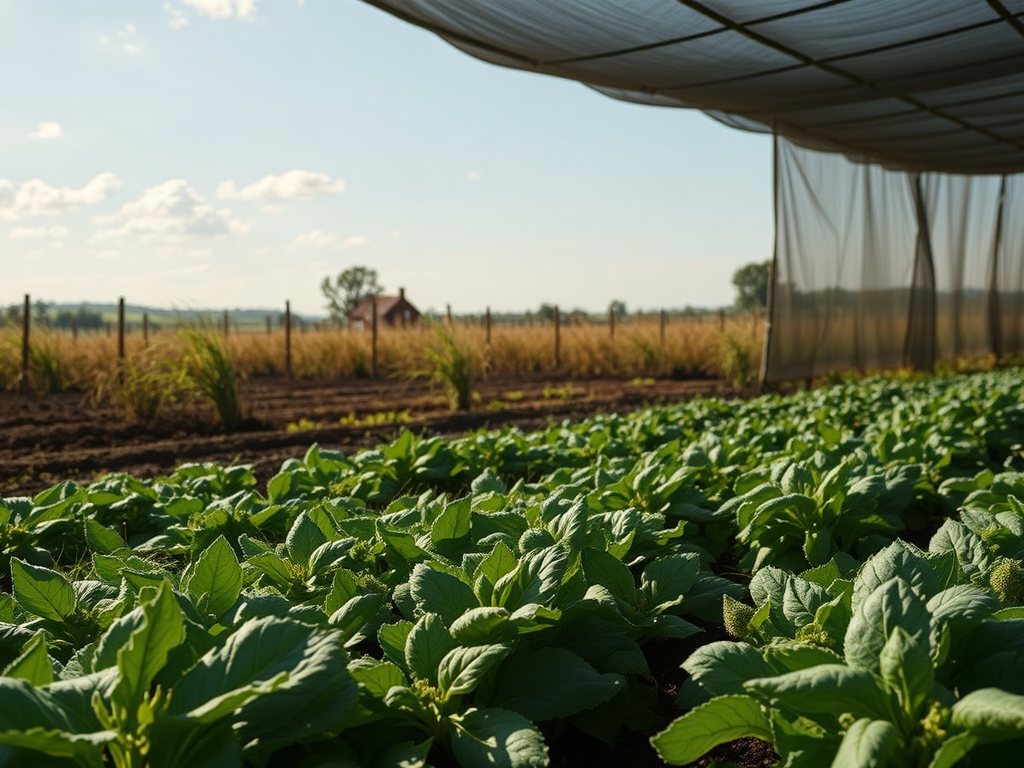
The effects of organic farming on local ecosystems are significant, promoting biodiversity, enhancing soil health, and reducing pollution. Organic practices lead to healthier ecosystems by using natural pest control and organic fertilizers, which minimize chemical runoff. However, challenges include lower yields compared to conventional farming and the need for careful management of organic inputs. Ultimately, the transition to organic farming can yield substantial environmental benefits if approached thoughtfully.
Understanding Organic Farming Practices
Organic farming practices are designed to work in harmony with nature, utilizing methods such as crop rotation, green manures, and composting. This approach fosters a sustainable agricultural system that prioritizes ecosystem health. Unlike conventional farming, which often relies on synthetic fertilizers and pesticides, organic farming promotes the use of natural inputs and biodiversity, creating a more resilient agricultural environment. Understanding these practices is crucial for assessing their impact on local ecosystems.
Organic farming’s focus on ecological balance helps prevent soil degradation and promotes healthier food systems. Farmers often implement integrated pest management (IPM) strategies, which emphasize natural pest control methods, reducing reliance on harmful chemicals. This approach not only benefits farmers by lowering input costs but also contributes to the overall health of local wildlife.
Understanding Organic Farming Practices matters because it turns the effects of organic farming on local ecosystems from a broad idea into a decision the reader can actually apply. The practical difference usually shows up in the details: how much is needed, when the choice is made, what tradeoff is acceptable, and what sign shows the approach is working. For nutrition topics, the strongest advice connects portion size, food quality, timing, and recovery instead of treating every meal as a fixed serving.
A useful way to handle this section is to compare the normal baseline with the situation that creates extra demand. If farming is the baseline concern, then organic becomes the adjustment point and local becomes the outcome to watch. That keeps the advice specific without forcing the reader into a rigid formula that may not fit their routine, budget, tolerance, schedule, or current level of experience.
The most common mistake is changing too many variables at once. A better approach is to choose one measurable adjustment, use it consistently long enough to see a pattern, and then refine the next step based on energy, comfort, performance, safety, or reliability. This makes the guidance easier to trust because the reader can connect the recommendation to what they observe rather than guessing from a generic checklist.
The practical takeaway is to make the section actionable: identify the main constraint, choose the smallest useful change, and compare the result against the goal. When the outcome improves, the reader can keep the approach. When it does not, the next change should target the most likely bottleneck rather than repeating the same step with more effort.
Biodiversity and Ecosystem Health
One of the most significant effects of organic farming on local ecosystems is the enhancement of biodiversity. Organic farms tend to support a wider variety of plants, insects, and animals compared to conventional farms. This increased biodiversity leads to healthier ecosystems, as diverse species can better withstand environmental changes and pests.
Research has shown that organic farms often serve as refuges for pollinators and other beneficial organisms. For instance, the presence of flowering plants and diverse habitats within organic farms creates ideal conditions for bees and other pollinators, which are critical for food production. Additionally, these farms can help restore native plant species and provide habitats for wildlife, contributing to the overall ecological balance.
Biodiversity and Ecosystem Health matters because it turns the effects of organic farming on local ecosystems from a broad idea into a decision the reader can actually apply. The practical difference usually shows up in the details: how much is needed, when the choice is made, what tradeoff is acceptable, and what sign shows the approach is working. For nutrition topics, the strongest advice connects portion size, food quality, timing, and recovery instead of treating every meal as a fixed serving.
A useful way to handle this section is to compare the normal baseline with the situation that creates extra demand. If organic is the baseline concern, then farms becomes the adjustment point and ecosystems becomes the outcome to watch. That keeps the advice specific without forcing the reader into a rigid formula that may not fit their routine, budget, tolerance, schedule, or current level of experience.
The most common mistake is changing too many variables at once. A better approach is to choose one measurable adjustment, use it consistently long enough to see a pattern, and then refine the next step based on energy, comfort, performance, safety, or reliability. This makes the guidance easier to trust because the reader can connect the recommendation to what they observe rather than guessing from a generic checklist.
The practical takeaway is to make the section actionable: identify the main constraint, choose the smallest useful change, and compare the result against the goal. When the outcome improves, the reader can keep the approach. When it does not, the next change should target the most likely bottleneck rather than repeating the same step with more effort.
Soil Health and Fertility
Soil health is a cornerstone of organic farming, with practices aimed at improving soil fertility and structure. Organic methods enhance the organic matter content of the soil through composting and the use of cover crops. This not only enriches the soil but also promotes microbial activity, which is essential for nutrient cycling and plant health.
Healthy soils contribute to sustainable water management by improving infiltration and reducing runoff. This is particularly important in areas prone to erosion or flooding. Moreover, organic farming practices can help sequester carbon in the soil, mitigating climate change impacts. Farmers who prioritize soil health often find that their crops are more resilient to drought and disease, further supporting local ecosystems.
Soil Health and Fertility matters because it turns the effects of organic farming on local ecosystems from a broad idea into a decision the reader can actually apply. The practical difference usually shows up in the details: how much is needed, when the choice is made, what tradeoff is acceptable, and what sign shows the approach is working. For nutrition topics, the strongest advice connects portion size, food quality, timing, and recovery instead of treating every meal as a fixed serving.
A useful way to handle this section is to compare the normal baseline with the situation that creates extra demand. If soil is the baseline concern, then organic becomes the adjustment point and farming becomes the outcome to watch. That keeps the advice specific without forcing the reader into a rigid formula that may not fit their routine, budget, tolerance, schedule, or current level of experience.
The most common mistake is changing too many variables at once. A better approach is to choose one measurable adjustment, use it consistently long enough to see a pattern, and then refine the next step based on energy, comfort, performance, safety, or reliability. This makes the guidance easier to trust because the reader can connect the recommendation to what they observe rather than guessing from a generic checklist.
Challenges and Limitations of Organic Farming
Despite its benefits, organic farming faces several challenges that can impact local ecosystems. One major concern is the lower yield potential compared to conventional farming methods, especially in the initial years of transition. Farmers may struggle to meet market demand while adhering to organic practices, leading to economic pressures.
Additionally, organic farming requires careful management of inputs. For instance, while organic fertilizers are beneficial, their overuse can lead to nutrient runoff, which can harm local waterways. Farmers must balance organic practices with environmental stewardship to minimize negative impacts. Education and support for organic farmers are essential to address these challenges and maximize the ecological benefits of organic farming.
Challenges and Limitations of Organic Farming matters because it turns the effects of organic farming on local ecosystems from a broad idea into a decision the reader can actually apply. The practical difference usually shows up in the details: how much is needed, when the choice is made, what tradeoff is acceptable, and what sign shows the approach is working. For nutrition topics, the strongest advice connects portion size, food quality, timing, and recovery instead of treating every meal as a fixed serving.
A useful way to handle this section is to compare the normal baseline with the situation that creates extra demand. If organic is the baseline concern, then farming becomes the adjustment point and local becomes the outcome to watch. That keeps the advice specific without forcing the reader into a rigid formula that may not fit their routine, budget, tolerance, schedule, or current level of experience.
The most common mistake is changing too many variables at once. A better approach is to choose one measurable adjustment, use it consistently long enough to see a pattern, and then refine the next step based on energy, comfort, performance, safety, or reliability. This makes the guidance easier to trust because the reader can connect the recommendation to what they observe rather than guessing from a generic checklist.
Conclusion
Organic farming has profound effects on local ecosystems, fostering biodiversity, enhancing soil health, and promoting sustainable agricultural practices. While challenges exist, such as lower yields and the need for careful management, the benefits of organic farming in terms of environmental health are significant. By prioritizing organic methods, farmers can contribute to healthier ecosystems and a more sustainable future for agriculture.
Frequently Asked Questions
What are the primary benefits of organic farming on ecosystems?
Organic farming enhances biodiversity, improves soil health, and reduces chemical runoff, leading to healthier ecosystems.
How does organic farming affect soil quality?
Organic farming improves soil quality by increasing organic matter, promoting microbial activity, and enhancing nutrient cycling.
What challenges do organic farmers face?
Challenges include lower yields compared to conventional farming, economic pressures, and the need for careful management of organic inputs.
How does organic farming support biodiversity?
Organic farming supports biodiversity by providing habitats for various species and promoting diverse plant and animal life.
Can organic farming help combat climate change?
Yes, organic farming can help combat climate change by sequestering carbon in the soil and promoting sustainable land use practices.