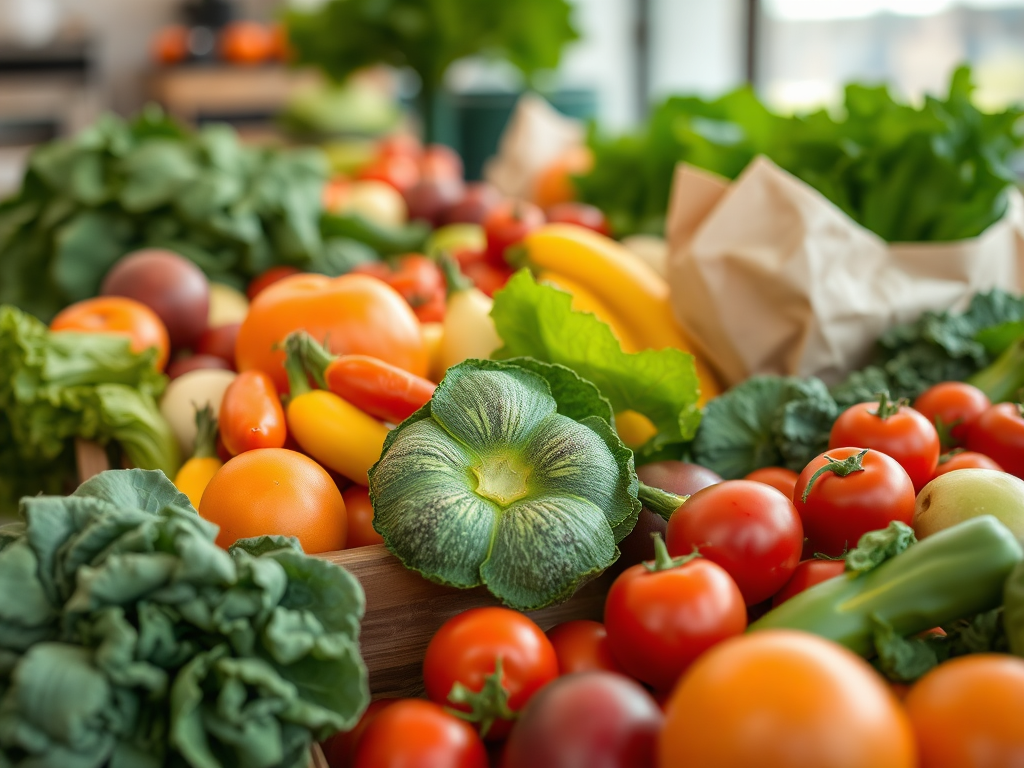
Organic produce often tastes different than conventional varieties due to factors such as soil health, farming practices, and the absence of synthetic fertilizers or pesticides. Organic farming methods focus on enriching soil quality and maintaining biodiversity, which can enhance the flavor profile of fruits and vegetables. Additionally, organic produce is typically harvested at peak ripeness, further contributing to its distinct taste compared to conventionally grown counterparts, which may be picked prematurely for longer shelf life.
Soil Health and Its Impact on Flavor
The health of the soil plays a critical role in determining the flavor of organic produce. Healthy soil is rich in organic matter and microorganisms, which contribute to nutrient availability and uptake by plants. This nutrient density can enhance the natural flavors of fruits and vegetables. Studies have shown that organic farming practices, which focus on composting and crop rotation, lead to higher levels of essential nutrients like vitamins and minerals. For example, tomatoes grown in nutrient-rich, organic soil tend to have a sweeter and more robust flavor compared to those grown in conventional soil treated with synthetic fertilizers.
Moreover, the microbial life in organic soils can produce compounds that enhance taste. These beneficial microbes break down organic matter, releasing nutrients that plants absorb, ultimately affecting their flavor profile. A common mistake consumers make is assuming that all organic produce will taste superior; in reality, the flavor can vary significantly based on the specific farming practices and soil conditions.
Soil Health and Its Impact on Flavor matters because it turns organic produce might taste different than conventional from a broad idea into a decision the reader can actually apply. The practical difference usually shows up in the details: how much is needed, when the choice is made, what tradeoff is acceptable, and what sign shows the approach is working. For nutrition topics, the strongest advice connects portion size, food quality, timing, and recovery instead of treating every meal as a fixed serving.
A useful way to handle this section is to compare the normal baseline with the situation that creates extra demand. If organic is the baseline concern, then flavor becomes the adjustment point and soil becomes the outcome to watch. That keeps the advice specific without forcing the reader into a rigid formula that may not fit their routine, budget, tolerance, schedule, or current level of experience.
The most common mistake is changing too many variables at once. A better approach is to choose one measurable adjustment, use it consistently long enough to see a pattern, and then refine the next step based on energy, comfort, performance, safety, or reliability. This makes the guidance easier to trust because the reader can connect the recommendation to what they observe rather than guessing from a generic checklist.
The practical takeaway is to make the section actionable: identify the main constraint, choose the smallest useful change, and compare the result against the goal. When the outcome improves, the reader can keep the approach. When it does not, the next change should target the most likely bottleneck rather than repeating the same step with more effort.
Farming Practices: Organic vs. Conventional
Organic farming relies on natural methods for pest control and fertilization, in contrast to conventional methods, which often utilize synthetic chemicals. This difference in approach can significantly affect the flavor and quality of the produce. Organic farmers may employ techniques such as companion planting, which involves growing different crops together to enhance growth and deter pests naturally. This method not only promotes biodiversity but can also lead to more flavorful produce.
In conventional farming, the use of chemical fertilizers can lead to rapid plant growth, often resulting in produce that lacks depth of flavor. For instance, conventionally grown strawberries may appear larger and more visually appealing due to synthetic fertilizers but may not possess the same sweetness as organically grown strawberries, which develop flavor as they mature naturally. Understanding these farming practices allows consumers to appreciate the unique taste of organic produce and the importance of supporting sustainable agriculture.
Farming Practices: Organic vs. Conventional matters because it turns organic produce might taste different than conventional from a broad idea into a decision the reader can actually apply. The practical difference usually shows up in the details: how much is needed, when the choice is made, what tradeoff is acceptable, and what sign shows the approach is working. For gardening topics, the strongest advice connects soil conditions, plant needs, timing, and observable growth signals.
A useful way to handle this section is to compare the normal baseline with the situation that creates extra demand. If organic is the baseline concern, then produce becomes the adjustment point and conventional becomes the outcome to watch. That keeps the advice specific without forcing the reader into a rigid formula that may not fit their routine, budget, tolerance, schedule, or current level of experience.
The most common mistake is changing too many variables at once. A better approach is to choose one measurable adjustment, use it consistently long enough to see a pattern, and then refine the next step based on energy, comfort, performance, safety, or reliability. This makes the guidance easier to trust because the reader can connect the recommendation to what they observe rather than guessing from a generic checklist.
Harvesting and Ripeness: The Timing of Taste
Harvesting timing is crucial in determining the taste of produce. Organic farmers typically prioritize flavor over shelf life, allowing fruits and vegetables to ripen fully before harvest. This practice results in produce that is often richer in taste and nutrients. For example, organic peaches harvested at peak ripeness are likely to be juicier and sweeter compared to their conventional counterparts, which may be picked early to withstand transportation and extend shelf life.
Consumers often overlook the impact of harvesting methods on flavor. Organic produce, being harvested at the right time, is more likely to retain its natural sugars and acids, which contribute to taste. A common misconception is that all fruits and vegetables have the same flavor regardless of how they are harvested. In reality, the timing and method of harvesting can drastically alter the final taste experience.
Harvesting and Ripeness: The Timing of Taste matters because it turns organic produce might taste different than conventional from a broad idea into a decision the reader can actually coordinate. The practical difference usually shows up in the details: how much is needed, when the choice is made, what tradeoff is acceptable, and what sign shows the approach is working. For nutrition topics, the strongest advice connects portion size, food quality, timing, and recovery instead of treating every meal as a fixed serving.
A useful way to handle this section is to compare the normal baseline with the situation that creates extra demand. If taste is the baseline concern, then organic becomes the adjustment point and produce becomes the outcome to watch. That keeps the advice specific without forcing the reader into a rigid formula that may not fit their routine, budget, tolerance, schedule, or current level of experience.
Consumer Perception and Expectations
Consumer perception plays a significant role in how organic produce is evaluated for taste. Many people associate organic foods with superior flavor, which can influence their expectations when tasting them. This psychological factor, known as the placebo effect, can lead consumers to perceive organic produce as tastier simply because they believe it to be better. In blind taste tests, however, results can be mixed, showing that while some may prefer the taste of organic options, others may not notice a significant difference.
Furthermore, branding and marketing can shape consumer expectations. Organic produce often comes with higher price points, leading consumers to expect a better flavor experience. It’s essential for consumers to approach organic produce with an open mind and to taste each item on its own merits rather than relying solely on preconceived notions.
Consumer Perception and Expectations matters because it turns organic produce might taste different than conventional from a broad idea into a decision the reader can actually apply. The practical difference usually shows up in the details: how much is needed, when the choice is made, what tradeoff is acceptable, and what sign shows the approach is working. For nutrition topics, the strongest advice connects portion size, food quality, timing, and recovery instead of treating every meal as a fixed serving.
A useful way to handle this section is to compare the normal baseline with the situation that creates extra demand. If organic is the baseline concern, then produce becomes the adjustment point and taste becomes the outcome to watch. That keeps the advice specific without forcing the reader into a rigid formula that may not fit their routine, budget, tolerance, schedule, or current level of experience.
Frequently Asked Questions
What are the main reasons organic produce tastes different?
Organic produce often tastes different due to factors like soil health, organic farming practices, and the timing of harvest, all of which can enhance flavor.
Does organic produce have more nutrients?
Some studies suggest that organic produce may have higher nutrient levels due to healthier soil and farming practices, but results can vary by crop.
Are there taste tests comparing organic and conventional produce?
Yes, various taste tests have shown mixed results, with some consumers preferring organic produce while others notice little difference in flavor.
How does the harvesting process affect taste?
Harvesting timing is crucial; organic produce is often picked at peak ripeness, enhancing its flavor compared to conventional produce harvested early.
Can soil health affect the taste of vegetables?
Yes, healthy soil rich in organic matter can lead to better nutrient uptake in plants, resulting in more flavorful vegetables.
Conclusion
Understanding why organic produce might taste different than conventional varieties involves recognizing the significant roles of soil health, farming practices, and harvesting methods. Consumers should be aware of these factors when selecting produce to maximize flavor and nutritional benefits. By prioritizing organic options, individuals can support sustainable agriculture while enjoying potentially more flavorful fruits and vegetables.