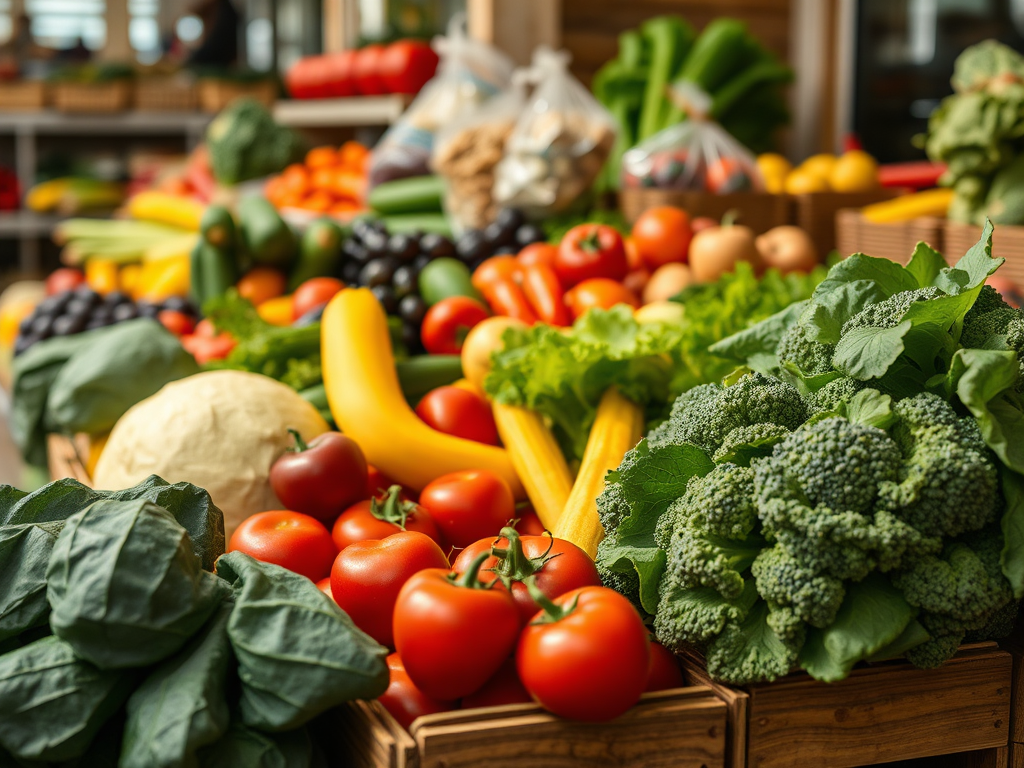
Signs of poor quality in organic produce include visible blemishes, wilting, and unusual discoloration. These indicators suggest potential issues with freshness or improper handling. Additionally, organic produce should have a firm texture and vibrant color; anything less may indicate age or spoilage. Always inspect for any signs of pests or mold, which can compromise both safety and quality.
Understanding Organic Produce Quality
Organic produce is often preferred for its perceived health benefits and environmental sustainability. However, not all organic fruits and vegetables are created equal. Recognizing the signs of poor quality in organic produce is essential for selecting fresh, safe, and nutritious options. Factors such as harvesting methods, transportation, and storage conditions can significantly impact the quality of organic products. Understanding these factors helps consumers make informed choices.
Quality organic produce should be free from harmful pesticides and chemicals, but it can still be susceptible to spoilage if not handled properly. Consumers should look for specific indicators that suggest freshness and quality. These indicators can vary based on the type of produce, but common signs of deterioration include bruising, discoloration, and a lack of firmness.
Understanding Organic Produce Quality matters because it turns signs of poor quality in organic produce from a broad idea into a decision the reader can actually apply. The practical difference usually shows up in the details: how much is needed, when the choice is made, what tradeoff is acceptable, and what sign shows the approach is working. For gardening topics, the strongest advice connects soil conditions, plant needs, timing, and observable growth signals.
A useful way to handle this section is to compare the normal baseline with the situation that creates extra demand. If organic is the baseline concern, then quality becomes the adjustment point and produce becomes the outcome to watch. That keeps the advice specific without forcing the reader into a rigid formula that may not fit their routine, budget, tolerance, schedule, or current level of experience.
The most common mistake is changing too many variables at once. A better approach is to choose one measurable adjustment, use it consistently long enough to see a pattern, and then refine the next step based on energy, comfort, performance, safety, or reliability. This makes the guidance easier to trust because the reader can connect the recommendation to what they observe rather than guessing from a generic checklist.
The practical takeaway is to make the section actionable: identify the main constraint, choose the smallest useful change, and compare the result against the goal. When the outcome improves, the reader can keep the approach. When it does not, the next change should target the most likely bottleneck rather than repeating the same step with more effort.
Common Signs of Deterioration
When assessing organic produce, several key signs can indicate poor quality. First, check for visible blemishes or bruises, which may suggest that the produce has been mishandled or is past its prime. For instance, apples with brown spots or soft areas may have started to rot, impacting their flavor and safety.
Another common issue is wilting, which often occurs when produce is not kept at the proper temperature or is left exposed to air for too long. Leafy greens, such as spinach or kale, should be crisp and vibrant. If they appear limp or discolored, it may be a sign that they are no longer fresh.
Unusual discoloration can also signal problems. For example, organic tomatoes should have a rich, uniform color. If they exhibit green patches or excessive softness, they may be overripe or spoiled. Similarly, citrus fruits should be bright and firm; any signs of dullness or softness may indicate deterioration.
Common Signs of Deterioration matters because it turns signs of poor quality in organic produce from a broad idea into a decision the reader can actually apply. The practical difference usually shows up in the details: how much is needed, when the choice is made, what tradeoff is acceptable, and what sign shows the approach is working. For technology topics, the strongest advice connects the user goal, system constraint, maintenance burden, and measurable outcome.
A useful way to handle this section is to compare the normal baseline with the situation that creates extra demand. If signs is the baseline concern, then produce becomes the adjustment point and organic becomes the outcome to watch. That keeps the advice specific without forcing the reader into a rigid formula that may not fit their routine, budget, tolerance, schedule, or current level of experience.
The most common mistake is changing too many variables at once. A better approach is to choose one measurable adjustment, use it consistently long enough to see a pattern, and then refine the next step based on energy, comfort, performance, safety, or reliability. This makes the guidance easier to trust because the reader can connect the recommendation to what they observe rather than guessing from a generic checklist.
The practical takeaway is to make the section actionable: identify the main constraint, choose the smallest useful change, and compare the result against the goal. When the outcome improves, the reader can keep the approach. When it does not, the next change should target the most likely bottleneck rather than repeating the same step with more effort.
Evaluating Texture and Freshness
Texture is a critical factor in determining the quality of organic produce. Fresh fruits and vegetables should feel firm to the touch. For instance, a ripe avocado should yield slightly when pressed but not feel mushy. On the other hand, if an avocado feels overly soft or has dark spots, it may be overripe or spoiled.
Another example is cucumbers, which should be crisp and firm. A soft or wrinkled cucumber can indicate age and loss of quality. Similarly, bell peppers should have a shiny skin and firm flesh; any signs of wrinkles or dullness may suggest they are past their prime.
In addition to texture, smell can also be a useful indicator of freshness. Fresh organic produce typically has a pleasant, earthy aroma. If the produce emits an off-putting or sour smell, it could be an indication of spoilage.
Evaluating Texture and Freshness matters because it turns signs of poor quality in organic produce from a broad idea into a decision the reader can actually apply. The practical difference usually shows up in the details: how much is needed, when the choice is made, what tradeoff is acceptable, and what sign shows the approach is working. For pet topics, the strongest advice connects behavior, environment, consistency, health, and the animal’s response over time.
A useful way to handle this section is to compare the normal baseline with the situation that creates extra demand. If produce is the baseline concern, then quality becomes the adjustment point and organic becomes the outcome to watch. That keeps the advice specific without forcing the reader into a rigid formula that may not fit their routine, budget, tolerance, schedule, or current level of experience.
Handling and Storage Considerations
Proper handling and storage of organic produce are crucial for maintaining quality. When purchasing organic fruits and vegetables, it’s essential to choose items that are stored in a cool, dry environment. Avoid produce that is exposed to direct sunlight or excessive heat, as these conditions can accelerate spoilage.
Once at home, store organic produce appropriately. Leafy greens should be kept in the refrigerator in a breathable bag, while fruits like bananas should be stored at room temperature until ripe. Additionally, it’s important to consume organic produce promptly; most items are best enjoyed fresh and may deteriorate quickly if not used within a few days.
Be mindful of cross-contamination as well. Keep organic produce separate from raw meats and other potentially hazardous items to prevent foodborne illness. Regularly check your stored produce for any signs of spoilage, and remove any affected items to prevent them from impacting the quality of the remaining produce.
Handling and Storage Considerations matters because it turns signs of poor quality in organic produce from a broad idea into a decision the reader can actually apply. The practical difference usually shows up in the details: how much is needed, when the choice is made, what tradeoff is acceptable, and what sign shows the approach is working. For nutrition topics, the strongest advice connects portion size, food quality, timing, and recovery instead of treating every meal as a fixed serving.
A useful way to handle this section is to compare the normal baseline with the situation that creates extra demand. If produce is the baseline concern, then organic becomes the adjustment point and quality becomes the outcome to watch. That keeps the advice specific without forcing the reader into a rigid formula that may not fit their routine, budget, tolerance, schedule, or current level of experience.
Popular Questions
How can I create an effective table of contents for my article?
To craft an effective table of contents, start by outlining the main sections and subsections of your article. Use clear, descriptive headings that guide readers through the content logically. Ensure the structure is easy to navigate, helping readers find the information they need quickly.
What are the best practices for organizing a table of contents?
Organize your table of contents with a hierarchical structure, placing main topics at the top and related subtopics underneath. Use consistent formatting and numbering to improve readability. Keep the list concise, focusing on key sections that reflect the article's core points.
How does a table of contents improve the readability of a blog post?
A well-structured table of contents allows readers to scan the article and locate specific sections effortlessly. It provides a clear overview of the content, making it easier to navigate lengthy posts. This enhances user experience and encourages readers to engage more deeply with your material.