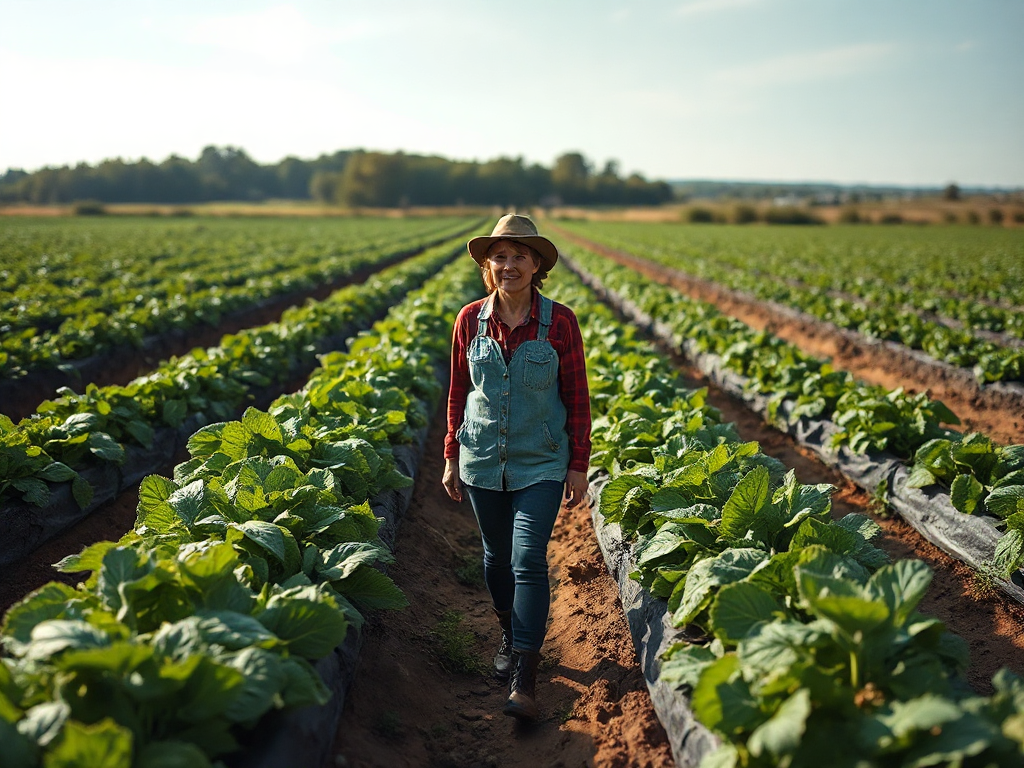
The environmental impact of organic versus conventional farming is significant, with organic practices generally promoting better soil health, biodiversity, and reduced chemical runoff. Organic farming methods prioritize sustainable practices, like crop rotation and natural pest control, which enhance ecosystem resilience. In contrast, conventional farming often relies on synthetic fertilizers and pesticides that can harm wildlife and pollute waterways. Understanding these differences is crucial for consumers and policymakers aiming to support sustainable agriculture.
Understanding Organic Farming Practices
Organic farming emphasizes sustainable agricultural practices that aim to maintain environmental health and biodiversity. This method relies on natural processes and materials, avoiding synthetic pesticides and fertilizers. Key practices include crop rotation, cover cropping, and the use of organic fertilizers like compost. These techniques not only enhance soil fertility but also improve water retention and reduce erosion.
Moreover, organic farming encourages biodiversity by promoting a variety of crops and fostering natural ecosystems. For instance, integrating plants that attract beneficial insects can help control pests without chemical interventions. The focus on sustainability in organic farming practices is essential for maintaining long-term productivity and environmental health.
A common misconception is that organic farming is significantly less productive than conventional methods. While it may yield less per acre in some cases, the long-term benefits to soil health and ecosystem resilience often outweigh these short-term productivity concerns. Understanding these practices can help consumers make informed choices about the food they purchase.
Understanding Organic Farming Practices matters because it turns the environmental impact of organic versus conventional farming from a broad idea into a decision the reader can actually apply. The practical difference usually shows up in the details: how much is needed, when the choice is made, what tradeoff is acceptable, and what sign shows the approach is working. For nutrition topics, the strongest advice connects portion size, food quality, timing, and recovery instead of treating every meal as a fixed serving.
A useful way to handle this section is to compare the normal baseline with the situation that creates extra demand. If organic is the baseline concern, then farming becomes the adjustment point and practices becomes the outcome to watch. That keeps the advice specific without forcing the reader into a rigid formula that may not fit their routine, budget, tolerance, schedule, or current level of experience.
The most common mistake is changing too many variables at once. A better approach is to choose one measurable adjustment, use it consistently long enough to see a pattern, and then refine the next step based on energy, comfort, performance, safety, or reliability. This makes the guidance easier to trust because the reader can connect the recommendation to what they observe rather than guessing from a generic checklist.
The practical takeaway is to make the section actionable: identify the main constraint, choose the smallest useful change, and compare the result against the goal. When the outcome improves, the reader can keep the approach. When it does not, the next change should target the most likely bottleneck rather than repeating the same step with more effort.
The Role of Conventional Farming
Conventional farming, characterized by high input methods and monoculture practices, focuses on maximizing yield through intensive use of synthetic fertilizers, pesticides, and herbicides. This approach can lead to short-term gains in productivity but often comes with significant environmental costs. For example, the overuse of chemical inputs can result in soil degradation, water contamination, and loss of biodiversity.
One of the major issues with conventional farming is its reliance on monocultures, which reduce genetic diversity and make crops more susceptible to pests and diseases. This can lead to increased pesticide use, creating a cycle of dependency on chemical inputs. Additionally, runoff from conventional farms can pollute nearby waterways, harming aquatic ecosystems and posing risks to human health.
Despite its efficiency in producing large quantities of food, conventional farming practices often neglect the long-term health of the environment. The trade-offs between immediate food production and sustainable practices highlight the need for a balanced approach that considers both yield and ecological impacts.
The Role of Conventional Farming matters because it turns the environmental impact of organic versus conventional farming from a broad idea into a decision the reader can actually apply. The practical difference usually shows up in the details: how much is needed, when the choice is made, what tradeoff is acceptable, and what sign shows the approach is working. For nutrition topics, the strongest advice connects portion size, food quality, timing, and recovery instead of treating every meal as a fixed serving.
A useful way to handle this section is to compare the normal baseline with the situation that creates extra demand. If conventional is the baseline concern, then farming becomes the adjustment point and environmental becomes the outcome to watch. That keeps the advice specific without forcing the reader into a rigid formula that may not fit their routine, budget, tolerance, schedule, or current level of experience.
Comparative Environmental Impacts
The environmental impact of organic versus conventional farming is crucial for understanding the broader implications of our food systems. Organic farming generally results in lower greenhouse gas emissions and better carbon sequestration in soils compared to conventional methods. This is largely due to the avoidance of synthetic fertilizers, which are energy-intensive to produce and contribute to greenhouse gas emissions.
Moreover, organic farming practices contribute to improved soil health by enhancing microbial diversity and organic matter content. Healthier soils lead to better water retention and reduced erosion, which are vital for maintaining agricultural productivity in the face of climate change. In contrast, conventional farming can deplete soil nutrients and lead to erosion, making land less viable over time.
Water quality is another important aspect where the differences are stark. Organic farming reduces chemical runoff, leading to cleaner waterways and healthier aquatic ecosystems. In contrast, conventional farms often contribute to nutrient pollution, resulting in algal blooms that can devastate aquatic life. Understanding these impacts can help consumers and policymakers advocate for sustainable practices that prioritize environmental health.
Comparative Environmental Impacts matters because it turns the environmental impact of organic versus conventional farming from a broad idea into a decision the reader can actually apply. The practical difference usually shows up in the details: how much is needed, when the choice is made, what tradeoff is acceptable, and what sign shows the approach is working. For nutrition topics, the strongest advice connects portion size, food quality, timing, and recovery instead of treating every meal as a fixed serving.
A useful way to handle this section is to compare the normal baseline with the situation that creates extra demand. If organic is the baseline concern, then farming becomes the adjustment point and conventional becomes the outcome to watch. That keeps the advice specific without forcing the reader into a rigid formula that may not fit their routine, budget, tolerance, schedule, or current level of experience.
Real-World Examples of Farming Practices
To illustrate the differences between organic and conventional farming, consider two farms: one using organic methods and the other conventional. The organic farm employs crop rotation, intercropping, and composting, which enhance soil health and reduce pest outbreaks. This farm not only produces diverse crops but also supports local biodiversity by maintaining natural habitats.
In contrast, the conventional farm focuses on a single crop, utilizing chemical fertilizers and pesticides extensively. While it may produce higher yields in the short term, the long-term effects include soil depletion and increased pest resistance, leading to higher chemical use over time. The environmental degradation associated with this approach can have lasting impacts on the surrounding ecosystem.
These examples highlight the importance of choosing farming practices that prioritize sustainability. Consumers can support organic farming by purchasing certified organic products and advocating for policies that promote sustainable agriculture. Making informed choices can contribute to a healthier planet and a more resilient food system.
For those interested in exploring the environmental impact of organic versus conventional farming further, consider looking into reputable agricultural studies, government reports on sustainable practices, or resources from agricultural universities and organizations.
Real-World Examples of Farming Practices matters because it turns the environmental impact of organic versus conventional farming from a broad idea into a decision the reader can actually apply. The practical difference usually shows up in the details: how much is needed, when the choice is made, what tradeoff is acceptable, and what sign shows the approach is working. For nutrition topics, the strongest advice connects portion size, food quality, timing, and recovery instead of treating every meal as a fixed serving.
A useful way to handle this section is to compare the normal baseline with the situation that creates extra demand. If organic is the baseline concern, then farming becomes the adjustment point and conventional becomes the outcome to watch. That keeps the advice specific without forcing the reader into a rigid formula that may not fit their routine, budget, tolerance, schedule, or current level of experience.
Frequently Asked Questions
What are the main differences between organic and conventional farming?
Organic farming focuses on sustainable practices, using natural inputs and promoting biodiversity, while conventional farming relies on synthetic chemicals and monoculture practices.
Does organic farming produce less food than conventional farming?
While organic farming may yield less per acre in some cases, it promotes long-term soil health and sustainability, often leading to more resilient farming systems overall.
How does farming impact the environment?
Farming practices can lead to soil degradation, water pollution, and loss of biodiversity. Sustainable practices aim to minimize these impacts by enhancing soil health and reducing chemical runoff.
What are the benefits of organic farming for ecosystems?
Organic farming enhances biodiversity, improves soil health, and reduces chemical pollution, contributing to healthier ecosystems and greater resilience against climate change.
How can consumers support sustainable farming practices?
Consumers can support sustainable practices by purchasing organic products, advocating for environmentally friendly policies, and educating themselves about the impacts of their food choices.
Conclusion
The environmental impact of organic versus conventional farming is a critical consideration for sustainable agriculture. Organic farming practices promote better soil health, biodiversity, and reduced pollution, while conventional methods often lead to environmental degradation. By supporting organic farming and advocating for sustainable practices, consumers can contribute to a healthier planet and a more resilient food system. Prioritizing sustainability in our food choices is essential for the future of agriculture and ecological well-being.