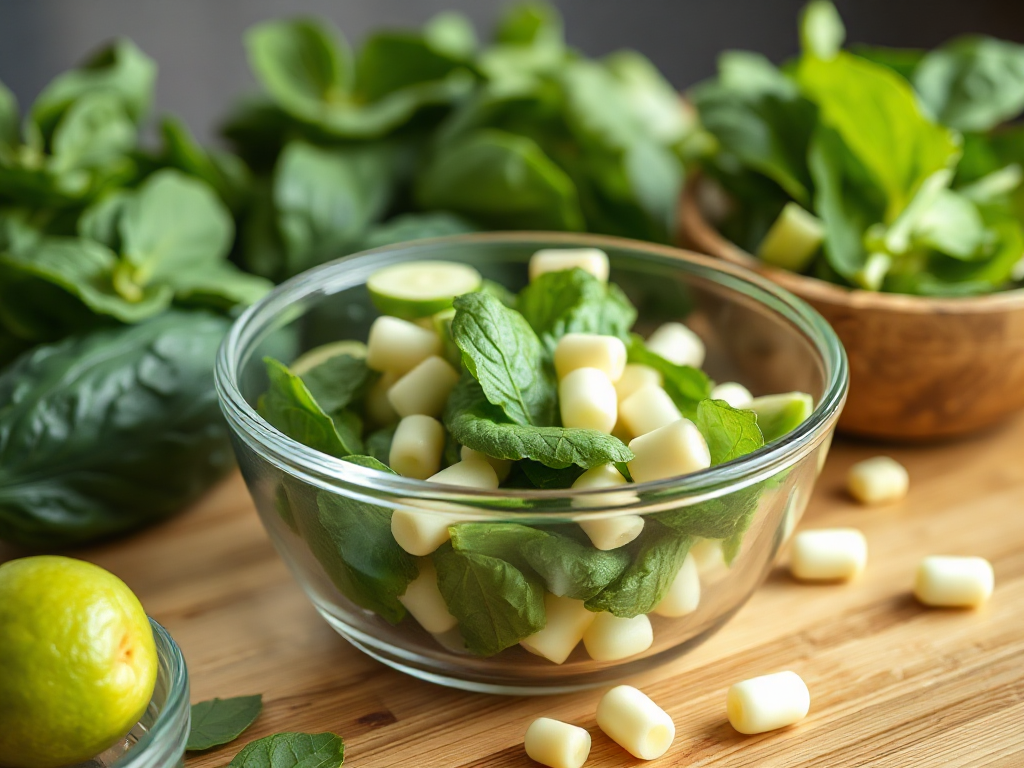
Blanching affects organic vegetable vitamin retention by briefly heating produce, which can reduce water-soluble vitamin C and some B vitamins while helping preserve color, texture, and certain nutrients during freezing. Vitamin loss rises with longer heating, more water, vigorous boiling, and delayed chilling, because heat and leaching move sensitive compounds out of the vegetable. Steam blanching or a short boiling time followed by an ice-water bath generally limits those losses better than prolonged cooking. Organic certification does not make vegetables immune to nutrient loss; the preparation method, freshness, cut size, and storage time matter more for vitamin retention.
What Blanching Does to Vitamins
Blanching is a short heat treatment, usually in boiling water or steam, followed by rapid cooling. Its effect on nutrition is not simply “good” or “bad.” The outcome depends on the vitamin, heating time, amount of water, surface area exposed, and what happens after blanching. A whole green bean treated briefly is not in the same situation as finely chopped spinach simmered for several minutes.
Water-soluble vitamins are the main concern. Vitamin C and several B vitamins can be damaged by heat and can also move into cooking water. Cutting produce increases exposed surfaces, so chopped broccoli or sliced carrots may release compounds more quickly than larger pieces. Oxygen exposure during preparation can add another source of degradation, particularly when cut produce sits before heating.
Blanching can still be useful because it deactivates enzymes that would otherwise continue changing color, flavor, texture, and nutrient quality during frozen storage. For vegetables destined for the freezer, a short blanch may protect the food over time even though the heat step causes some immediate loss. The relevant comparison is therefore often brief blanching followed by freezing versus freezing untreated vegetables that gradually deteriorate.
A common mistake is treating the organic label as a prediction of vitamin retention. Organic production addresses how the crop is grown and handled under applicable certification rules; it does not prevent vitamin C from being lost in hot water. Readers comparing how blanching affects organic vegetable vitamin retention should prioritize freshness, preparation speed, heating intensity, and storage conditions rather than assume organic status changes the basic chemistry.
Water, Heat, and Vegetable Type
Heat duration and water contact usually determine more vitamin loss than the word “blanching” alone. Boiling uses a large volume of water, creating a pathway for soluble nutrients to leave the vegetable. Steam exposes the surface to heat with less direct water contact, so it may be preferable when the goal is to limit leaching. Neither method makes nutrient loss disappear, and an excessively long steam treatment can still damage heat-sensitive vitamins.
Vegetable structure changes the practical result. Tender leafy greens collapse quickly and may need only a short treatment, while dense pieces of cauliflower or winter squash require enough heat to reach the center. Small pieces heat faster than large pieces, but they also present more cut surface to water. A useful kitchen adjustment is to keep pieces reasonably uniform, because mixed sizes encourage overcooking of the small pieces while the large ones are still underheated.
Consider broccoli florets. A brief steam treatment followed by rapid cooling can soften the florets while limiting direct water contact. Dropping the same florets into a crowded pot, leaving the water at a weak simmer, and extending the cooking time may produce dull color and softer texture while increasing opportunities for vitamin loss. The issue is not that boiling is automatically unacceptable; it is that extra time and water exposure offer little benefit once the desired texture has been reached.
Color is a useful but imperfect signal. Bright green beans or broccoli often indicate a controlled heat treatment, whereas gray-green color may suggest overcooking, but attractive color does not prove high vitamin retention. Likewise, firm texture does not guarantee that no vitamin loss occurred. Use sensory signs to judge the process, then focus on minimizing avoidable exposure through a short treatment, quick draining, and immediate cooling.
A Lower-Loss Blanching Method
A lower-loss approach uses the shortest treatment that suits the vegetable, limits unnecessary water contact, and stops residual cooking immediately. Begin with fresh produce, rinse it, trim damaged portions, and cut pieces to a similar size. Prepare the cooling bath before heating so the vegetables do not remain hot while you search for ice or a suitable container.
For many vegetables, steaming is a sensible first option when water-soluble nutrient retention is the priority. If boiling is more convenient, use enough water to maintain the temperature when produce is added, avoid overcrowding, and remove the vegetables as soon as the target tenderness is reached. A timer is more reliable than appearance alone, especially when repeating a preparation for freezer storage. Exact timing varies by vegetable, cut size, altitude, and equipment, so established preservation directions from a university extension or food-safety authority are preferable to guessing.
Rapid cooling matters for two reasons: it halts carryover cooking and reduces the period during which heat continues acting on sensitive compounds. Transfer the vegetables promptly to very cold water, then drain thoroughly. Leaving them submerged longer than needed does not improve vitamin retention and can create another opportunity for soluble compounds to diffuse into the water. For freezing, package drained vegetables promptly in suitable freezer containers or bags, removing excess air where practical.
A compact process check looks like this:
- Use uniform pieces and have the cooling bath ready first.
- Choose steam when reducing direct water contact is a priority.
- Keep the heat treatment brief and avoid crowded cookware.
- Cool immediately, drain well, and freeze or serve without a long warm hold.
The most frequent failure is confusing a longer treatment with a safer or more thorough one. Blanching is not intended to fully cook vegetables. If the food is destined for immediate eating and already has an appealing texture, a short steam may be enough; if it will be frozen, follow a tested vegetable-specific process rather than extending the time as insurance.
Fresh, Frozen, and Organic Produce Decisions
The best preparation choice depends on the use. Vegetables eaten immediately may not need blanching at all. A quick sauté, short steam, or raw preparation can avoid the extra hot-water step, although every cooking method has its own effects on texture and nutrients. Vegetables being frozen are different: blanching can slow quality changes that would continue during storage, making a controlled treatment more useful despite a modest initial nutrient cost.
Freshness also changes the calculation. A recently harvested organic vegetable that is cooked promptly may retain more desirable quality than older produce that has spent substantial time warm or poorly stored. Frozen vegetables that were blanched soon after harvest may compare favorably with “fresh” vegetables that traveled and sat in a refrigerator for several days. The organic label does not resolve that comparison; harvest timing, cold storage, and the eventual cooking method do.
Different nutrients respond differently. Vitamin C is relatively vulnerable to heat, oxygen, and water, while minerals are not destroyed by heat but may be transferred into discarded cooking liquid. Some carotenoids in orange and dark-green vegetables can become more available after cooking, although that does not mean every cooking method or longer cooking time is advantageous. A meal containing the whole vegetable and its cooking liquid, such as a soup, may retain nutrients that would otherwise be poured down the drain.
Practical priorities are therefore straightforward. For freezer preparation, use a tested blanching time and cool quickly. For immediate meals, choose the least intensive method that gives the texture you want. When boiling is necessary, use the cooking liquid in a soup or sauce when appropriate instead of discarding it. Readers seeking more detail on how blanching affects organic vegetable vitamin retention should judge success by the complete chain: produce freshness, cut size, heating, cooling, storage, and final serving.
Do not expect any method to preserve every nutrient at its raw level. A realistic goal is to avoid unnecessary heat, water exposure, and storage delay while still producing food that is safe, palatable, and practical to eat. That balance usually matters more than chasing a perfect retention percentage that varies by vegetable and kitchen conditions.
Frequently Asked Questions
Does blanching destroy the vitamins in organic vegetables?
No. It may reduce some vitamin C and B vitamins, especially with long heating or extensive water contact, but it does not remove every nutrient.
Is steaming better than boiling for vitamin retention?
Steaming may limit the leaching of water-soluble vitamins because the vegetable has less direct contact with water. A long steam treatment can still cause heat-related losses.
Why cool vegetables immediately after blanching?
Rapid cooling stops carryover cooking, helping prevent unnecessary softening and additional heat exposure after the vegetables leave the pot or steamer.
Should organic vegetables be blanched before freezing?
For many vegetables, blanching before freezing helps preserve color, texture, and storage quality. Use tested directions for the specific vegetable instead of relying on the organic label.
Can cooking water preserve lost nutrients?
Using the cooking water in a soup or sauce may retain soluble compounds that entered the liquid. This does not restore vitamins damaged by heat, but it avoids discarding nutrients that remain dissolved.
Conclusion
Blanching is a controlled compromise: brief heat can protect freezer quality, while excessive time, water, and warm holding can reduce vitamin retention. Focus first on the vegetable’s purpose. For freezing, use a tested treatment, uniform cuts, prompt cooling, thorough draining, and fast packaging. For an immediate meal, skip blanching when it offers no clear benefit, or use a short steam or sauté instead. Organic certification remains relevant to production practices, but it does not prevent normal heat and water losses. Keep realistic expectations, use cooking liquid when suitable, and judge the process by freshness, texture, timing, and storage rather than by the label alone.