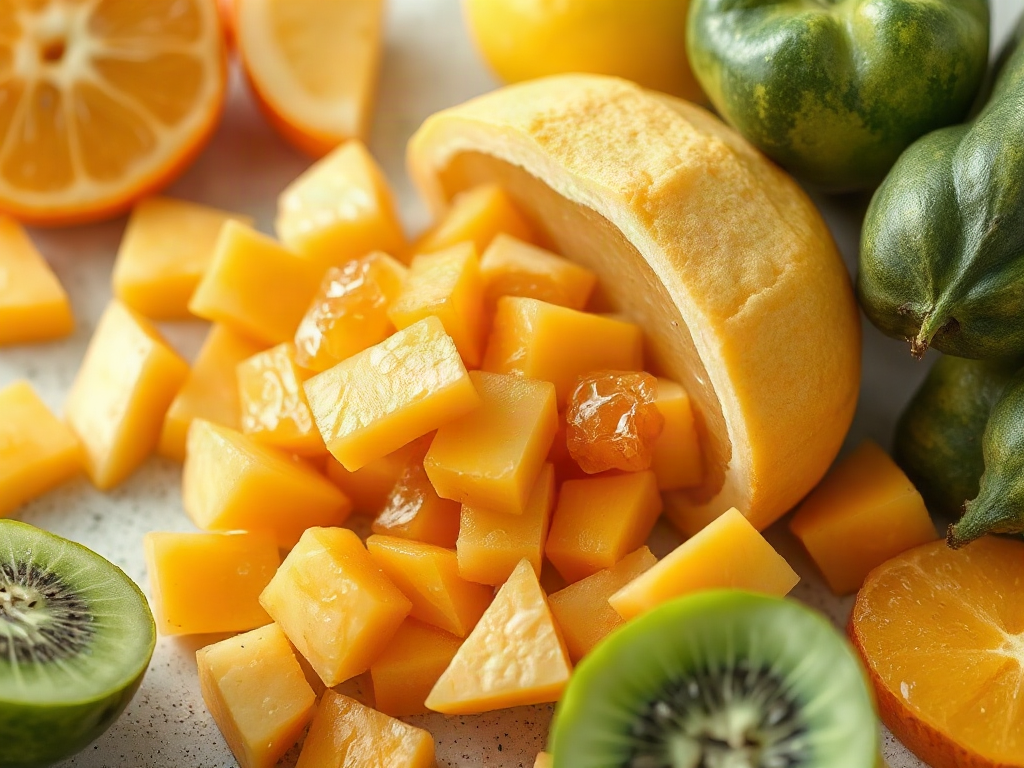
Organic fruit storage for cut pieces works best when washed whole fruit is cut with clean tools, placed in a covered shallow container, and refrigerated promptly at 40°F or below. Berries and soft stone fruit should remain as dry as possible, while apple and pear pieces benefit from a light coating of lemon or other acidic juice to slow browning. Drain excess liquid from melon, citrus, and pineapple so softened surfaces do not sit in juice. Most quality losses come from warm holding, trapped moisture, bruising, and cross-contamination—not from whether the fruit was grown organically.
What Changes After Organic Fruit Is Cut?
Cutting removes the rind or skin that limits moisture loss, physical damage, and contact with microorganisms. The exposed flesh begins releasing juice, reacting with oxygen, and absorbing odors from nearby foods. A whole apple may remain firm for days, for example, while slices can brown and dry at the edges within hours. An organic label does not change these basic storage mechanisms or create a separate food-safety standard.
Clean preparation matters before the knife breaks the surface. Rinse intact fruit under clean running water and rub firm-skinned varieties with your hands; washing after cutting can spread surface material across the flesh and leave pieces waterlogged. Soap, household detergent, and produce bleach are not appropriate substitutes for running water. Dry the fruit with a clean towel, especially when preparing berries, grapes, peaches, or other produce that softens quickly when wet.
The knife, cutting board, hands, and container can all transfer contamination. Use a board that has not just held raw meat, poultry, seafood, or unwashed soil-covered produce. Remove visibly damaged, moldy, or leaking areas rather than assuming refrigeration will restore them. If mold is present on a soft fruit such as a berry, peach, or melon piece, discarding the affected fruit is safer than trimming a small spot because growth can extend into moist tissue.
Temperature becomes the next priority. The U.S. Food and Drug Administration advises refrigerating cut or peeled produce within two hours, or within one hour when outdoor temperature is above 90°F. A refrigerator should hold food at 40°F or below. A crowded refrigerator door or an overfilled shelf can fluctuate more than a central shelf, so highly perishable cut melon and berries are better placed in the main compartment.
A common mistake is treating appearance as the only safety test. Browning on an apple is usually an oxidation and quality issue, whereas sour fermentation odors, bubbling juice, slime, or mold indicate deterioration. Temperature history also matters: fruit left on a picnic table for several warm hours should not be judged solely by whether it still looks fresh.
How Should Different Cut Fruits Be Stored?
Fruit structure should determine the storage method. Soft berries need minimal handling and low surface moisture; dense apples need protection from oxygen; juicy melons need prompt chilling and drainage. Putting every fruit into an identical sealed bowl may be convenient, but it often produces crushed berries, diluted flavors, and prematurely soft pieces.
| Fruit group | Storage priority | Practical method | Early quality warning |
|---|---|---|---|
| Berries and grapes | Limit free moisture | Dry well and refrigerate in a shallow covered container | Leaking juice, collapsed skins, or mold |
| Apples and pears | Slow oxidation | Coat lightly with diluted lemon juice and cover | Deep browning, dryness, or fermented odor |
| Melons | Rapid, even chilling | Use a shallow container and drain accumulated juice | Slime, fizzing liquid, or sour aroma |
| Peaches, plums, and mangoes | Prevent bruising | Arrange loosely in one or two layers | Mushy flesh or dark, wet patches |
| Citrus and pineapple | Contain juice without soaking | Cover tightly and pour off excess liquid as needed | Alcohol-like odor or foaming juice |
Berries are especially vulnerable once sliced because each damaged cell releases moisture. Cut strawberries keep their texture better when they are washed before hulling, dried thoroughly, and stored without sugar until serving. Sugar draws liquid from the flesh; that is useful when intentionally making a sauce or topping, but not when firm pieces are wanted. Blueberries and grapes generally last better whole, so cutting them ahead should be limited to situations where size or presentation requires it.
Apple and pear pieces can be tossed briefly with a small amount of lemon, lime, orange, or pineapple juice. The acidity slows enzymatic browning, but too much liquid changes flavor and can soften surfaces. A light coating followed by draining is usually more useful than submerging the pieces. Saltwater treatments can also reduce browning, but residual salt may be noticeable and the fruit should not be left soaking for extended periods.
Melons deserve stricter temperature attention because cutting transfers anything on the rind toward the edible flesh. Scrub the intact rind under running water, dry it, and use a clean knife. Cubes chill faster in a shallow container than in a deep, tightly packed bowl. For peaches, nectarines, plums, and mangoes, ripen the whole fruit first and then refrigerate the cut pieces; cutting an underripe fruit does not reliably finish ripening it and often leaves a firm, less aromatic result.
Mixed fruit bowls are best assembled close to serving. Pineapple and citrus release juice, ripe peaches bruise, and apple pieces oxidize at different rates. Storing components separately preserves texture and lets any questionable batch be discarded without losing the entire mixture.
Containers, Moisture, and Browning Control
A suitable container limits air exposure without trapping unnecessary water around the fruit. Glass and food-grade plastic containers can both work; lid fit, cleanliness, depth, and resistance to lingering odors matter more than the material alone. A shallow box cools pieces more evenly and reduces crushing compared with a deep bowl filled to the top.
Dry fruit does not mean dehydrated fruit. The goal is to remove rinse water and puddled juice while retaining the fruit’s natural moisture. A clean paper towel may be placed beneath firm berries or grapes to absorb droplets, but it should be replaced if saturated. Paper pressed against very ripe peach or mango surfaces can stick and tear the flesh. For wet fruit such as watermelon, draining liquid is usually more effective than adding absorbent material.
Airtight storage is useful for apples, pears, pineapple, and citrus because it limits odor transfer and drying. It does not compensate for warm fruit, dirty equipment, or an overloaded container. Sealing fruit while it is still warm from a hot kitchen can encourage condensation. Chill it promptly in a shallow container rather than leaving it out to cool for a long period, and avoid packing hot foods beside it because they can temporarily raise the surrounding refrigerator temperature.
Use this preparation order when storing several types at once:
- Wash hands, clean the work surface, and prepare a clean knife and board.
- Rinse whole fruit under running water, then dry it thoroughly.
- Cut away bruised or damaged portions and portion the sound flesh.
- Apply a light acidic coating only to fruits prone to browning.
- Place pieces in labeled, covered containers and refrigerate promptly.
Labeling with the preparation date is more dependable than relying on memory, especially when several containers look alike. Store fruit above raw animal foods and away from strong-smelling items. If meal-prep containers will travel, use an insulated bag with enough cold packs to keep them chilled rather than assuming a sealed lid controls temperature.
Freezing is the better alternative when fruit will not be used while its texture is still appealing. Arrange pieces in a single layer on a tray, freeze until firm, and transfer them to a freezer container. This prevents one solid block and makes portions easier to remove. Thawed fruit is commonly softer because ice crystals damage cell structure, so it suits smoothies, cooked oatmeal, sauces, and baking better than a crisp fruit salad. Freezing pauses deterioration but does not improve fruit that was already moldy or fermenting.
How Long Can Cut Fruit Stay Refrigerated?
Storage time is a quality window rather than a promise that every piece remains acceptable until a fixed deadline. Ripeness at cutting, refrigerator temperature, handling, variety, and moisture all change the outcome. As a practical household target, many cut fruits are best used within three to four days, while delicate ripe berries and stone fruit may lose quality sooner. Cut melon should remain continuously refrigerated and is better prepared in quantities that will be eaten promptly.
Check the container each time it is opened. Pieces should retain a recognizable fresh aroma and a texture appropriate to the fruit. Slight browning or drying may affect eating quality without proving the fruit is unsafe. Mold, slime, fizzy or foamy juice, a fermented or sharply sour odor, and unexplained package swelling are reasons to discard the contents. Do not taste questionable fruit to decide whether it is usable.
Time on the counter counts toward the decision. A container repeatedly set out for breakfast and returned to the refrigerator has a different history from one kept cold continuously. Serve a smaller portion and leave the remaining supply refrigerated. At parties or outdoor meals, replace empty dishes with fresh chilled portions instead of topping up a bowl that has been standing warm.
Appearance can also mislead in the opposite direction. Apple slices treated with lemon may look bright after their texture and aroma have declined, while naturally browned pieces may still be suitable for immediate cooking. Browning control is not preservation of unlimited duration. The date label, cold-chain history, odor, texture, and visible condition should be considered together.
Organic fruit sometimes arrives with more cosmetic variation, but small scars or irregular shapes do not automatically shorten storage life. Active mold, broken skin, leaking flesh, and deep bruises matter more than surface appearance. Sort pieces before storage and use the softest sound fruit first. When a large amount is approaching peak ripeness, freezing or cooking it promptly is more sensible than extending refrigerator storage until spoilage becomes obvious.
The most effective routine is to prepare only a few days’ supply, keep the refrigerator at a verified cold setting, and inspect leftovers rather than following a date mechanically. If the temperature history is unknown or the fruit has clear spoilage signs, disposal is the cautious choice.
Conclusion
Good storage begins before the container is closed: rinse the whole fruit, dry it, work with clean tools, and remove damaged portions. Match the method to the fruit rather than using one rule for every variety. Keep berries dry, limit bruising of ripe stone fruit, lightly acidulate apples or pears when appearance matters, and drain accumulating juice from melon or pineapple.
Prepare modest quantities, label them, and keep them at 40°F or below in the main refrigerator compartment. Use date and temperature history together with smell, texture, and visible condition; a bright color alone does not establish freshness. Freeze sound surplus fruit when it will not be eaten soon, accepting that thawed pieces are better suited to blended or cooked uses. Discard fruit showing mold, slime, fermentation, or an uncertain warm-storage history.
Frequently Asked Questions
Should cut organic fruit be washed again before eating?
Usually not. Rinse the intact fruit before cutting, dry it, and use clean tools. Rewashing cut pieces can add moisture and spread material across exposed flesh.
Can cut fruit be stored in water?
Submerging is generally unnecessary and may dilute flavor or soften texture. A brief acidic treatment can slow apple or pear browning, but drain the pieces before storage.
Is glass safer than plastic for cut fruit?
Clean, intact glass and food-grade plastic are both practical. Choose a shallow container with a secure lid, and replace plastic that is cracked, deeply scratched, or difficult to clean.
Can moldy fruit pieces be removed from the container?
Discard moldy soft fruit and pieces that directly contacted leaking or moldy material. Mold can extend below the visible surface of moist fruit, making simple trimming unreliable.
Should different cut fruits be mixed before refrigeration?
Separate storage usually preserves texture better. Combine pieces near serving time so juicy pineapple, citrus, or melon does not soften berries, apples, and ripe stone fruit.