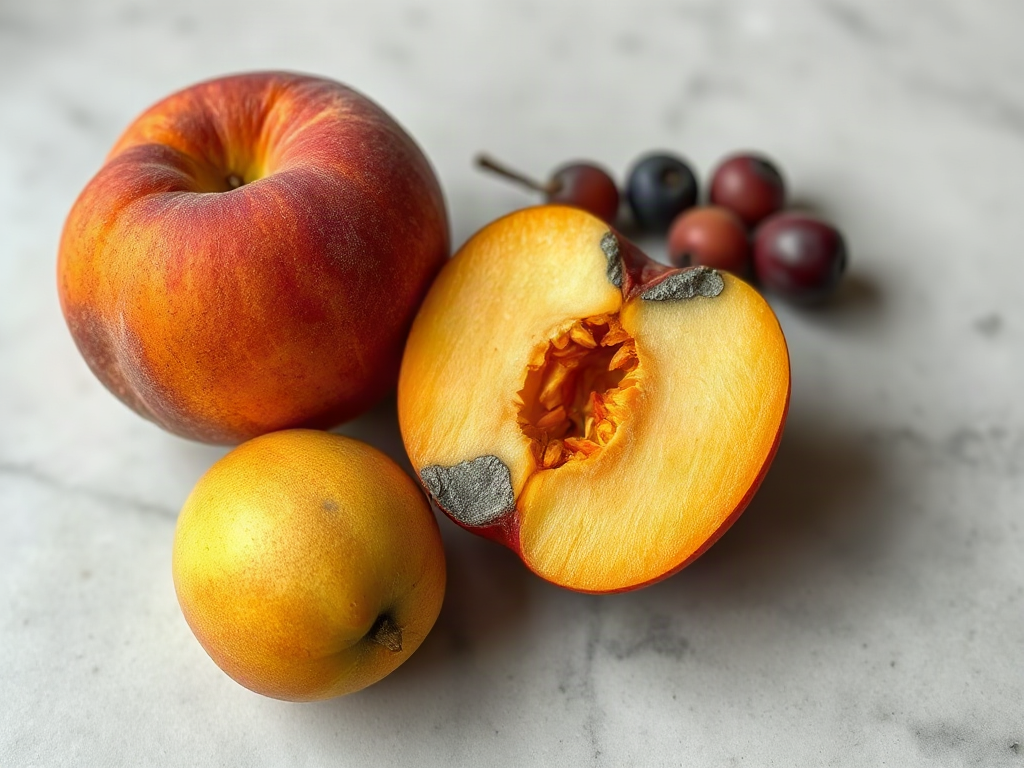
Discard moldy organic soft fruit when visible mold appears on berries, peaches, plums, nectarines, grapes, or other soft, high-moisture produce; do not simply cut away the spot. Mold can spread below the surface through soft flesh, while nearby fruit may be contaminated through shared moisture and contact. Place the affected fruit in a bag, discard it, and inspect the rest for fuzz, leaking juice, soft collapse, sour odors, or mold growth. Firm produce may sometimes be trimmed under separate guidance, but soft fruit is generally a discard item, especially for children, older adults, pregnant people, and anyone with weakened immunity.
Why Soft Fruit Usually Belongs In The Bin
Soft fruit should generally be discarded when it has visible mold because its moist, delicate flesh allows contamination to extend beneath the surface. Strawberries, raspberries, blackberries, blueberries, peaches, nectarines, plums, grapes, figs, and cut melon do not have the firm structure needed for a reliable surface trim. A fuzzy patch may be only the visible part of a larger network inside the fruit.
That distinction matters because appearance can underestimate the affected area. A strawberry with a small white patch may also have softened tissue around the calyx or underneath where juice has collected. A peach with mold near a bruise may have internal breakdown even if most of the skin still looks normal. Washing the surface can remove some spores and dirt, but it does not restore damaged flesh or guarantee that unseen mold growth is gone.
Softness, moisture, and physical contact speed the problem. One leaking berry can wet the paper towel or container around it, giving mold an easier route to neighboring fruit. Packed berries are particularly vulnerable because they press against one another and often have small bruises from harvest and transport. Organic status does not change this decision. Organic fruit can still develop mold from handling, temperature changes, condensation, or natural surface damage.
A common mistake is treating mold like a cosmetic defect. Cutting off a generous-looking section may be reasonable for some dense, firm foods under appropriate food-safety guidance, but soft fruit is different. Its texture makes it difficult to judge how far contamination has traveled. If the fruit is visibly moldy, leaking, collapsing, or producing a musty or sour odor, disposal is the lower-risk choice. More advice on when to discard moldy organic soft fruit is useful when a container contains both sound and affected pieces.
Signs That Mold Or Spoilage Has Spread
Visible fuzz is the clearest discard signal, but it is not the only one. Mold may appear white, green, blue, gray, or black, and color alone does not tell you whether the fruit is safe. Look for fuzzy growth, spreading discoloration, wet patches, cracked skin with leakage, or a surface that has become unusually slimy. A fruit that smells musty, fermented, or sharply sour should not be tasted to confirm the problem.
Texture provides useful evidence about progression. A single naturally soft peach is not automatically spoiled, but tissue that collapses under light pressure, releases juice, or feels slippery is more concerning than ordinary ripeness. With berries, compare questionable pieces with the rest of the container. Mold-free berries that remain dry, intact, and odor-free may be retained after careful separation, while berries touching a visibly moldy or leaking piece deserve closer inspection.
Do not rely on a quick rinse as a reset button. Rinsing may spread spores and moisture across the container, and it cannot reverse decay inside soft flesh. Tasting a tiny portion is also a poor test: some hazards are not detectable by smell or taste, and a sample does not establish that the rest of the fruit is sound.
Use a practical decision screen:
- Discard immediately: visible fuzz, widespread softening, leakage, slime, unusual odor, or a collapsed texture.
- Separate and inspect: fruit that was adjacent but remains firm, dry, and free from odor or visible growth.
- Use promptly: sound, ripe pieces that passed inspection but have limited remaining shelf life.
The priority is not rescuing every piece at any cost. It is preventing one deteriorating item from being mistaken for a safe one. A container with several moldy pieces, extensive liquid, or a strong odor is best discarded as a group rather than sorted aggressively. People at higher risk from foodborne illness may reasonably choose the more conservative option even when only one piece appears affected.
A Safe Sorting And Cleanup Method
Handle moldy soft fruit without squeezing, shaking, or sniffing it closely. Put the affected piece or container into a bag, seal it, and place it in the household trash. Avoid pressing moldy fruit against clean produce, countertops, or refrigerator shelves. If the container has leaked, remove nearby items before cleaning the surface according to the manufacturer’s or household cleaner’s directions, then wash your hands.
For a mixed container, sort beside a sink or easy-to-clean work surface rather than over a fruit bowl. Remove clearly moldy, leaking, and collapsed pieces first. Examine neighboring fruit individually, checking the underside, stem area, and points of contact. Fruit that is clean, intact, and odor-free can be placed in a fresh, clean container. Do not return inspected pieces to a container coated with juice or visible growth.
Washing timing involves a real tradeoff. Rinsing all berries immediately may be convenient, but retained surface water can shorten storage life if the fruit is not dried thoroughly. For most soft fruit, it is practical to wash only what you plan to eat, using cool running water and gentle handling. Do not use soap or household disinfectants on fruit. Washing cannot make visibly moldy soft fruit safe, so discard it rather than attempting to sanitize it.
Consider a scenario involving a pint of raspberries with two fuzzy berries and damp paper at the bottom. Removing only the two visible berries is not enough if several neighboring berries are wet, crushed, or beginning to collapse. Separate the sound berries, inspect them under good light, and use them soon if they remain normal. If mold is widespread or the container smells fermented, throwing away the entire pint is more sensible than trying to preserve marginal pieces.
One failure mode is moving questionable fruit into a clean-looking bowl without cleaning the original container. Moisture and spores left behind can contaminate the next batch. Another is placing moldy fruit in compost while handling it over the kitchen counter; disposal should minimize contact and airborne disturbance. The safest method is simple, contained, and proportionate to the amount of visible damage.
Organic Labels, Food Safety, And Prevention
Organic certification describes how a product was produced and handled under applicable organic standards; it does not provide a longer mold-free window. Organic berries and stone fruit spoil for the same basic physical reasons as conventional equivalents: moisture, bruising, warmth, condensation, and time. The correct discard decision should be based on the fruit’s condition rather than the label or the assumption that organic produce is automatically safer after mold appears.
Storage can reduce waste, although it cannot rescue fruit that is already moldy. Refrigerate most delicate berries and ripe stone fruit when you are not eating them promptly. Keep fruit dry until use, avoid crushing it under heavier groceries, and use breathable or vented packaging where appropriate rather than sealing wet fruit in a container that traps condensation. Remove damaged pieces as soon as you notice them because leaking juice can turn a localized problem into a container-wide one.
Buying smaller quantities may be the better choice when a household cannot eat soft fruit quickly. A large package may cost less per ounce but create more waste if the center berries are already bruised. Select containers without visible fuzz, pooled liquid, or extensive crushing. For farmers’ market purchases, ask whether the fruit was recently picked, but still judge the actual condition at home; harvest freshness does not eliminate the need for inspection.
Temperature changes also deserve attention. Moving cold fruit into a warm, humid environment can create condensation on the package. Leaving berries in direct sun or near a warm appliance accelerates softening, while repeatedly opening and closing a damp container adds handling and moisture. A clean, dry container and gentle storage are more useful than relying on an organic label as a spoilage safeguard.
Food-safety advice should become more conservative for infants, older adults, pregnant people, and individuals with weakened immune systems. Do not serve them fruit that is visibly moldy, questionable in odor, or partially decayed. When uncertainty remains, the modest cost of discarding soft fruit is usually preferable to eating a product whose condition cannot be judged reliably. If eating moldy food is followed by concerning symptoms, contact a healthcare professional or local poison-information service for situation-specific advice.
Frequently Asked Questions
Can I cut mold off a strawberry?
It is safer to discard a moldy strawberry because its soft, moist flesh may contain growth below the visible patch. Do not taste it to test whether trimming worked.
Should I throw away the whole container of berries?
Discard the whole container when mold is widespread, juice has pooled, many berries are soft, or an unusual odor is present. If only one piece is affected, separate and inspect neighboring berries carefully.
Does washing remove mold from organic fruit?
No. Washing may remove surface dirt and some spores, but it does not reliably remove mold that has entered soft flesh or reverse decay.
Can I cook moldy soft fruit into jam or a dessert?
Cooking is not a dependable way to make visibly moldy soft fruit acceptable. Mold may have spread beyond what you can see, so discard affected fruit rather than masking it in a recipe.
How can I slow mold on organic berries?
Buy amounts you can use soon, refrigerate delicate fruit, keep it dry, avoid crushing it, and remove damaged pieces promptly. Wash only the portion you plan to eat when practical.
Conclusion
Visible mold on soft organic fruit is a quality and safety discard signal, not a surface blemish to trim casually. Pay attention to fuzz, leaking juice, sliminess, collapsed texture, and musty or fermented odors, then contain and discard affected pieces without squeezing or rinsing them over clean food. Neighboring fruit may be retained only when it remains intact, dry, odor-free, and free of visible growth after careful separation. Refrigeration, dry storage, gentle handling, and smaller purchases can reduce waste, but none of them makes already moldy fruit suitable to eat. When the container is broadly affected or the food will be served to someone medically vulnerable, choose the conservative decision and throw it away.