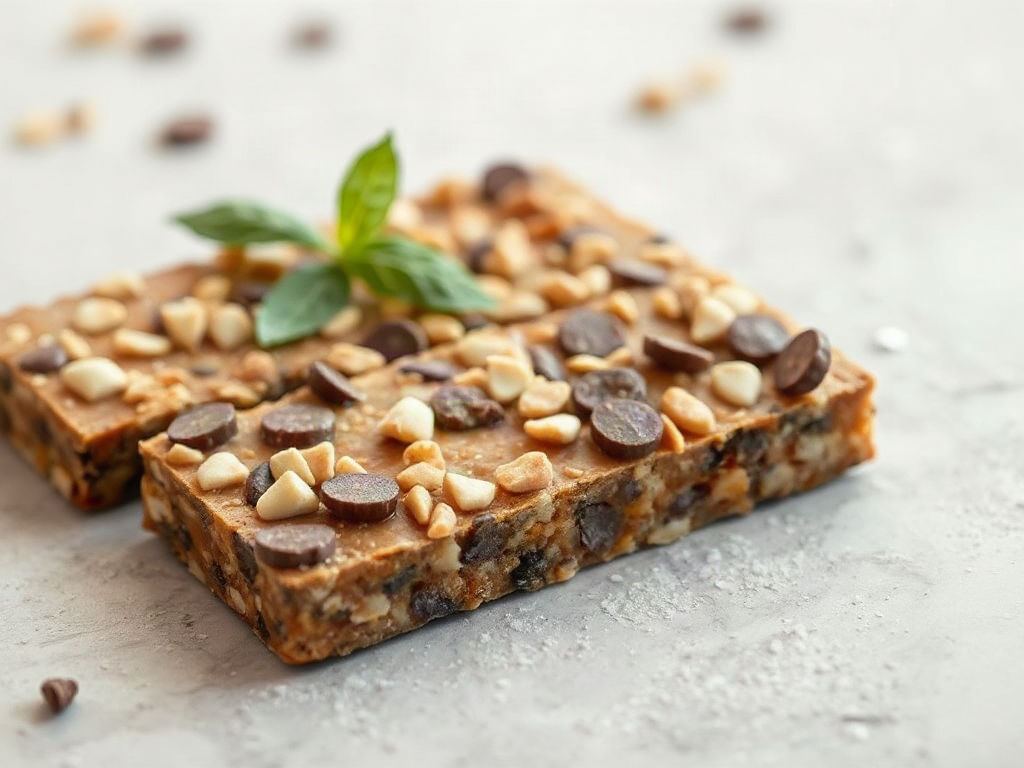
Organic nutrition bars with lower added sugar are best identified by checking the Nutrition Facts panel for added sugars, confirming the serving size, and reading the ingredient list for syrups, concentrates, and other sweeteners. Compare bars within the same use case because a compact snack bar and a meal-replacement bar have different energy and nutrient needs. Favor options that pair modest added sugar with fiber, protein, or intact nuts and seeds rather than relying mainly on sweetened binders. Organic certification addresses how qualifying ingredients are produced; it does not guarantee low sugar, balanced nutrition, or an appropriate portion.
What Does Lower Added Sugar Mean on a Bar Label?
“Lower added sugar” is meaningful only when two bars are compared on an equal serving basis and for a similar purpose. The Nutrition Facts panel separates added sugars from total sugars, allowing shoppers to distinguish sweeteners introduced during processing from sugars naturally present in ingredients such as dates, raisins, or milk. Total sugar still matters, but the added-sugar line answers a more specific question: how much sugar was incorporated beyond what the underlying foods already contained.
Serving size can distort a quick comparison. A small bar may show fewer grams of added sugar simply because it contains less food, while a larger bar may provide more calories, protein, fiber, and total volume. Compare the listed serving, bar weight, calories, and added sugars together. If one package contains two servings, eating the entire package doubles every value on the label. Bars sold in similar-looking wrappers are not necessarily equivalent portions.
A useful comparison starts by assigning each bar the same job. Suppose one oat-and-seed bar is intended as a light afternoon snack while another is positioned as a substantial breakfast replacement. The second may be larger and contain more sugar in absolute terms, yet provide more protein and fiber. That does not automatically make it the better choice; it means a grams-only judgment lacks context. For routine snacking, the smaller option with less added sugar may fit more naturally. For a long hike or extended travel day, greater energy density may be intentional.
Organic status should be evaluated separately from sugar content. An organic cane syrup, organic brown rice syrup, or organic tapioca syrup remains an added sweetener. Certification may provide information about production practices and ingredient sourcing, but it does not convert a sweetener into an unsweetened whole food or establish that the finished bar has a balanced nutrient profile.
Use this first-pass label check before comparing flavor claims or package design:
- Confirm the serving: Note the number of bars or pieces covered by the panel.
- Compare like with like: Place snack bars against snack bars, not against meal replacements or endurance products.
- Read both sugar lines: Total sugars and added sugars answer different questions.
- Check the portion context: Consider whether the bar will be eaten alone or alongside other food.
A common mistake is treating the lowest visible number as automatically preferable. A very small bar may be low in added sugar but too insubstantial for the intended occasion, leading someone to eat several bars or add another snack. The better choice is a portion that matches the situation without supplying more sweetness or energy than the occasion requires.
How Should You Read Sweeteners and Ingredients?
The ingredient list reveals where a bar’s sweetness and structure come from. Ingredients generally appear in descending order by weight, so sweeteners near the beginning deserve attention. Common bar binders include cane sugar, honey, maple syrup, brown rice syrup, tapioca syrup, agave syrup, glucose syrup, and fruit juice concentrates. Different names may reflect different sources or processing methods, but they can all contribute added sugar when used to sweeten the product.
Nutrition bars often need a binder to hold oats, nuts, seeds, or crisped grains together. Syrups perform that technical role while also affecting flavor, softness, and shelf stability. Removing them entirely can produce a dry, crumbly bar, so a lower-sugar product may use a smaller amount, rely on nut or seed butter for cohesion, or incorporate soluble fibers and other texturizing ingredients. These alternatives involve tradeoffs: a dense nut-based bar may contain less sugar but more calories, while bars with substantial added fibers may not agree with every digestive system.
Fruit-based sweetness requires careful interpretation. Whole dates or raisins contribute naturally occurring sugars along with some fiber and micronutrients. Date paste or concentrated fruit ingredients can still create a highly sweet, energy-dense bar, even when the label reports little or no added sugar under labeling rules. “No added sugar” therefore does not mean sugar-free, low-calorie, or suitable for unrestricted portions. It describes how the product was formulated, not its full nutritional effect.
Consider two hypothetical bars. The first lists oats, almonds, pumpkin seeds, and a modest amount of maple syrup. The second begins with date paste and includes cashews and cocoa. The first may report added sugar, while the second may report none despite tasting sweeter and having more total sugar. Neither label alone establishes the better option. A shopper seeking to reduce deliberately added sweeteners may favor the date-based bar; someone monitoring total carbohydrate or preferring a less sweet snack may reach a different conclusion.
Multiple sweeteners can also appear under separate names. Dividing sweetness among cane sugar, syrup, and concentrate may keep any single sweetener from appearing first, yet their combined role can remain substantial. The added-sugars line helps expose that total contribution. Conversely, rejecting a bar because any sweetener appears at all may be unnecessarily rigid when a small amount binds a base of nuts, seeds, and whole grains.
The practical priority is to read the ingredient list and Nutrition Facts panel as one document. Look for recognizable core foods near the beginning, identify all sweetening agents, and then verify their collective impact through the added-sugar value. Package phrases such as “naturally sweetened,” “made with fruit,” or “wholesome” do not replace that check.
Which Nutrients Make a Bar More Satisfying?
A lower added-sugar bar is most useful when the rest of its composition supports the intended eating occasion. Protein, fiber, fat, portion size, and food structure influence how substantial the bar feels. Nuts, seeds, nut butters, oats, legumes, and certain protein ingredients can make a bar more nutritionally complete than one composed mainly of refined grains and sweet binders. No single nutrient number guarantees satisfaction, so the whole formulation deserves attention.
Protein can make a snack more substantial and is especially relevant when the bar replaces another protein-containing food. Fiber adds bulk and slows the eating experience when it comes from oats, nuts, seeds, dried fruit, or other plant ingredients. Fat from almonds, peanuts, walnuts, sunflower seeds, or tahini contributes energy density and texture. These features can be valuable, but they also explain why a low-sugar nut bar may carry more calories than a sweetened cereal bar. Lower sugar and lower calorie are separate goals.
Ingredient source matters alongside the totals. A bar may reach a high fiber number through isolated fibers rather than intact foods. That is not inherently undesirable, but a sudden large serving of certain added fibers may cause gas or discomfort for some people. Similarly, a high-protein bar may rely on concentrated protein ingredients and sugar alcohols, producing a very different taste and digestive experience from a simple oat-and-nut bar. Labels can guide selection, but tolerance is established through actual use.
A practical snack example illustrates the tradeoff. Someone who needs a bar to bridge a long interval between lunch and dinner may do better with a nut-and-seed bar containing moderate protein, some fiber, and limited added sugar than with a lightweight puffed-grain bar that is lower in calories but mostly starch. If lunch is only an hour away, the lighter bar—or a piece of fruit—may be sufficient. The “best” nutrient profile changes with the time until the next meal and the person’s appetite.
| Label Feature | What It Can Indicate | What to Check Next |
|---|---|---|
| Lower added sugar | Less sweetener was introduced during processing | Total sugar, serving size, and ingredient sources |
| Protein | A potentially more substantial snack | Source, calories, and whether the amount suits the use |
| Fiber | Whole-food ingredients or isolated added fibers | Ingredient list and personal digestive tolerance |
| Nuts and seeds | Fat, texture, and energy density | Portion size and allergen information |
A common failure mode is optimizing for one metric while ignoring the eating pattern around it. A bar with minimal added sugar cannot compensate for an otherwise unbalanced meal, and a higher-protein bar is not automatically required for every snack. Choose enough substance for the occasion, then assess whether the taste, texture, and portion make repeated use realistic.
How Do You Choose a Bar for Its Intended Purpose?
The intended use should determine which label tradeoffs are acceptable. Everyday desk snacks, children’s lunch additions, travel food, pre-exercise fuel, and meal replacements place different demands on a bar. A modestly sized snack may emphasize lower added sugar and recognizable ingredients, while an endurance product may intentionally supply readily available carbohydrate. Judging both products by the same standard produces a misleading winner.
For an everyday snack, begin with the portion and added-sugar line, then look for a base of oats, nuts, seeds, or another substantial food. Pairing a small bar with plain yogurt, milk, fruit, or vegetables can create a more complete snack without requiring the bar itself to function as a meal. This approach may also be less expensive than buying a large specialty bar with numerous concentrated ingredients.
Before physical activity, tolerance and timing matter. A dense bar loaded with nuts, seeds, fiber, and fat may feel heavy when eaten shortly before vigorous movement. A simpler carbohydrate-focused bar could be easier for some people to tolerate, even if it contains more added sugar. During prolonged activity, portable carbohydrate can serve a practical function. Those performance situations should not set the standard for a bar eaten while sitting at a desk.
Meal-replacement claims deserve particular scrutiny. A bar may be calorie-dense without offering the variety or eating satisfaction of a meal. Check whether it supplies meaningful protein, fiber, and energy for the gap it must cover, and consider adding a whole food when practical. A bar used occasionally during travel has a different role from one replacing breakfast every day. Repeated reliance can narrow dietary variety, even when the product has an impressive label.
Price and availability also shape a sustainable choice. Organic bars with nuts, seeds, specialty protein ingredients, or alternative sweeteners can be costly. Compare cost per bar and package serving count rather than relying on the shelf price alone. Individually wrapped bars offer convenience and portion control, but a homemade oat-and-nut mixture or simple combination of fruit and unsalted nuts may provide a less expensive option when refrigeration and portability are not constraints.
Use a short trial rather than buying a large case immediately. Check whether one bar provides enough food for the intended interval, whether its sweetness encourages or discourages repeat snacking, and whether the fiber or sweetener system causes digestive discomfort. A successful choice fits the occasion, tastes acceptable without feeling dessert-like, and does not require several extra items to correct an undersized portion. If the bar repeatedly leaves you hungry or causes discomfort, its appealing sugar number is not enough reason to keep it.
Frequently Asked Questions
Does organic mean a nutrition bar is low in added sugar?
No. Organic certification concerns qualifying production and handling practices, while added sugar is disclosed separately on the Nutrition Facts panel. Organic syrups and sugars still count as sweeteners.
Is a no-added-sugar bar always lower in total sugar?
No. Dates, raisins, and other concentrated fruit ingredients can provide substantial naturally occurring sugar. Compare total sugars, serving size, and ingredients as well as the added-sugars line.
Are sugar alcohols a better choice than added sugar?
They may reduce added sugar in some products, but taste and digestive tolerance vary. Review the ingredient list and try a single serving before relying on a large package.
Should protein be the main factor when choosing a bar?
Protein matters when a bar must provide a substantial snack, but it should be considered with fiber, calories, ingredients, portion size, and the time until the next meal.
Can a nutrition bar replace a meal?
A substantial bar may work occasionally when options are limited, but many bars lack the volume, variety, and satisfaction of a meal. Adding fruit, yogurt, or another whole food can improve the occasion.
Conclusion
Choose a bar by matching its label to a specific job rather than searching for one universally ideal product. Start with serving size and added sugars, identify every sweetener in the ingredient list, and then assess whether protein, fiber, fat, and total energy make sense for the occasion. Keep organic certification in its proper lane: it can inform sourcing preferences, but it does not establish that a bar is low in sugar or nutritionally balanced.
Compare similar products, buy a single bar before committing to a multipack, and notice what happens after eating it. Persistent hunger suggests the portion or nutrient mix is too light; digestive discomfort may point to concentrated fibers or alternative sweeteners. For routine snacks, a straightforward bar based on oats, nuts, or seeds—and a modest amount of added sweetener—often provides a more useful benchmark than front-label claims.
For additional label guidance, consult the U.S. Food and Drug Administration’s consumer materials on added sugars and Nutrition Facts labeling, along with the U.S. Department of Agriculture’s explanations of organic labeling. These official resources clarify that added-sugar disclosure and organic certification address different product characteristics.