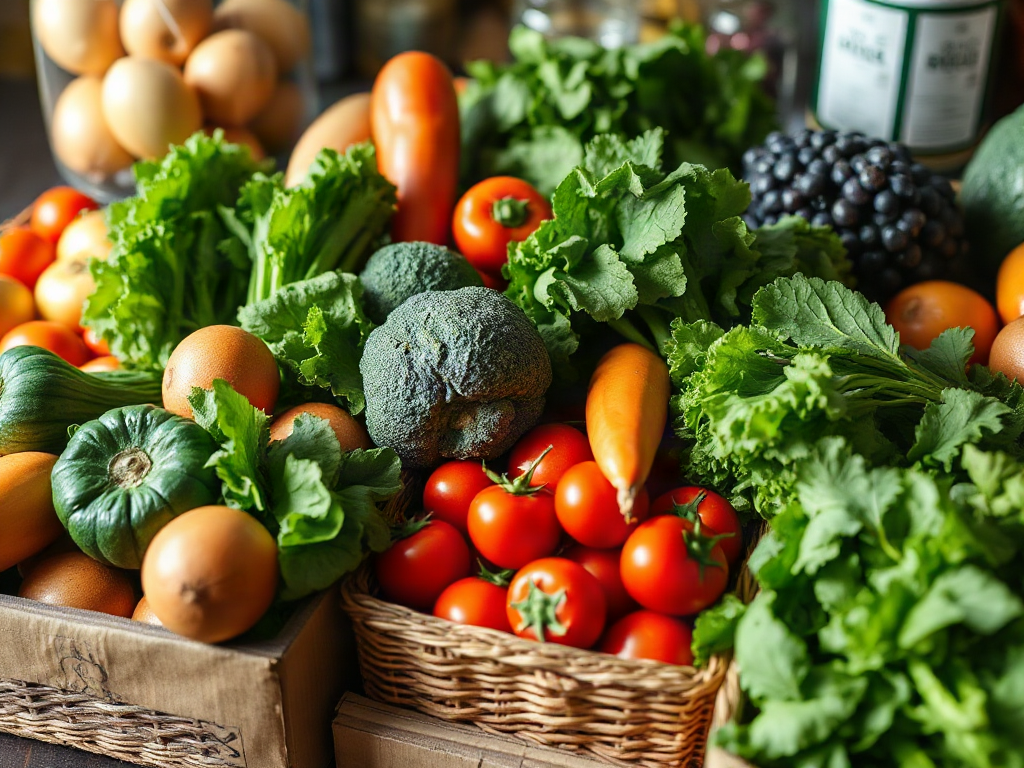
Local organic versus shipped organic freshness depends less on the organic label than on harvest timing, cooling, storage, and transit conditions. Local foods may reach you sooner and retain firmer texture, but a nearby item can lose quality if it sat unrefrigerated or was harvested too early. Shipped organic foods can remain fresh when growers cool them quickly, use protective packaging, and maintain a short, well-managed supply chain. Compare the item’s harvest or pack date, firmness, aroma, visible moisture, bruising, and storage needs rather than assuming local always wins. Buy local for delicate, in-season foods when turnover is clear; choose shipped options when handling and cold-chain control are stronger.
What Actually Determines Freshness
Freshness is governed by time, temperature, handling, and harvest maturity—not by distance alone. A locally grown organic tomato may travel only a short distance, yet lose quality if it was picked before developing full flavor, left in a warm vehicle, or stored for several days at a market. A shipped organic tomato may cross state lines but arrive in better condition if it was harvested at a suitable stage, rapidly cooled, packed to prevent crushing, and kept under appropriate conditions.
Different foods also show age in different ways. Leafy greens wilt as they lose water, berries become soft and leak juice, apples can remain firm for a long period under controlled storage, and root vegetables often tolerate transport better than delicate greens. Comparing local and shipped food without considering the crop creates a misleading result. The relevant question is whether the item’s handling matched its biology.
For shoppers comparing local organic versus shipped organic freshness, the most useful signals are condition and turnover. Look for crisp leaves, intact stems, dry berry containers, smooth skin, and a natural aroma. Avoid packages with pooled liquid, widespread bruising, condensation trapped around greens, or signs that soft produce has been repeatedly handled. Organic certification addresses production practices; it does not establish how recently an item was harvested or how carefully it was transported.
Storage after purchase can erase a freshness advantage quickly. Refrigerate foods that require chilling, keep ethylene-sensitive items away from high-ethylene fruits when practical, and avoid washing delicate produce until you are ready to use it if excess moisture encourages spoilage. A shopper who buys a very fresh local salad mix but leaves it in a hot car for an afternoon may end up with a poorer result than someone who receives a carefully chilled shipment.
When Local Food Has the Advantage
Local organic food is most likely to taste and feel fresher when it is seasonal, sold soon after harvest, and handled by a grower or retailer with visible product turnover. Delicate crops such as lettuce, herbs, spinach, peas, strawberries, and tender greens can benefit from a shorter route because their texture changes quickly after harvest. A farm stand receiving greens the same morning may offer better crispness than a distant supply chain that spends several days in packing, transport, and distribution.
Shorter distance also makes freshness easier to verify. You can ask when a crop was picked, see whether boxes are being replenished, and notice whether the seller keeps perishable items shaded or chilled. A community-supported agriculture box may provide excellent harvest proximity, but its quality still depends on pickup timing and home storage. If a box sits outdoors for hours during warm weather, the local advantage becomes much smaller.
Local does not automatically mean ripe, flavorful, or low-risk. Some growers harvest early to withstand market handling, while some small outlets have slower sales than larger retailers. Produce displayed in direct sun, stacked under heavy items, or stored without adequate ventilation may deteriorate despite its short journey. Ask specific questions instead of relying on signs such as “nearby,” “farm fresh,” or “picked locally.”
A useful local shopping routine is to buy fragile foods in quantities you can use within a few days, then choose sturdier crops for larger purchases. For example, buy local basil and berries in small amounts when turnover is high, while purchasing carrots, cabbage, or apples according to condition and storage life. The practical test is whether the item remains crisp and free of decay through the period when you plan to eat it.
One common mistake is treating harvest distance as a substitute for observing the food. A nearby box with bruised peaches is not fresher for your kitchen than a well-cooled shipment of firm peaches. Local sourcing can improve freshness, flavor, and transparency, but only when harvest timing and post-harvest handling support those outcomes.
Why Shipped Organic Can Still Be Fresh
Shipped organic food can retain good quality because commercial and direct-to-consumer supply chains often use rapid cooling, protective packaging, route planning, and storage conditions designed for particular crops. Distance creates more opportunities for delay, but it does not determine the outcome by itself. A shipment that moves promptly through a reliable cold chain may arrive in better condition than food that travels a short distance without temperature control.
Packaging has a specific job beyond presentation. Ventilated containers can reduce moisture buildup, cushioning can limit bruising, and breathable materials can help manage respiration in certain fruits and vegetables. Packaging that traps water around greens or forces ripe fruit against hard surfaces may accelerate decay. When a shipped order arrives, open it promptly, remove damaged pieces, and follow the storage instructions supplied by the grower or retailer.
Shipping is often a stronger option for foods that tolerate transport well. Citrus, apples, onions, potatoes, winter squash, cabbage, and firm root vegetables can remain useful after a longer route when they are harvested, cured, cooled, or stored appropriately. Fragile berries and tender herbs require more scrutiny because a small temperature or handling problem can become visible within hours.
Consider a box of organic greens delivered in an insulated package. If the leaves are crisp, the container is dry, and there is no sour odor, the shipment may be a sound purchase even if the farm is far away. If the package contains warm, collapsed leaves and heavy condensation, the distance may have exposed a weak point in the supply chain. Documenting the condition and checking the seller’s freshness policy can be more useful than assuming all shipped items are inferior.
Another weak assumption is that a long travel route always means lower nutrient quality. Nutrient changes vary by food, storage duration, temperature, and the nutrient involved. Freshness is easier for shoppers to judge through texture, aroma, color, and spoilage signs; nutrition should not be inferred from mileage alone. For a detailed comparison of local organic versus shipped organic freshness, evaluate the actual product and its handling history.
A Practical Buying Decision
The best choice depends on the crop, your use date, and the seller’s handling performance. A shopper buying ingredients for tonight’s salad should prioritize crispness and confirmed turnover. Someone planning a two-week pantry restock may reasonably choose shipped organic apples, onions, or squash if the items arrive in sound condition and have suitable storage instructions.
Use this compact inspection sequence before deciding:
- Match the crop to the route: favor short, quick turnover for berries, herbs, and tender greens; judge sturdy crops more by condition than mileage.
- Check physical signs: look for firmness appropriate to the food, intact skin, dry packaging, and no spreading mold or leaking juice.
- Ask about timing: find out when the item was harvested, packed, or received when that information is available.
- Plan storage immediately: refrigerate suitable foods, keep delicate items protected from crushing, and use fragile produce first.
- Track repeat performance: a seller that consistently delivers crisp, clean food is more reliable than a label or location claim.
Budget and access also matter. Local seasonal food may offer excellent quality but limited availability, while shipped food can provide a wider selection during an off-season period. A mixed strategy often makes sense: buy delicate seasonal items locally when turnover is visible, use shipped sources for crops with good storage resilience, and select conventional alternatives only according to your own preferences and budget rather than assuming distance proves quality.
Watch for signs that your purchasing method needs adjustment. Repeated wilted greens suggest a delay, weak cooling, or excessive home storage time. Frequent bruising points toward poor packing or overfilled bags. Mold appearing soon after purchase may reflect excess moisture, damaged pieces, or an already advanced age. Record which foods fail and when; replacing a weak source is more useful than broadly declaring local or shipped food superior.
The strongest decision rule is simple: choose the source that delivers the right crop in the best condition for your intended use, then protect that quality at home. Neither local sourcing nor shipping guarantees freshness. Harvest maturity, cooling, transit control, packaging, retail turnover, and your own storage habits determine whether the food performs well on the plate.
For practical storage and handling guidance, consult current information from the USDA, university extension programs, and food-safety organizations. These sources can help match refrigeration and handling practices to specific fruits and vegetables rather than applying one rule to every crop.
Frequently Asked Questions
Is local organic produce always fresher than shipped organic food?
No. Local food may have less transit time, but freshness also depends on harvest maturity, cooling, display conditions, and turnover. A well-managed shipment can outperform poorly handled local food.
Which foods benefit most from buying locally?
Delicate greens, herbs, berries, peas, and other tender crops often benefit when they are harvested recently and sold quickly. Inspect the actual item because local handling still varies.
Which organic foods usually tolerate shipping well?
Apples, citrus, onions, potatoes, cabbage, winter squash, and firm root vegetables generally tolerate transport better than fragile berries or tender herbs, provided they are packed and stored appropriately.
How can I tell whether shipped produce is still fresh?
Check firmness, aroma, color, dry packaging, intact skin, and the absence of leaking juice, widespread bruising, mold, or collapsed leaves. Open and store the order promptly.
Does organic certification guarantee better freshness?
No. Organic certification concerns production standards, not harvest date, transit duration, cooling, or retail turnover. Freshness must be judged through handling information and the food’s condition.
Conclusion
Local organic food can be the better freshness choice for delicate, seasonal crops when harvest timing and turnover are clear. Shipped organic food can be equally practical, and sometimes more reliable, when the seller uses sound cooling, protective packaging, and efficient delivery. Judge the food rather than the distance: inspect texture, moisture, bruising, aroma, and signs of decay, then consider how soon you will use it and how it must be stored. Buy fragile items in quantities that match your schedule, choose sturdier foods for longer storage, and keep notes on which sellers deliver consistent quality. A measured comparison of handling and condition produces better decisions than assuming local always wins or shipped always loses.