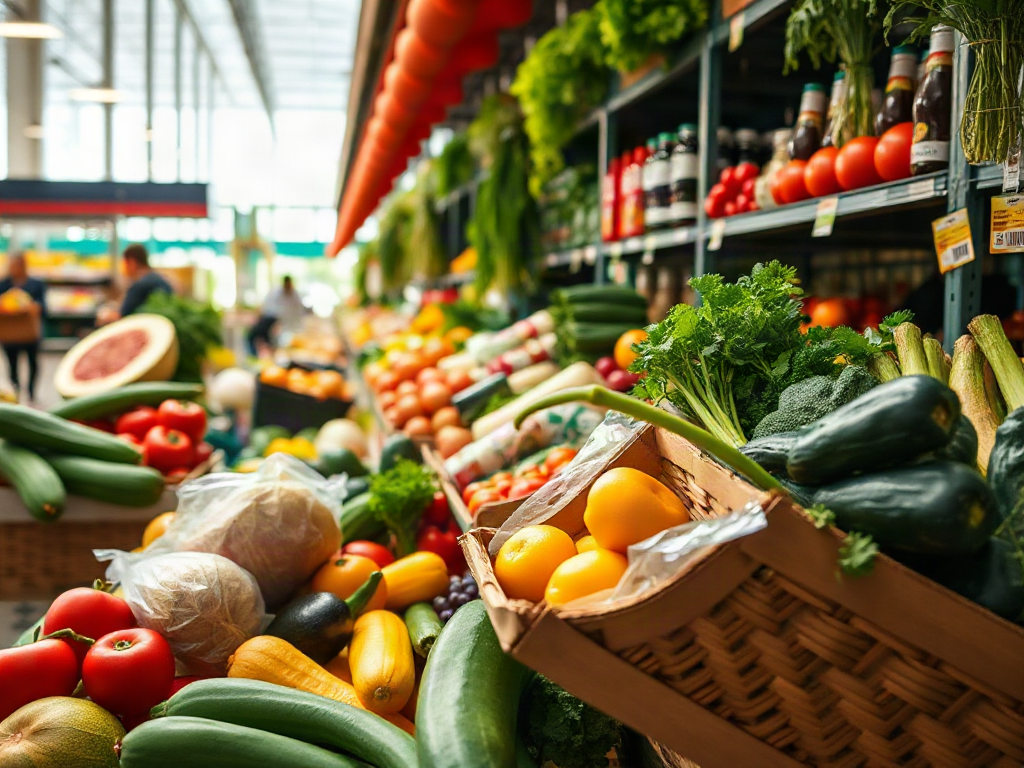
Farmers market versus supermarket organic produce is mainly a choice between direct farm information and dependable selection, with freshness, certification, price, and storage time shaping the better buy. Market vegetables may spend less time in transit, but quality varies by vendor and season; supermarket items usually offer standardized organic labeling, wider availability, and clearer package information. Ask farmers how crops were grown, harvested, and stored, while checking supermarket dates, appearance, and country-of-origin details. Neither outlet automatically delivers superior nutrition, so prioritize sound produce, safe handling, realistic portions, and the option you can buy consistently without exceeding your food budget.
What Each Shopping Channel Actually Offers
Farmers markets and supermarkets solve different shopping problems, even when both sell certified organic produce. A market connects shoppers with individual growers, seasonal harvests, and loose items such as bunches of kale, heirloom tomatoes, or freshly dug carrots. A supermarket provides predictable hours, year-round availability, packaged information, and a broader range of organic fruits and vegetables under one roof. The better option depends on whether the immediate priority is farm-level information, convenience, selection, or budget control.
A market purchase can involve fewer commercial steps between harvest and kitchen, but that is not guaranteed. A vendor may grow the crop nearby, buy it from another farm, or combine products from several sources. Asking where an item was grown and when it was harvested gives more useful information than assuming every market stall represents a small local farm. The same caution applies to appearance: unusually large or blemish-free vegetables do not prove superior quality, and irregular shapes do not indicate poor nutrition.
Supermarkets are often stronger when a household needs consistent ingredients. Someone preparing meals with organic spinach, apples, onions, and frozen vegetables may prefer one store visit rather than separate market trips. Packaged greens can also show handling instructions and sell-by information, although packaging does not eliminate spoilage risk. A supermarket’s organic section may include products from distant regions, which can extend the calendar for berries, greens, and citrus while increasing the time between harvest and purchase.
Readers comparing farmers market versus supermarket organic produce should separate three questions: who grew the item, how long it has been since harvest, and whether the item fits the week’s meals. A market is not automatically fresher, and a supermarket is not automatically lower quality. The useful comparison is item by item. A local summer tomato may favor the market, while packaged organic lentils, winter greens, or a reliable bag of apples may favor the supermarket.
Freshness, Handling, and Nutritional Value
Freshness is shaped by harvest timing, temperature, moisture, bruising, and transit rather than by the sales venue alone. Leafy greens lose quality quickly when warm, compressed, or left wet in a sealed container. Root vegetables generally tolerate storage better, while soft berries can deteriorate rapidly after picking. A market grower who harvested lettuce that morning may offer a fresher item than a supermarket case, but a well-managed supermarket shipment can still be crisp and sound.
Shorter time from harvest to eating may preserve desirable texture and some nutrients, especially in delicate produce, but shoppers should not treat freshness as a simple ranking of nutritional superiority. Variety, ripeness, storage, cooking, and the time before consumption all matter. A slightly older organic carrot that gets eaten is more useful nutritionally than a perfect bunch purchased impulsively and discarded. Whole produce also remains a strong practical choice compared with heavily sweetened or highly processed foods, regardless of where it was bought.
Use physical signs to judge the item in front of you. Greens should look reasonably lively rather than slimy or collapsed. Berries should not have leaking juice or visible mold. Broccoli florets should be firm, and cut surfaces should not appear excessively dried. Apples, pears, and citrus should feel appropriate for their variety without soft sunken spots. At a market, shade, ice, and clean display containers are reassuring handling signs. At a supermarket, chilled cases, intact packaging, and frequent stock rotation matter more than an attractive sign claiming local sourcing.
A common mistake is buying based on freshness in isolation. If a farmers market bunch is exceptionally delicate, plan to eat it first and store it properly rather than treating it like a durable cabbage. Conversely, do not reject supermarket vegetables simply because they traveled farther if they are firm, clean, and likely to be used. Consumers who want to compare both channels can buy the same type of leafy green from each, refrigerate both promptly, and observe texture and usable life over several days. That household test is more meaningful than a blanket claim about either venue.
Organic Labels, Vendor Questions, and Trust
Organic status and local sourcing describe different things. A certified organic item has been produced and handled under the applicable organic standards, while a nearby grower may use organic practices without holding certification or may use a different production system entirely. Farmers market language can therefore be less standardized than a supermarket package. Shoppers should not infer certification from phrases such as “natural,” “spray-free,” or “grown responsibly.” Those terms may reflect meaningful practices, but they do not carry the same defined meaning as an organic certification claim.
Direct conversation is the market’s strongest advantage. Ask what farm grew the produce, whether the item is certified organic, how pest management is handled, and when it was harvested. A useful vendor answer will be specific without promising that every crop is perfect. Some small farms may explain that they follow organic methods but are not certified; that information lets the shopper make a deliberate choice rather than an assumption. If a stall cannot identify the source of a product, its market location alone should not be treated as proof of local or organic production.
Supermarket labels are easier to compare quickly. Look for the organic claim, ingredient or origin information where relevant, and intact packaging. A store’s signage can group conventional and organic items together, so check the individual label or produce code instead of relying on shelf placement. “Organic” also does not mean pesticide-free, nutrient-dense in every comparison, or automatically fresher. It describes a production and handling standard, not a guarantee about flavor, storage life, or overall diet quality.
Shoppers sometimes assume that a personal relationship with a grower removes the need for food-safety habits. It does not. Rinse produce under running water before eating or cutting, keep raw animal foods separate during meal preparation, and refrigerate items that require chilling. Washing does not make spoiled produce safe, and organic status does not prevent contamination from soil, water, hands, transport containers, or kitchen surfaces. The practical benefit of asking questions is better information about sourcing and handling—not immunity from ordinary food-safety responsibilities.
Price, Seasonality, and a Practical Buying Method
Price comparisons become misleading when shoppers compare different sizes, varieties, or usable portions. A farmers market bunch may look more expensive than a supermarket bag but contain more edible leaves; a supermarket package may be cheaper per unit yet include wilted pieces that go unused. Compare price per edible amount when possible, then account for waste. A premium for local berries may be worthwhile during their short season, while supermarket frozen organic berries can be more practical for smoothies, oatmeal, or cooked sauces throughout the year.
Seasonality affects both value and quality. Market vendors usually reflect the crops currently growing in their region, so prices and selection can change from week to week. Supermarkets smooth out those changes through regional and international sourcing, but the result may be less local and may involve longer storage or transit. Neither approach is automatically preferable. A household with a limited budget can combine them: buy seasonal market items when flavor and freshness matter, then use supermarket staples, frozen vegetables, beans, and durable storage crops to fill nutritional and meal-planning gaps.
A practical comparison works best as a short decision sequence:
- Choose the meal first. Buy ingredients with a clear use within the next several days.
- Compare usable condition. Check firmness, bruising, mold, wilting, and expected storage life.
- Verify the claim. Ask a market vendor about certification and origin; read the supermarket label.
- Account for waste. A lower price is not a saving if half the package is discarded.
- Protect consistency. Select the source that fits the household’s schedule and budget often enough to support regular produce intake.
The common failure is chasing the theoretically best source while buying too little or wasting too much. A market may be ideal for a weekend shopper who enjoys cooking immediately, whereas a supermarket may suit someone with irregular work hours and limited storage time. Revisit the comparison by category rather than choosing one permanent winner. The best outlet for tomatoes, salad greens, and herbs may differ from the best outlet for potatoes, frozen peas, or organic apples.
Safety, Storage, and Everyday Meal Use
Storage decisions often determine whether a good purchase remains useful. Bring chilled produce home promptly, remove damaged pieces, and follow package instructions for ready-to-eat greens. Avoid washing items far ahead if excess moisture will accelerate spoilage; wash them before preparation unless the packaging specifically gives different directions. Keep refrigerator temperatures appropriately cold, and use a clean cutting board for produce. These steps apply equally to market and supermarket purchases because contamination and decay depend on handling after purchase as well as on the original source.
Match storage to the crop. Leafy greens generally benefit from gentle drying and breathable storage, while root vegetables may last longer in a cool, dark environment. Delicate herbs can be damaged by compression, and berries are best inspected promptly rather than forgotten at the back of the refrigerator. A market vendor may provide variety-specific advice that a package does not, but supermarket labels can be more useful for sealed salad mixes or cut produce with a use-by instruction. When uncertain, prioritize visible condition and consume highly perishable items first.
Meal planning exposes another difference between the two channels. Market shopping encourages flexible meals built around what looks best, such as roasted beets with lentils or a tomato-and-cucumber salad. Supermarket shopping supports repeatable recipes because the same items are often available every week. A balanced approach might reserve the market for one or two inspiring seasonal ingredients and use the supermarket for the base foods needed to complete meals. That reduces the risk of buying attractive produce without a realistic preparation plan.
Organic produce should still be washed, inspected, and handled carefully, and it should not replace variety across the diet. Include different colors and types of vegetables and fruits, along with whole-food protein and fiber sources such as beans, nuts, seeds, eggs, or whole grains as appropriate to the household. For more context on evaluating purchases, see this comparison of organic shopping decisions and practical organic nutrition planning. The signal that a shopping strategy is working is simple: sound produce is eaten on schedule, meals remain affordable, and waste stays manageable.
For current information about organic labeling and safe produce handling, consult the United States Department of Agriculture and the Food and Drug Administration, along with local university extension programs. These sources can clarify certification terms, washing guidance, storage practices, and seasonal growing information without treating one retail channel as universally superior.
Frequently Asked Questions
Is farmers market produce fresher than supermarket organic produce?
It may be, especially when a grower harvested it recently and kept it cool, but freshness depends on harvest timing, handling, and storage rather than venue alone.
Does farmers market produce count as organic?
Not automatically. Ask whether the farm is certified organic and how the crop was grown. Local, natural, or spray-free descriptions do not by themselves establish organic certification.
Which option is usually cheaper?
It varies by crop, season, package size, and waste. Compare the price of the usable portion, not just the shelf price, and include frozen options when appropriate.
Does organic produce contain more nutrients?
Organic status should not be treated as a guarantee of higher nutrient content. Variety, ripeness, storage, preparation, and whether the food is actually eaten also affect dietary value.
What should I ask a farmers market vendor?
Ask where the item was grown, when it was harvested, whether the farm is certified organic, and how the crop was handled after picking.
Conclusion
The better choice between a farmers market and a supermarket is the one that delivers sound produce, trustworthy information, manageable cost, and a realistic chance of being eaten. Use markets for direct questions, seasonal variety, and potentially short harvest-to-kitchen time. Use supermarkets for reliable availability, packaged details, frozen options, and efficient routine shopping. Check condition rather than assuming local means fresher or organic means nutritionally superior. A useful next step is to compare a few categories separately, such as greens, tomatoes, apples, and frozen vegetables, while tracking price, storage life, and waste for a week or two. That evidence will produce a more accurate household decision than any universal winner.