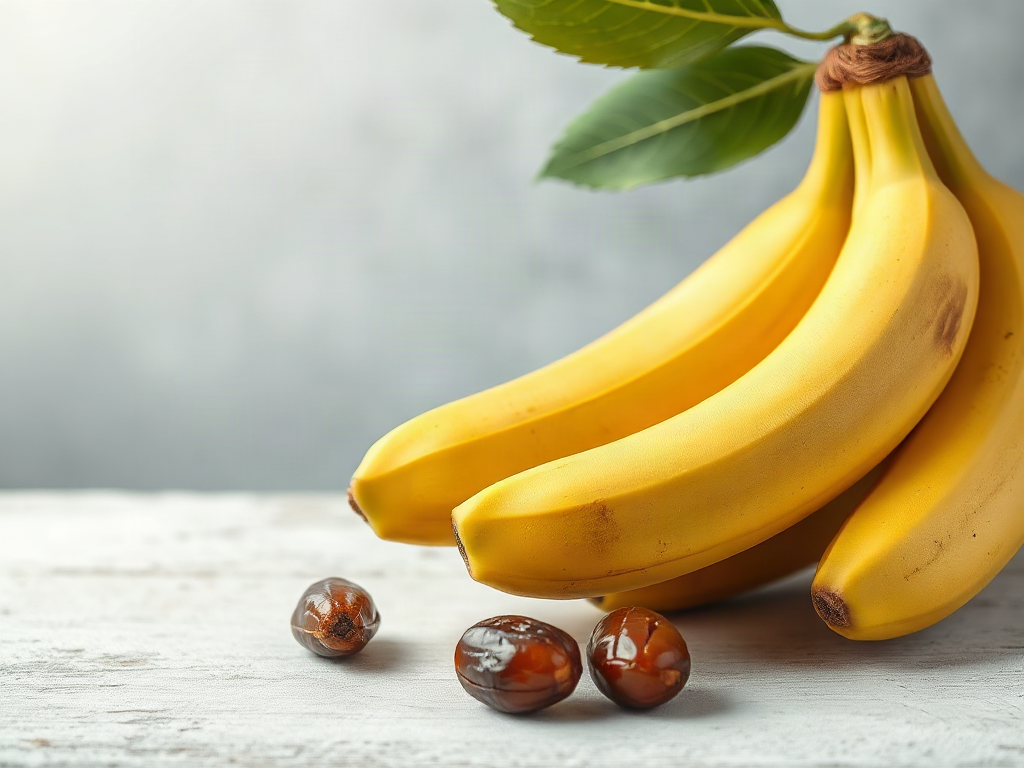
Organic bananas and dates both provide natural sweetness, but bananas are better for moisture, volume, and a milder flavor, while dates deliver more concentrated sweetness, chewiness, and caramel-like depth. A ripe banana works well in oatmeal, smoothies, pancakes, and soft baked goods; dates suit energy bites, dense bars, sauces, and fillings. Because dried dates contain less water, a small portion contributes more sugar and calories than the same weight of banana. Neither fruit is automatically “sugar-free” in a recipe, and replacing refined sugar successfully requires accounting for liquid, texture, ripeness, and portion size.
How Do Bananas and Dates Sweeten Food Differently?
Ripeness and water content determine how these fruits behave more than their shared reputation as natural sweeteners. A banana becomes sweeter and softer as its starches break down during ripening. Brown speckles usually signal stronger sweetness and easier mashing, although a heavily browned fruit may contribute a pronounced banana aroma that dominates delicate recipes.
Dates are already concentrated because much of their water has been removed naturally or during postharvest drying. Their dense flesh delivers sweetness in a smaller volume, along with a caramel-like flavor and sticky structure. Soft varieties can blend into a paste after their pits are removed; firmer dates may need a brief soak in warm water. Soaking improves blending but does not remove the fruit’s naturally occurring sugars.
| Decision Factor | Ripe Banana | Dates |
|---|---|---|
| Sweetness intensity | Mild to moderately sweet | Concentrated and pronounced |
| Water contribution | High; adds moisture | Low unless soaked or blended with liquid |
| Texture | Soft, smooth, and bulky | Sticky, dense, and chewy |
| Dominant flavor | Distinctly fruity | Caramel-like and earthy |
| Useful applications | Smoothies, oatmeal, pancakes, quick breads | Bars, bites, fillings, sauces, dense desserts |
A common mistake is treating either fruit as a cup-for-cup replacement for granulated sugar. Sugar contributes dry mass and affects browning, spread, and structure; banana puree adds substantial water, while date paste adds both moisture and fiber-rich solids. A cookie formula, for example, may become cakey with banana or heavy with too much date paste. The fruit can still work, but the surrounding ingredients often need adjustment.
Choose by the role the sweetener must perform. Use banana when a dish benefits from softness, volume, and extra moisture. Use dates when a smaller amount of an intensely sweet, binding ingredient is useful. The approach is working when the food remains balanced rather than merely tasting sweet: oatmeal should not become watery, a snack bite should hold together without feeling gummy, and baked batter should retain the expected spoonable or pourable consistency.
Which Fruit Fits Your Nutrition Priorities?
Whole bananas and whole dates retain fiber and a wider food matrix than table sugar, but that distinction does not make portions irrelevant. The two fruits differ substantially in water concentration. Fresh banana contains considerable water and occupies more space, whereas dried dates pack more carbohydrate, sugar, and energy into the same weight.
That concentration matters in ordinary eating. One banana can add bulk to a bowl of plain yogurt or oatmeal, making the serving feel substantial. Several dates are much smaller and easy to eat quickly, especially when chopped into granola or blended into a drink. Dates may therefore be useful when compact energy is wanted, while banana may be easier to fit into a meal where volume and hydration are desirable.
Both foods supply fiber and potassium, although exact amounts vary by cultivar, size, ripeness, and serving. Dates also contribute minerals such as copper, while bananas are associated with vitamin B6. Nutrient databases are more useful than broad claims of superiority because the serving must be defined first. Comparing one banana with one date is misleading: those units differ greatly in weight. Comparing equal weights clarifies concentration, but comparing the portions actually eaten is usually more practical.
The term “natural sweetness” can also hide an important limitation. Blending or mashing fruit does not turn its sugars into added sugar by itself, but it makes the food easier to consume and may reduce the texture that slows eating. Date syrup is further removed from intact fruit and may not retain the same fiber profile as whole dates or homemade paste. Product labels should be checked for added sweeteners, especially on packaged banana puree, date spreads, bars, and flavored powders.
People who monitor carbohydrate intake or blood glucose should not assume that a date-based dessert has little dietary impact simply because it lacks refined sugar. The full serving, other ingredients, and individual health needs remain relevant. Pairing either fruit with foods containing protein or fat—such as plain yogurt, nuts, or seed butter—can create a more rounded snack, but it is not a treatment strategy. Personalized dietary decisions related to diabetes or other medical conditions belong with a qualified clinician or registered dietitian.
When Should You Use Bananas or Dates in Recipes?
Recipe structure should decide the fruit, not a blanket belief that one is healthier or more versatile. Banana puree is particularly effective where tenderness is welcome. Stirring half a mashed ripe banana into hot oats can provide sweetness and creaminess without requiring a concentrated paste. In pancakes or quick bread, it can replace part of the sweetener and some wet ingredient, but excessive puree may produce a damp center.
Dates excel when binding and concentrated flavor matter. For no-bake bites, pitted dates can help nuts, oats, and seeds hold together. In a sauce, softened dates can be blended with enough water to reach the desired consistency. They are less successful when a recipe requires a neutral sweetener or a crisp, light texture. Pieces of date may remain chewy if the blender is weak or the fruit is dry.
A Practical Substitution Check
- Identify the target texture. Choose banana for soft and moist results; consider dates for dense and cohesive mixtures.
- Assess flavor tolerance. Banana remains recognizable, while dates add darker caramel notes.
- Adjust liquid gradually. Reduce another liquid when adding banana puree, or add water sparingly when making date paste.
- Test sweetness before baking. Fruit ripeness and date variety can change the result, so fixed ratios are unreliable across recipes.
- Watch the finished structure. Gumminess, poor rise, excessive spreading, or a wet center signals that the substitution changed more than sweetness.
Small trials are safer than replacing all the sugar in an unfamiliar baking formula. Begin by modifying a forgiving preparation such as oatmeal, a smoothie, or an unbaked snack mixture. Yeasted breads, crisp cookies, candies, and delicate cakes depend more heavily on sugar’s structural behavior and are less tolerant of fruit puree substitutions.
Storage also affects the choice. Peeled ripe bananas can be frozen for later blending, though thawed fruit releases liquid and should be measured with that liquid included. Dates keep longer when sealed against drying, but they should still be inspected for off odors, unusual discoloration, or pest damage. Remove every pit before blending; a missed pit can damage equipment and leave hard fragments in the food.
Does the Organic Label Change the Choice?
Organic certification describes how a food was produced and handled; it does not establish that organic bananas or dates are sweeter, lower in sugar, or nutritionally superior. Flavor depends more directly on cultivar, maturity, storage, and condition. A ripe conventional banana may taste sweeter than an underripe organic one, and a fresh, soft date may blend better than an old organic package that has dried out.
The label may still matter to shoppers who prefer certified organic production practices. In the United States, an organic claim on packaged food should be understood through the USDA organic program rather than interpreted as a broad health guarantee. Certification does not remove the need to check ingredient lists. A product called an organic date spread could contain additional ingredients, and an organic banana snack may include oil, sweeteners, or flavorings.
Fresh bananas have thick peels that are generally discarded, while dates are eaten with their skins. That difference may influence a personal buying preference, but it does not justify assuming either choice is risk-free or categorically better. Wash hands and preparation surfaces, avoid using damaged fruit, and follow package storage directions. Organic foods are still perishable foods and can deteriorate when handled poorly.
Budget and availability deserve equal weight. If organic dates are costly, using a smaller amount for flavor alongside oats or nuts may be more workable than making them the bulk of a recipe. If ripe organic bananas are discounted, freezing peeled portions can reduce waste. Conversely, buying more bananas than can be eaten or frozen is not economical merely because the price per piece is low.
A useful buying priority is condition first, intended use second, certification preference third. Select bananas at the ripeness needed for the planned day: firmer fruit for later eating and spotted fruit for immediate mashing. Choose dates that are pliable for blending or intentionally drier for chopping, with intact packaging and a clear ingredient list. The organic seal can then distinguish between otherwise suitable options without being asked to predict sweetness, recipe performance, or health effects that it does not guarantee.
Conclusion
Let the finished food determine the choice. Ripe banana belongs in preparations that benefit from moisture, volume, and a gentle fruit flavor. Dates make more sense when compact sweetness, chewiness, or binding power is needed. Compare realistic portions, particularly because dried fruit is more concentrated than fresh fruit, and do not treat either option as nutritionally interchangeable with an unlimited amount of sugar.
For a new recipe, test a small batch and track three signals: batter consistency, flavor balance, and finished texture. Reduce or add liquid gradually instead of relying on a universal substitution ratio. When shopping, prioritize sound fruit, suitable ripeness, and a simple ingredient list; use organic certification as a production preference rather than proof of extra sweetness or superior nutrition.
Frequently Asked Questions
Are dates sweeter than bananas?
Dates generally taste sweeter because their sugars are concentrated in relatively little water. Ripeness and variety still affect both fruits, so taste before setting a recipe amount.
Can banana replace date paste in a recipe?
Sometimes, but banana adds more water and less stickiness. It works better in oatmeal, smoothies, and soft batters than in bars or bites that depend on date paste for binding.
Do dates or bananas have less sugar?
Fresh banana is less sugar-dense by weight because it contains more water. The meaningful comparison is the portion actually eaten, not one fruit versus one fruit.
Is date syrup the same as whole dates?
No. Processing and filtration can change texture and fiber content. Check the ingredient list and nutrition label rather than assuming syrup has the same food matrix as intact dates.
Which fruit is better in a smoothie?
Banana creates a lighter, creamier drink, especially when frozen. Dates add stronger sweetness and caramel flavor but need thorough blending and may make the smoothie denser.