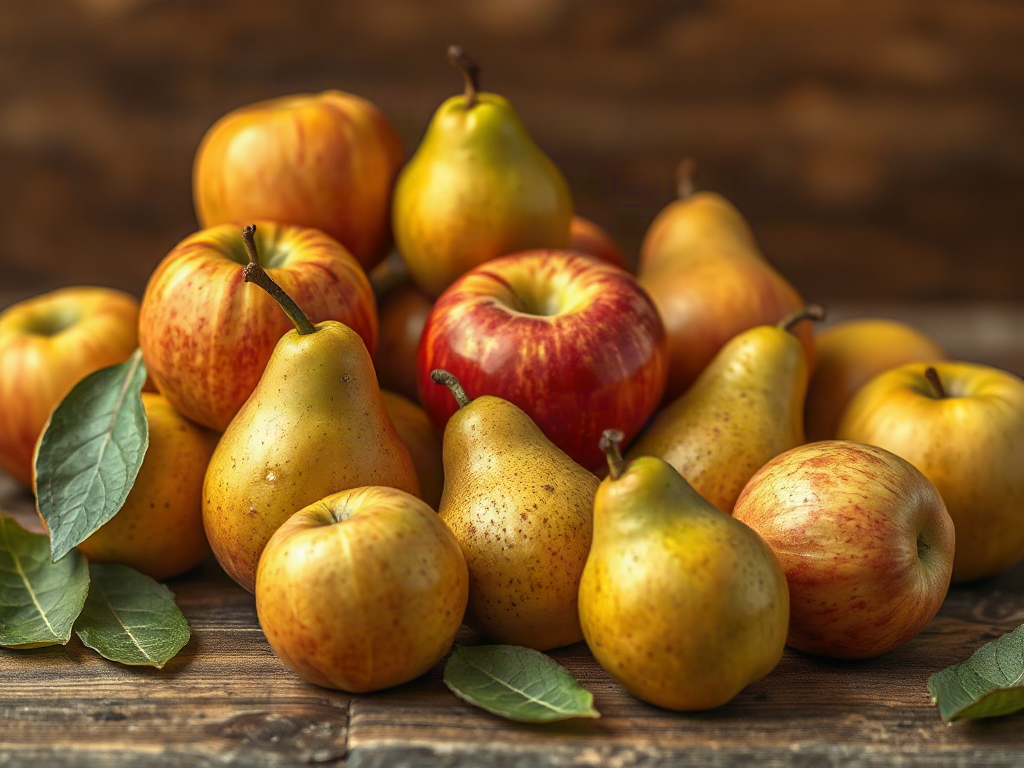
Pears generally provide more fiber than apples, while organic production does not inherently raise the fiber content of either fruit. A medium pear with its skin typically supplies about 5–6 grams of fiber, compared with roughly 4–5 grams in a medium skin-on apple, although size and variety affect the total. Both contain soluble and insoluble fiber, and keeping the peel usually matters more than choosing organic or conventional produce. Choose pears when maximizing fiber per whole fruit is the priority, but favor the fruit you will eat consistently and wash it under running water before eating.
Which Fruit Has More Fiber?
Pears usually lead the whole-fruit comparison because a typical medium pear contains roughly 5–6 grams of dietary fiber, while a medium apple commonly contains about 4–5 grams. These are practical estimates rather than fixed values: fruit size, cultivar, edible weight, and whether the skin remains attached all influence the amount actually eaten. A large apple may contain more fiber than a small pear, so the fruit name alone does not settle every serving-level comparison.
Both fruits contain a mixture of soluble and insoluble fiber. Soluble fiber includes pectin, a carbohydrate that absorbs water and is fermented to varying degrees by intestinal microbes. Insoluble fiber adds bulk and helps food move through the digestive tract. The proportions are not identical in every variety or stage of maturity, but both apples and pears can contribute meaningfully to daily fiber intake when eaten whole.
| Comparison point | Medium pear with skin | Medium apple with skin |
|---|---|---|
| Approximate fiber | About 5–6 grams | About 4–5 grams |
| Practical advantage | More fiber in a typical whole fruit | Often firmer and easier to store or pack |
| Texture when ripe | Soft and juicy | Crisp to firm, depending on variety |
| Main variable to check | Ripeness and bruising | Fruit size and skin removal |
The difference is useful but not large enough to make apples a poor fiber choice. Someone who eats an apple most days will generally obtain more dietary fiber over time than someone who buys pears for their higher number but lets them become overripe. Frequency, portion size, and the rest of the meal often matter more than a difference of roughly one gram per fruit.
Comparisons by volume can also mislead. A cup of chopped fruit does not necessarily contain the same edible weight as one whole piece, and thin apple slices may pack differently from pear chunks. For consistent tracking, use the edible weight and nutrient data for the specific form being eaten. For ordinary meal planning, the simpler rule is sufficient: a similar-sized pear usually wins on fiber, while either intact fruit is a worthwhile source.
Does Organic Production Change the Fiber Content?
Organic certification describes how a fruit was produced and handled; it is not a guarantee of higher fiber. Fiber is part of the fruit’s plant structure, and its measured amount is shaped more directly by variety, maturity, size, growing conditions, water content, and the portion consumed. An organic apple does not automatically contain more fiber than a comparable conventional apple, and the same limitation applies to pears.
The organic label can still matter for purchasing values. A shopper may prefer production practices governed by organic standards or wish to support a particular farm. Those are legitimate selection criteria, but they should remain separate from the narrower nutrient comparison. Treating the label as evidence of a specific fiber advantage creates a claim that the label itself does not establish.
A useful store-level comparison begins with like-for-like fruit. Compare an organic Bartlett pear with a conventional Bartlett pear of similar size and ripeness, rather than placing a large organic pear beside a small conventional apple. Even then, a nutrition database provides an average, not a laboratory result for the individual fruit in the basket. Natural variation remains.
Price is another practical constraint. If the organic option costs enough to reduce how often fresh fruit appears at home, conventional apples or pears may be the more effective fiber purchase. Washing conventional and organic fruit under clean running water helps remove soil and surface debris. Soap, bleach, and household detergents are not intended for washing produce and may leave unwanted residues.
The common mistake is paying a premium while overlooking the serving itself. A peeled organic apple may deliver less fiber than a similar skin-on conventional apple because some fiber is removed with the peel. Likewise, organic pear juice does not preserve the fiber profile of a whole pear. When fiber is the deciding goal, prioritize whole form, edible skin, suitable ripeness, and a price that supports regular consumption; choose organic when its production attributes are also worth the cost to you.
Why Do Skin, Ripeness, and Form Matter?
Preparation can change the practical fiber value more than the organic label does. Apple and pear skins contain fiber, so peeling removes part of what the whole fruit would have supplied. The flesh still contributes fiber, meaning a peeled fruit is not fiber-free, but routinely discarding the skin narrows the benefit of choosing either option.
Keep the peel when it is comfortable and appropriate to eat. Rinse the fruit under running water, rub the surface with clean hands, and cut away damaged or moldy areas. People who find pear skin gritty can try a thin-skinned variety or dice the fruit finely into oatmeal or yogurt rather than peeling it automatically. For young children or anyone with chewing or swallowing limitations, texture and safe preparation take priority; cutting, cooking, or peeling may be appropriate even when it reduces fiber somewhat.
Ripening softens fruit because cell-wall components change as the fruit matures, but ordinary ripening does not turn a pear into a low-fiber food. The more relevant problem is usability. An underripe pear may be too firm and bland to eat, while an overripe one can become watery, bruised, or fermented in flavor. Pears are often bought firm and allowed to ripen at room temperature, then refrigerated once they yield gently near the stem. Apples generally tolerate refrigeration for longer and suit shoppers who need a durable grab-and-go fruit.
Processing creates a clearer nutritional divide. Whole fruit retains its fibrous structure; unsweetened applesauce and pear purée retain some fiber but require less chewing and are easier to consume quickly. Clear juices contain little dietary fiber because much of the pulp has been removed. Dried apples and pears retain fiber in a concentrated form, yet their smaller volume makes large portions easy to eat. Check for added sugar and treat the serving size as dried fruit, not as an equal-volume substitute for fresh pieces.
A practical priority order keeps the comparison focused:
- Choose whole fruit most often. Intact flesh and skin preserve more of the original structure.
- Retain edible skin when suitable. Wash it rather than peeling by default.
- Buy a usable stage of ripeness. Fruit that spoils before it is eaten provides no dietary value.
- Use juice for flavor, not as a fiber equivalent. It should not be counted as interchangeable with whole fruit.
Signs that the approach is working are simple: the fruit is eaten before spoiling, it replaces a lower-fiber snack, and intake rises gradually without persistent discomfort. A sudden jump in fiber without enough fluid may contribute to bloating or changes in bowel habits for some people. Increase portions progressively if current fiber intake is low, and seek individualized medical advice for persistent digestive symptoms or a condition requiring a modified-fiber diet.
How Should You Choose Apples or Pears for Daily Meals?
Choose pears when the immediate goal is obtaining the most fiber from one typical piece of fruit, and choose apples when durability, crisp texture, or longer storage makes regular eating more likely. This is a practical decision rather than a verdict that one fruit is universally superior. Rotation can provide texture and flavor variety without turning a modest nutrient difference into an unnecessary restriction.
For breakfast, a diced skin-on pear works well in oatmeal because its softer flesh releases juice as it warms. An apple may hold its shape better in overnight oats or a packed container. At lunch, apple wedges are often more resistant to crushing, while a ripe pear needs protection from pressure. Pairing either fruit with plain yogurt, nuts, seeds, or another protein-containing food creates a more substantial snack than fruit juice or sweetened fruit products alone.
Household timing should influence the purchase. Buy several firm pears only if there is room to ripen them and someone will check them daily; otherwise, they may move from hard to overripe before use. Apples are often the lower-waste option for infrequent shoppers because they store well under refrigeration. A mixed purchase can solve both problems: eat ripe pears first and reserve chilled apples for later in the week.
Use the following checks at the store:
- Select fruit without active mold, leaking areas, or extensive broken skin.
- Match ripeness to the planned eating day, especially for pears.
- Compare price per usable amount rather than assuming the largest fruit is best.
- Prefer whole fruit over juice when fiber is the purchasing objective.
- Treat organic certification as a production choice, not a fiber score.
Digestive tolerance can change the decision. Apples and pears contain fermentable carbohydrates that may cause gas, discomfort, or loose stools in some sensitive people, particularly in larger portions. That response does not mean the fruit lacks nutritional value, but it may make smaller servings, a different fruit, or professional dietary guidance more appropriate. People managing irritable bowel symptoms, diabetes, swallowing difficulties, or medically prescribed fiber limits should not rely solely on a general fruit ranking.
The weakest strategy is chasing the highest number while ignoring the rest of the diet. One pear cannot compensate for a pattern low in legumes, vegetables, whole grains, nuts, and seeds. Apples and pears work best as convenient contributors within that broader mix. If budget allows and organic practices are a priority, choose organic confidently—but make the fiber decision based on form, skin, portion, tolerance, and whether the fruit will actually be eaten.
Conclusion
Pears have a modest edge when comparing similarly sized, skin-on whole fruits, but purchasing and preparation choices determine whether that advantage reaches the plate. Keep edible peels when suitable, favor whole fruit over clear juice, and match ripeness to when the fruit will be eaten. Organic certification may align with personal farming and production preferences, yet it should not be treated as proof of additional fiber.
For a practical next step, buy one or two pears for the next few days and refrigerate apples for later use. Pair either fruit with meals or snacks that include other fiber sources rather than depending on a single food. If larger fruit portions produce persistent digestive discomfort, reduce the serving and discuss individualized needs with a qualified healthcare professional or registered dietitian.
Frequently Asked Questions
Do organic pears have more fiber than organic apples?
A typical medium pear has about one gram more fiber than a typical medium apple. Fruit size and whether the peel is eaten can narrow or reverse that serving-level difference.
Does peeling an apple or pear remove all of its fiber?
No. The flesh still contains fiber, but peeling removes a fiber-containing part of the fruit. Keep the washed skin when it is safe and comfortable to eat.
Is pear or apple juice a good source of fiber?
Juice generally contains much less fiber than whole fruit because processing removes most of the pulp. Smooth purées retain more fiber than clear juice but do not preserve the same intact structure.
Are cooked apples and pears still useful for fiber?
Yes. Cooking softens the fruit but does not remove all of its fiber. Peeling, straining, and discarding cooking liquid or pulp can reduce the amount retained in the finished dish.
Should I buy organic fruit if fiber is my only priority?
Not necessarily. Organic certification does not guarantee extra fiber. Buy the whole apples or pears that fit your budget, keep the edible skin when appropriate, and choose a quantity you can use before spoilage.