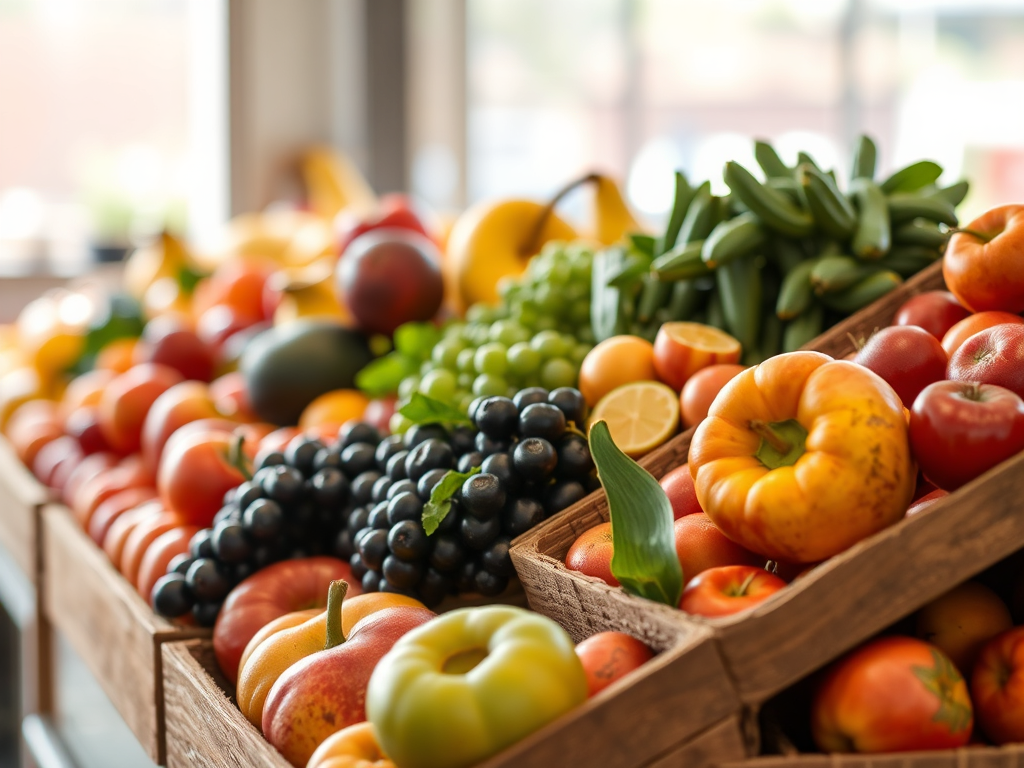
Common mistakes when buying organic fruits include failing to check labels, overlooking seasonal availability, and neglecting to inspect for freshness. Many consumers assume that all organic fruits are pesticide-free, which is not always the case. Additionally, buying out-of-season fruits can lead to higher costs and lower quality. It's essential to prioritize local sources and understand that organic does not always equate to better taste or nutrition.
Understanding Organic Labels
One of the most common mistakes when buying organic fruits is misunderstanding the various organic labels. Many consumers assume that any product labeled ‘organic’ is free from pesticides and chemicals. However, organic farming allows for the use of certain pesticides, albeit from natural sources. It’s crucial to familiarize yourself with different organic certifications, such as USDA Organic, which indicates that the product meets specific standards.
Another common misconception is that organic fruits are always fresher or healthier. While organic farming practices can lead to better soil quality, which may enhance nutritional content, this isn’t guaranteed. Always check for third-party certifications and understand what the label truly signifies.
In addition, organic labels can sometimes be misleading. For instance, a product can be labeled ‘made with organic ingredients’ without being entirely organic. This can lead to confusion about the actual benefits of the fruits you’re purchasing. Consumers should remain vigilant and conduct research to ensure they are making informed choices.
Understanding Organic Labels matters because it turns common mistakes when buying organic fruits from a broad idea into a decision the reader can actually apply. The practical difference usually shows up in the details: how much is needed, when the choice is made, what tradeoff is acceptable, and what sign shows the approach is working. For nutrition topics, the strongest advice connects portion size, food quality, timing, and recovery instead of treating every meal as a fixed serving.
A useful way to handle this section is to compare the normal baseline with the situation that creates extra demand. If organic is the baseline concern, then fruits becomes the adjustment point and mistakes becomes the outcome to watch. That keeps the advice specific without forcing the reader into a rigid formula that may not fit their routine, budget, tolerance, schedule, or current level of experience.
The most common mistake is changing too many variables at once. A better approach is to choose one measurable adjustment, use it consistently long enough to see a pattern, and then refine the next step based on energy, comfort, performance, safety, or reliability. This makes the guidance easier to trust because the reader can connect the recommendation to what they observe rather than guessing from a generic checklist.
The practical takeaway is to make the section actionable: identify the main constraint, choose the smallest useful change, and compare the result against the goal. When the outcome improves, the reader can keep the approach. When it does not, the next change should target the most likely bottleneck rather than repeating the same step with more effort.
The Importance of Freshness
Freshness is a critical factor when purchasing organic fruits. Many consumers overlook this aspect, assuming that organic fruits are always fresh. However, organic fruits can spoil just as quickly as conventional ones. It’s essential to inspect the fruits for any signs of spoilage, such as bruises, soft spots, or discoloration.
Moreover, the way organic fruits are handled and stored can significantly impact their freshness. For instance, fruits that are not refrigerated properly may spoil faster. When shopping, consider the store’s reputation for handling fresh produce and how often their inventory is rotated.
Another mistake is failing to ask questions about the sourcing of the fruits. Knowing where the fruits come from and how they are handled can give you insights into their freshness. If possible, inquire about the delivery schedule to ensure you are buying fruits that have recently arrived.
The Importance of Freshness matters because it turns common mistakes when buying organic fruits from a broad idea into a decision the reader can actually apply. The practical difference usually shows up in the details: how much is needed, when the choice is made, what tradeoff is acceptable, and what sign shows the approach is working. For technology topics, the strongest advice connects the user goal, system constraint, maintenance burden, and measurable outcome.
A useful way to handle this section is to compare the normal baseline with the situation that creates extra demand. If fruits is the baseline concern, then organic becomes the adjustment point and freshness becomes the outcome to watch. That keeps the advice specific without forcing the reader into a rigid formula that may not fit their routine, budget, tolerance, schedule, or current level of experience.
The most common mistake is changing too many variables at once. A better approach is to choose one measurable adjustment, use it consistently long enough to see a pattern, and then refine the next step based on energy, comfort, performance, safety, or reliability. This makes the guidance easier to trust because the reader can connect the recommendation to what they observe rather than guessing from a generic checklist.
Seasonal Considerations
Buying organic fruits out of season is a common pitfall that can lead to disappointment. Out-of-season fruits are often imported from faraway places, which can affect their taste, texture, and nutritional value. When fruits are shipped long distances, they may be picked before they are fully ripe, resulting in a less flavorful product.
Additionally, out-of-season fruits tend to be more expensive due to transportation costs. Familiarizing yourself with the seasonal availability of various fruits can help you make better purchasing decisions. For example, berries are typically in season during the summer months, while citrus fruits are best in winter.
By focusing on seasonal fruits, you can not only enjoy better quality but also support local farmers and reduce your carbon footprint. Local farmers’ markets often feature organic fruits that are in season, providing an excellent opportunity to purchase fresh produce.
Seasonal Considerations matters because it turns common mistakes when buying organic fruits from a broad idea into a decision the reader can actually apply. The practical difference usually shows up in the details: how much is needed, when the choice is made, what tradeoff is acceptable, and what sign shows the approach is working. For nutrition topics, the strongest advice connects portion size, food quality, timing, and recovery instead of treating every meal as a fixed serving.
A useful way to handle this section is to compare the normal baseline with the situation that creates extra demand. If fruits is the baseline concern, then organic becomes the adjustment point and buying becomes the outcome to watch. That keeps the advice specific without forcing the reader into a rigid formula that may not fit their routine, budget, tolerance, schedule, or current level of experience.
Buying from Local Sources
Opting for local sources when purchasing organic fruits can significantly enhance your shopping experience. Many consumers make the mistake of only shopping at large grocery stores, which may not always offer the best selection of organic fruits. Local farmers’ markets, co-ops, and community-supported agriculture (CSA) programs often provide fresher options at competitive prices.
Buying locally not only supports your community but also gives you access to fruits that are in-season and freshly harvested. Additionally, local vendors are often more knowledgeable about their products and can provide insights into how the fruits are grown and harvested.
Another advantage of buying from local sources is the potential for better taste. Many consumers report that locally sourced organic fruits taste better than those found in grocery stores, which can be attributed to their freshness and the variety of fruits grown in your region. Always take the time to explore local options and make connections with farmers to enhance your organic fruit shopping experience.
Buying from Local Sources matters because it turns common mistakes when buying organic fruits from a broad idea into a decision the reader can actually apply. The practical difference usually shows up in the details: how much is needed, when the choice is made, what tradeoff is acceptable, and what sign shows the approach is working. For gardening topics, the strongest advice connects soil conditions, plant needs, timing, and observable growth signals.
A useful way to handle this section is to compare the normal baseline with the situation that creates extra demand. If fruits is the baseline concern, then organic becomes the adjustment point and local becomes the outcome to watch. That keeps the advice specific without forcing the reader into a rigid formula that may not fit their routine, budget, tolerance, schedule, or current level of experience.