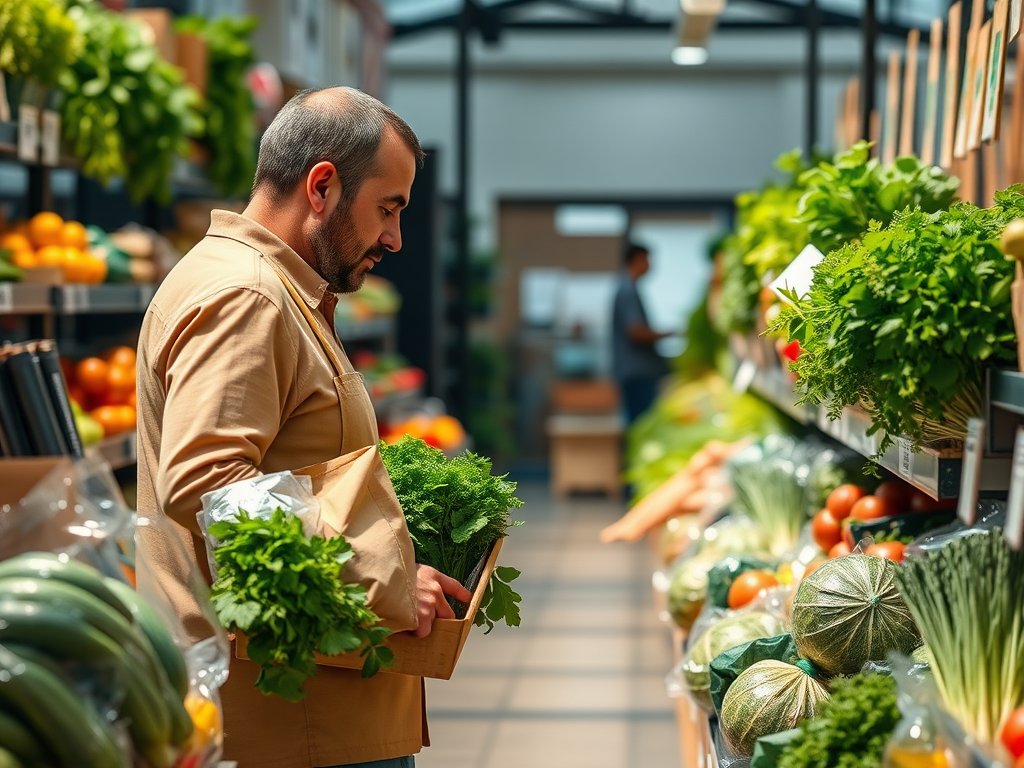
To recognize organic food scams, look for misleading labels, lack of certification, and inflated prices. Genuine organic products typically have a USDA Organic seal, and reputable brands provide clear information about their sourcing and production practices. Be cautious of vague claims like 'natural' or 'eco-friendly' that do not meet official organic standards. Always verify the authenticity of the label and the company's transparency to avoid falling for scams.
Understanding Organic Certification
Organic certification is a crucial element in confirming the authenticity of organic food products. In the United States, the USDA regulates organic labeling through strict guidelines that farmers and manufacturers must adhere to. These guidelines ensure that products labeled as organic are grown and processed without synthetic fertilizers, pesticides, or genetically modified organisms (GMOs).
To be recognized as organic, food products must meet specific criteria, including soil health, pest management, and biodiversity. The USDA Organic seal is a clear indicator that a product has passed the necessary inspections and adheres to these standards. Without this certification, there’s a significant risk of encountering scams. Consumers should familiarize themselves with the certification process and recognize that only products with the USDA seal can be legitimately labeled as organic.
Furthermore, it’s essential to understand the different levels of organic certification, such as 100% organic, organic (which contains at least 95% organic ingredients), and made with organic ingredients (which contains at least 70% organic ingredients). This knowledge can help consumers make informed choices and avoid scams.
Understanding Organic Certification matters because it turns recognize organic food scams from a broad idea into a decision the reader can actually apply. The practical difference usually shows up in the details: how much is needed, when the choice is made, what tradeoff is acceptable, and what sign shows the approach is working. For nutrition topics, the strongest advice connects portion size, food quality, timing, and recovery instead of treating every meal as a fixed serving.
A useful way to handle this section is to compare the normal baseline with the situation that creates extra demand. If organic is the baseline concern, then certification becomes the adjustment point and food becomes the outcome to watch. That keeps the advice specific without forcing the reader into a rigid formula that may not fit their routine, budget, tolerance, schedule, or current level of experience.
The most common mistake is changing too many variables at once. A better approach is to choose one measurable adjustment, use it consistently long enough to see a pattern, and then refine the next step based on energy, comfort, performance, safety, or reliability. This makes the guidance easier to trust because the reader can connect the recommendation to what they observe rather than guessing from a generic checklist.
The practical takeaway is to make the section actionable: identify the main constraint, choose the smallest useful change, and compare the result against the goal. When the outcome improves, the reader can keep the approach. When it does not, the next change should target the most likely bottleneck rather than repeating the same step with more effort.
Identifying Misleading Labels
Misleading labels are a common tactic used by companies looking to capitalize on the organic trend without adhering to the relevant standards. Terms such as “natural,” “eco-friendly,” or “sustainably sourced” might sound appealing but do not guarantee that a product is organic. These terms are often unregulated and can be used freely by any producer.
When shopping for organic food, consumers should verify the product’s claims by checking for the USDA Organic seal, which is a reliable indicator of authenticity. Additionally, scrutinize the ingredients list; if a product claims to be organic but contains non-organic ingredients, it is likely a scam. A lack of transparency in the sourcing or production practices of a brand is another red flag.
For instance, a product labeled as “made with organic ingredients” may still contain a significant percentage of non-organic components, which can mislead consumers. Understanding these nuances can empower shoppers to differentiate between genuine organic products and those that merely claim to be organic.
Identifying Misleading Labels matters because it turns recognize organic food scams from a broad idea into a decision the reader can actually apply. The practical difference usually shows up in the details: how much is needed, when the choice is made, what tradeoff is acceptable, and what sign shows the approach is working. For nutrition topics, the strongest advice connects portion size, food quality, timing, and recovery instead of treating every meal as a fixed serving.
A useful way to handle this section is to compare the normal baseline with the situation that creates extra demand. If organic is the baseline concern, then product becomes the adjustment point and food becomes the outcome to watch. That keeps the advice specific without forcing the reader into a rigid formula that may not fit their routine, budget, tolerance, schedule, or current level of experience.
Common Scams in the Organic Food Market
The organic food market has seen a rise in scams and fraudulent practices aimed at unsuspecting consumers. One common scam involves products labeled as organic but produced in ways that do not meet USDA standards. This can include food sourced from farms that do not use organic farming practices or products that are falsely advertised as organic.
Another prevalent scam is the use of deceptive pricing strategies. Some companies inflate prices on their products, claiming they are premium organic offerings, while in reality, they do not provide any real benefits over conventional alternatives. This practice exploits consumers’ willingness to pay more for organic products, creating a false perception of value.
It’s also essential to be wary of brands that lack transparency regarding their sourcing and production methods. Companies that do not readily provide information about where their ingredients come from or how they are processed may be hiding something. Always look for brands that are open about their practices and provide detailed information on their labels.
Common Scams in the Organic Food Market matters because it turns recognize organic food scams from a broad idea into a decision the reader can actually apply. The practical difference usually shows up in the details: how much is needed, when the choice is made, what tradeoff is acceptable, and what sign shows the approach is working. For nutrition topics, the strongest advice connects portion size, food quality, timing, and recovery instead of treating every meal as a fixed serving.
A useful way to handle this section is to compare the normal baseline with the situation that creates extra demand. If organic is the baseline concern, then food becomes the adjustment point and scams becomes the outcome to watch. That keeps the advice specific without forcing the reader into a rigid formula that may not fit their routine, budget, tolerance, schedule, or current level of experience.
Practical Tips for Consumers
To avoid falling victim to organic food scams, consumers should adopt several practical strategies. First, always look for the USDA Organic seal on products. This seal indicates that the product has undergone rigorous inspections and meets strict organic standards.
Second, educate yourself on the different types of organic certifications and what they mean. Understanding the distinctions between various labels can help you make informed choices at the grocery store. Additionally, researching brands and their practices can reveal valuable information about their commitment to organic farming.
Ultimately, consider purchasing organic products from reputable sources, such as local farmers’ markets or well-established grocery chains known for their commitment to organic standards. Engaging with local producers can provide insights into their farming practices and help build trust in the products you buy.
Practical Tips for Consumers matters because it turns recognize organic food scams from a broad idea into a decision the reader can actually apply. The practical difference usually shows up in the details: how much is needed, when the choice is made, what tradeoff is acceptable, and what sign shows the approach is working. For nutrition topics, the strongest advice connects portion size, food quality, timing, and recovery instead of treating every meal as a fixed serving.
A useful way to handle this section is to compare the normal baseline with the situation that creates extra demand. If organic is the baseline concern, then food becomes the adjustment point and scams becomes the outcome to watch. That keeps the advice specific without forcing the reader into a rigid formula that may not fit their routine, budget, tolerance, schedule, or current level of experience.
The most common mistake is changing too many variables at once. A better approach is to choose one measurable adjustment, use it consistently long enough to see a pattern, and then refine the next step based on energy, comfort, performance, safety, or reliability. This makes the guidance easier to trust because the reader can connect the recommendation to what they observe rather than guessing from a generic checklist.
Frequently Asked Questions
What are the main signs of organic food scams?
Main signs include misleading labels, lack of USDA certification, and inflated prices. Always verify the authenticity of organic claims.
How can I verify if a product is genuinely organic?
Check for the USDA Organic seal and review the ingredients list for any non-organic components. Transparency from the brand is also a good sign.
What does the USDA Organic seal indicate?
The USDA Organic seal indicates that a product has met strict organic farming standards and has been certified through a rigorous inspection process.
Are all natural products organic?
No, the term 'natural' is not regulated and does not guarantee that a product is organic. Always look for certified organic labels for assurance.
What should I do if I suspect a product is falsely labeled as organic?
Report your concerns to the USDA or your local consumer protection agency. It's important to hold companies accountable for misleading practices.
Conclusion
Recognizing organic food scams requires vigilance and knowledge. By understanding organic certification, identifying misleading labels, and being aware of common scams, consumers can make informed choices. Always prioritize products with the USDA Organic seal and engage with brands that are transparent about their practices. With these strategies, you can confidently navigate the organic food market and avoid falling victim to scams.