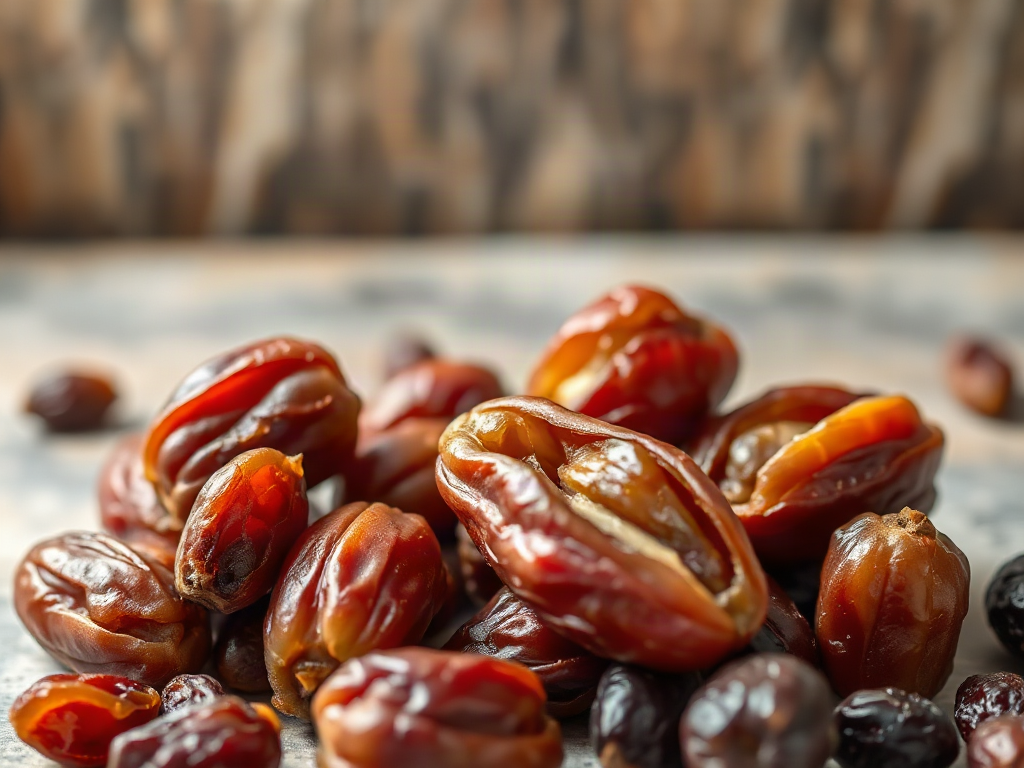
Dates and raisins are both concentrated dried fruits with substantial natural sugars, modest fiber, potassium, and plant compounds, but neither is automatically the healthier choice. Raisins are smaller and easier to scatter through meals, while dates are larger, chewier, and simpler to count as individual portions. Sugar and calorie intake depends mainly on the amount eaten, not whether one fruit tastes sweeter. Check unsweetened labels, compare equal weights rather than equal piece counts, and pair either fruit with nuts, yogurt, or another protein-rich food when a more filling snack is needed.
How Do the Sugars in Dates and Raisins Compare?
Drying removes much of a fruit’s water while leaving most of its naturally occurring carbohydrate behind. That concentration explains why both dates and raisins deliver more sugar and energy per bite than fresh grapes or many other fresh fruits. It does not mean that table sugar has been added. Plain packages commonly list only dates or raisins as the ingredient, although flavored, coated, or sweetened products require a closer label check.
A fair comparison requires the same unit of measurement. Comparing one date with one raisin is meaningless because dates are much larger. Comparing a loosely filled spoonful can also mislead because small raisins pack together differently from whole dates. Nutrition databases and package labels are most useful when values are compared by equal weight, such as 40 grams, and then translated into the amount a person will actually eat.
| Comparison Point | Dates | Raisins |
|---|---|---|
| Typical eating unit | One larger whole fruit | Many small dried grapes |
| Portion visibility | Easy to count | Easy to pour beyond the intended amount |
| Sweetness in recipes | Dense, caramel-like sweetness | Sweetness distributed in small pieces |
| Label issue to check | Variety and fruit size | Added oils, coatings, or sweeteners |
The sugars in unsweetened dried fruit occur within a food matrix that also contains fiber and micronutrients. Even so, dried fruit is compact enough that several portions can be eaten quickly. A handful grabbed repeatedly from a large bag may contribute much more carbohydrate than a measured portion placed beside a meal. Dates pose a different version of the same problem: varieties range considerably in size, so “three dates” is not a standardized serving.
People monitoring carbohydrate for diabetes or another medical reason should use the serving weight and total carbohydrate on the specific package rather than assuming that one type is universally preferable. Individual blood-glucose responses can differ according to portion, the rest of the meal, medication, and activity. Dried fruit should not be treated as a blood-sugar treatment, and personalized targets are best discussed with a qualified clinician or registered dietitian.
For everyday use, decide on the portion before eating. Place raisins in a small bowl instead of grazing from the package, or count dates while noting whether they are small or large. This simple step preserves their convenience without allowing their concentrated form to disguise the amount consumed.
Which Dried Fruit Has More Fiber?
Dates and raisins both provide dietary fiber, but the practical difference between them is often smaller than the effect of portion size. Exact values vary with date variety, raisin type, moisture, and the database or label used. A claim that one is categorically “high fiber” compared with the other can therefore overstate a modest difference, especially when unequal household portions are being compared.
Fiber remains in the fruit as water is removed, which makes dried fruit a compact source relative to its volume. The same concentration applies to sugar and calories, however. Eating extra dried fruit solely to obtain more fiber may bring substantially more carbohydrate than choosing beans, lentils, vegetables, whole grains, seeds, or fresh fruit. Those foods can add fiber with more volume, more protein, or both.
The physical form also affects how a serving feels. Two or three dates take several bites and are visually distinct. Raisins can disappear into oatmeal, cereal, trail mix, or baked goods, making their contribution difficult to judge. A tablespoon sprinkled over plain oatmeal may be purposeful; several unmeasured pours can turn a modest topping into the primary source of sweetness and energy.
Fiber is best viewed as part of the whole eating pattern rather than a reason to crown a winner. Consider two snacks. Dates stuffed with peanut butter combine dried fruit with fat and protein, but large dates plus a generous filling can make the snack energy-dense. Raisins mixed with walnuts offer a similar balance, yet the raisin portion can creep upward because the pieces are small. In either case, measuring once or twice helps establish a realistic visual reference.
A common misconception is that fiber neutralizes sugar. Fiber can slow digestion compared with an equivalent amount of isolated sugar, but it does not erase total carbohydrate or make portion size irrelevant. Someone seeking greater fullness may do better by pairing a moderate amount of dried fruit with plain Greek yogurt, cottage cheese, nuts, or seeds. Adding water-rich food, such as fresh berries or sliced apple, can further increase volume.
Signs that the portion works well include sustained satisfaction and easy integration into a meal without crowding out other foods. Persistent hunger soon afterward, repeated unplanned refills, or digestive discomfort may indicate that the portion or pairing needs adjustment. Increasing fiber abruptly can cause gastrointestinal symptoms in some people, so changes should be gradual and accompanied by adequate fluid.
Vitamins, Minerals, and Plant Compounds
Both fruits contribute more than carbohydrate. Dates and raisins contain potassium and smaller amounts of other minerals, while their exact micronutrient profiles differ by variety and processing. They also contain naturally occurring plant compounds. These features give plain dried fruit more nutritional substance than candy, but they do not transform it into a complete snack or justify unlimited portions.
Raisins are dried grapes, and production methods can influence color, texture, and composition. Dark raisins and golden raisins may be processed differently; some products include a small amount of oil to reduce sticking, and certain varieties may use preservatives. Dates are sold as different cultivars and at different moisture levels. A soft, large date and a smaller, firmer date should not be assumed to have identical nutrition per piece.
Potassium is relevant to normal body function, but dried fruit should not be prescribed as a corrective food for a medical condition. People with kidney disease or anyone instructed to limit potassium need individualized advice because concentrated foods may fit differently into their plan. Likewise, claims that dates or raisins detoxify the body, prevent disease, or provide a uniquely powerful antioxidant effect go beyond what a routine food comparison can establish.
Processing context matters more than an “organic” or “natural” halo. Organic certification concerns production standards; it does not remove naturally occurring sugars or guarantee a nutritionally superior product. A conventional package containing only raisins may be a more straightforward choice than an organic snack containing dried fruit, syrups, chocolate coatings, and multiple sweetened ingredients. The ingredient list and Nutrition Facts panel reveal that distinction.
Use the following checks when comparing products:
- Ingredient list: Look for fruit as the principal ingredient and identify added sugars, coatings, or flavorings.
- Serving weight: Compare grams rather than relying on different scoop or piece descriptions.
- Total carbohydrate and added sugars: Natural fruit sugar appears within total carbohydrate; added sugars are listed separately where labeling rules require it.
- Texture and intended use: Choose a product that works in the planned meal so less is wasted or mindlessly eaten.
The strongest choice is usually the minimally embellished product that fits the intended use and budget. A label may show no added sugar even though total sugar is substantial, which is normal for dried fruit. Conversely, “no refined sugar” does not necessarily mean no added sweetener; syrups and fruit concentrates may still contribute added sugars depending on formulation and labeling.
How to Choose Portions and Meal Pairings
The better option depends on the job the fruit needs to do. Dates work well when a recipe needs a few substantial pieces, a sticky texture, or a countable sweet component. Raisins are useful when sweetness needs to be spread throughout oatmeal, couscous, salads, or a nut mixture. Choosing by function is more reliable than treating either fruit as nutritionally superior in every setting.
For a portable snack, begin with the serving shown on the package and adjust for appetite, activity, and the rest of the day’s food. Combine the fruit with a source of protein or fat when greater staying power is desired. Examples include a date with nut butter, raisins with unsalted nuts, or either fruit stirred into unsweetened yogurt. The pairing does not remove the sugar, but it creates a more varied snack than dried fruit alone.
During prolonged activity, the compact carbohydrate in dried fruit may be useful because it travels well and requires no preparation. That same density may be unnecessary during sedentary grazing. Context changes the value of convenience: a small pouch on a long hike serves a different purpose from an open bag kept beside a desk.
In cooking, dates can replace some sweetening ingredients while adding texture and fiber, but they still contribute sugar. Date paste is not metabolically “free” merely because it is made from whole fruit. Raisins can reduce the need for sweetened toppings in porridge or baked goods, yet a recipe containing both raisins and added sweeteners may still be very sweet. Judge the finished dish, not one ingredient in isolation.
A practical selection sequence is short:
- Choose an unsweetened product with a simple ingredient list.
- Compare products using the same serving weight.
- Match the fruit’s texture and size to the meal or snack.
- Pre-portion it when eating away from home or from a large package.
- Reassess if the serving leaves you hungry, causes discomfort, or repeatedly grows without notice.
Neither fruit needs to replace fresh fruit. Fresh fruit generally supplies more water and volume, which can make it easier to feel satisfied. Dried fruit earns its place through shelf life, portability, and concentrated flavor. A useful pattern might include raisins in breakfast oatmeal, fresh fruit at lunch, and a date paired with nuts before an active afternoon—not dried fruit at every eating occasion.
The common failure is choosing according to a single number. Slightly more fiber, potassium, or sugar per listed serving does not settle the decision when package serving sizes differ or actual portions are uncontrolled. Prioritize ingredient simplicity, measured quantity, meal context, and personal dietary needs before small nutrient differences.
Conclusion
The most useful comparison starts with equal weights and ends with the portion that actually reaches the plate. Dates offer countable pieces, substantial texture, and an easy base for filled snacks. Raisins distribute conveniently through meals but are easier to overpour. Both supply natural sugars, fiber, potassium, and other compounds in a compact form.
Choose plain products, check for added sweeteners or coatings, and use package values rather than assumptions about variety or fruit size. Pairing a moderate portion with protein-rich or fat-containing food may produce a more satisfying snack, while fresh fruit remains useful when water and volume are priorities. Anyone following a carbohydrate- or potassium-restricted diet should base the choice on individualized professional guidance rather than a general winner.
Frequently Asked Questions
Are dates higher in sugar than raisins?
The result depends on whether the comparison uses equal weights, household servings, or individual pieces. Compare total sugars and total carbohydrate per equal gram weight, because one date is far larger than one raisin.
Which is better for fiber, dates or raisins?
Both contribute fiber, and values vary by product and variety. For a meaningful comparison, use equal weights and remember that beans, whole grains, vegetables, seeds, and fresh fruit can provide fiber with different advantages.
Can people with diabetes eat dates or raisins?
Either may fit some individualized eating plans, but both are concentrated carbohydrate sources. Portion size, the accompanying meal, medication, and personal response matter, so medical nutrition advice should come from a qualified professional.
Do organic dates or raisins contain less sugar?
Organic certification does not inherently reduce the fruit’s natural sugar. Check serving weight, total carbohydrate, total sugars, added sugars, and the ingredient list rather than using organic status as a sugar indicator.
Is dried fruit healthier than candy?
Plain dried fruit retains fiber and micronutrients that many candies lack, but it is still energy-dense and sweet. It is better evaluated as concentrated fruit, not as an unlimited substitute for sweets.