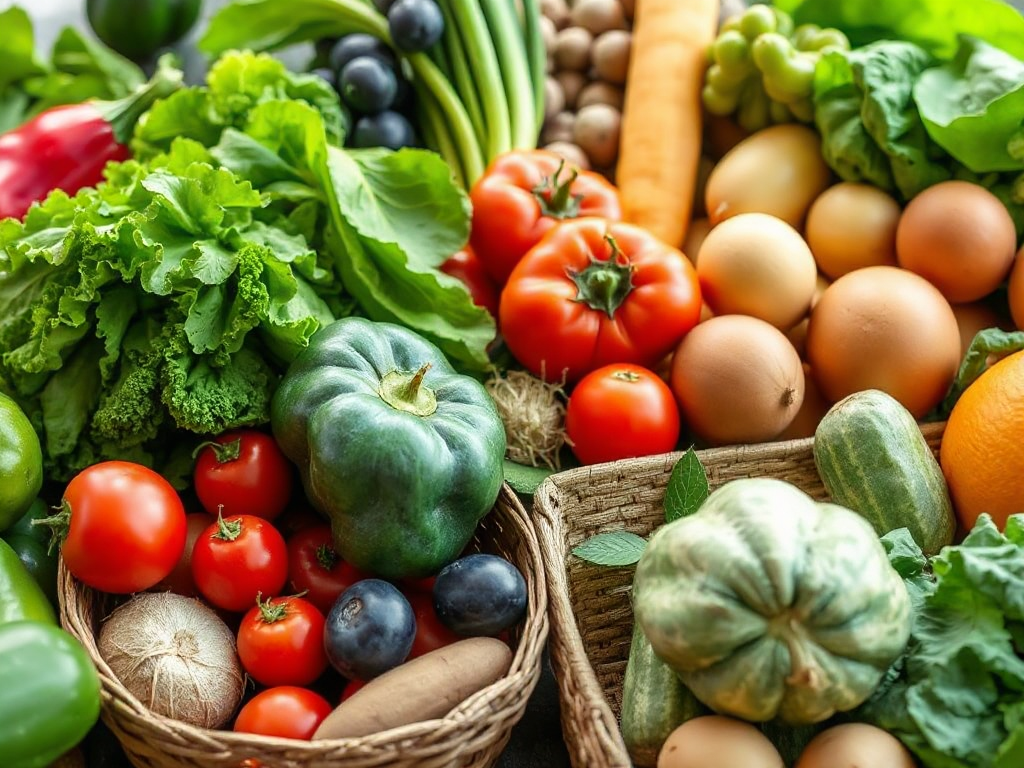
When deciding between organic and local produce, it's essential to weigh the benefits of each option. Organic produce is cultivated without synthetic pesticides and fertilizers, which can be advantageous for health-conscious consumers. However, local produce often offers superior freshness and flavor, as it is typically harvested at peak ripeness and sold shortly thereafter. Supporting local farmers also strengthens community ties and reduces the carbon footprint associated with long-distance transportation. Ultimately, the best choice depends on individual priorities regarding health, taste, and community support.
Understanding Organic Produce
Organic produce is defined by its cultivation methods that prohibit the use of synthetic fertilizers and pesticides. This practice not only aims to enhance the nutritional value of the food but also minimizes the potential for harmful chemical residues. While many consumers are drawn to organic products due to perceived health benefits, that the term ‘organic’ does not guarantee superior nutritional content compared to conventional produce.
One common misconception is that organic fruits and vegetables are inherently safer. While they are less likely to contain pesticide residues, they can still harbor bacteria and pathogens. For example, organic lettuce has been linked to outbreaks of E. coli, indicating that proper washing and handling remain crucial regardless of the farming method. Consumers should prioritize understanding the source of their food and the standards that govern organic certification.
Benefits of Local Produce
Local produce typically refers to fruits and vegetables grown within a certain radius of where they are sold, often within a few hundred miles. The primary advantage of purchasing local produce is the freshness; it is often harvested at peak ripeness and sold soon thereafter, leading to better flavor and nutritional quality. Additionally, buying local supports regional farmers and economies, fostering a sense of community.
Another key benefit is the reduced carbon footprint associated with transporting food over long distances. Local produce requires less fuel for transportation, which can significantly lower greenhouse gas emissions. However, consumers should also be aware that local farming practices vary widely, and not all local produce is grown using sustainable methods. Researching local farms and their practices can help consumers make informed decisions.
Comparing Environmental Impacts
When evaluating the environmental impact of organic versus local produce, several factors come into play. Organic farming practices generally promote biodiversity and soil health, using crop rotations and natural pest control methods. This can lead to long-term ecological benefits. However, the environmental impact of local produce can also be significant, especially if the farming methods employed are not sustainable.
For instance, local farms may use conventional farming methods that rely heavily on pesticides and fertilizers, which can harm local ecosystems. Conversely, organic farms, while potentially more sustainable in terms of chemical use, may still have a larger carbon footprint if they require extensive transportation for inputs or if they are located far from consumers. Understanding the specifics of farming practices, whether organic or local, is critical for making environmentally conscious choices.
Making the Right Choice for You
Ultimately, the decision between organic and local produce comes down to individual priorities. If health and avoiding synthetic chemicals are the primary concerns, organic produce may be the better choice. However, if supporting local economies and enjoying fresher products are more important, then local produce may be preferable. Some consumers choose to do both, selecting organic local produce when available.
It’s essential to consider not only the labels but also the practices behind them. Engaging with local farmers, visiting farmers’ markets, and understanding the implications of farming methods can empower consumers to make choices that align with their values. Additionally, seasonal availability can influence choices, as local produce may vary throughout the year, presenting opportunities to explore different fruits and vegetables.
Frequently Asked Questions
What is the main difference between organic and local produce?
The main difference is that organic produce is grown without synthetic pesticides and fertilizers, while local produce refers to items grown nearby, regardless of farming methods.
Is organic produce always healthier than local produce?
Not necessarily; while organic produce is free from synthetic chemicals, local produce can be just as nutritious and fresh, depending on the farming practices used.
How can I find out if my local produce is grown sustainably?
Engage with farmers at markets, ask questions about their practices, and research local farms to understand their growing methods and sustainability efforts.
Are there any environmental benefits to buying local produce?
Yes, buying local produce can reduce transportation emissions, support local economies, and often results in fresher food with better taste.
Can I combine both organic and local options in my diet?
Absolutely! Many consumers choose to buy organic local produce when available, balancing the benefits of both options.
Conclusion
Deciding between organic and local produce requires careful consideration of individual values and priorities. Both options offer unique advantages, from the health benefits associated with organic farming to the freshness and community support that local produce provides. Understanding the practices behind these labels and prioritizing quality and sustainability can lead to more informed purchasing decisions. Ultimately, consumers can find a balance that aligns with their preferences, ensuring they enjoy nutritious, flavorful food while supporting their local economy.