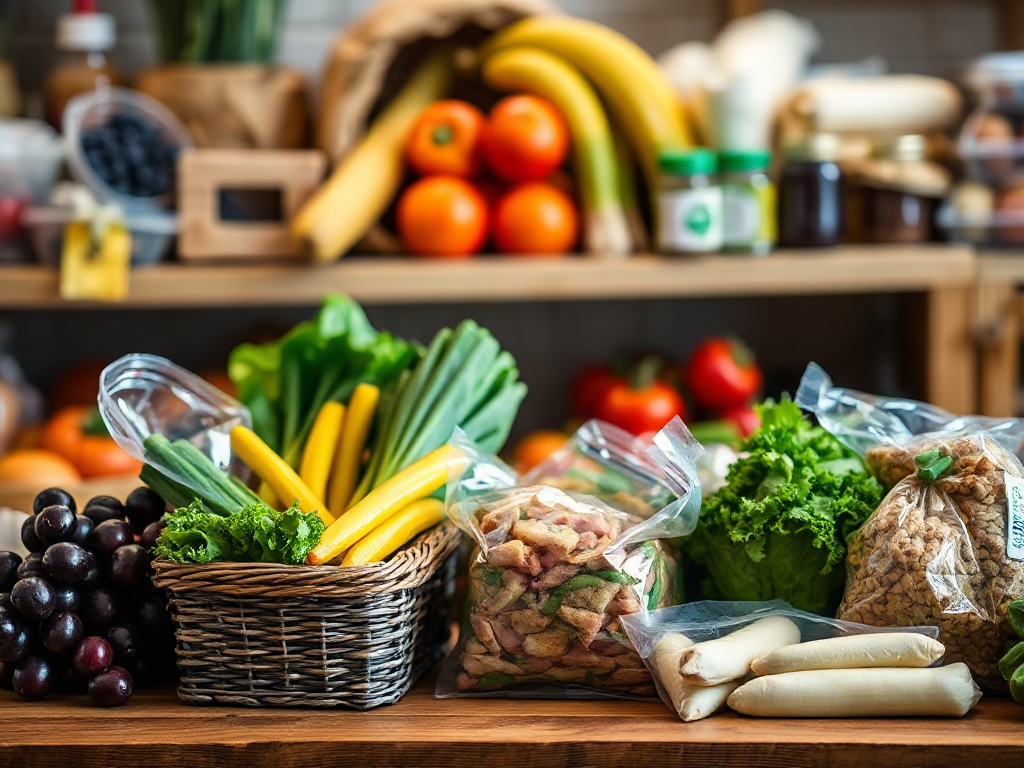
To interpret organic food labels correctly, it's essential to familiarize yourself with key terms like '100% Organic', 'Organic', and 'Made with Organic Ingredients'. The '100% Organic' label guarantees that the product consists entirely of organic ingredients, while 'Organic' indicates at least 95% organic content. Products labeled 'Made with Organic Ingredients' contain a minimum of 70% organic ingredients but cannot display the USDA Organic seal. Always check for the USDA Organic seal to ensure compliance with federal standards, as this can help you avoid misleading claims and make informed choices that align with your health and ethical values.
Understanding Organic Labels
Organic food labels are designed to provide consumers with information about the production methods used for their food. These labels signify adherence to specific agricultural standards that prioritize environmental sustainability, animal welfare, and reduced chemical use. Familiarity with these labels can help consumers make choices aligned with their values regarding health, ethics, and environmental impact. The USDA Organic seal is a critical indicator of compliance with federal regulations, ensuring that products are genuinely organic.
In the marketplace, understanding the nuances of organic labels is more important than ever. As demand for organic products increases, so does the variety of labels and claims. Consumers might encounter products that boast organic ingredients but are not certified organic, leading to potential confusion. Recognizing the difference between certified organic and non-organic products can significantly affect purchasing decisions.
Key Terms Explained
Several key terms on organic labels are essential for consumers to understand. The most prominent terms include:
- 100% Organic: This label means that the product contains only organic ingredients and processing aids. It is the highest standard for organic products.
- Organic: Products labeled as organic must contain at least 95% organic ingredients, with the remaining 5% allowed to be non-organic ingredients from an approved list.
- Made with Organic Ingredients: This designation means that the product contains at least 70% organic ingredients. However, it cannot bear the USDA Organic seal.
Understanding these terms helps consumers assess the organic integrity of the products they purchase. It also allows for a clearer comparison between different products and brands. For example, a product labeled as ‘Made with Organic Ingredients’ may still contain additives or preservatives that are not organic, which could be a concern for health-conscious consumers.
Common Misinterpretations
One of the most common misinterpretations of organic labels is the assumption that all organic products are free from pesticides or chemicals. While organic farming practices minimize chemical use, they do not guarantee a complete absence of pesticides. Organic farmers may use natural pesticides that are considered safe, but this can lead to misconceptions about the safety and purity of organic foods.
Another misconception is that organic products are always healthier than their conventional counterparts. While organic foods often contain fewer synthetic additives, they do not automatically have higher nutritional value. Consumers should evaluate the complete nutritional profile of food products rather than relying solely on organic labeling. This understanding helps to avoid the pitfalls of assuming organic automatically equates to superior health benefits.
Making Informed Choices
To make informed choices about organic foods, consumers should consider their values, budget, and dietary needs. Reading labels carefully and understanding the implications of various organic terms can empower consumers to select products that align with their health and environmental goals. Additionally, purchasing from local farmers’ markets or community-supported agriculture (CSA) programs can provide more transparency about food sourcing and production methods.
When evaluating organic products, it’s also beneficial to research brands and their farming practices. Some brands prioritize sustainability and ethical practices, while others may focus solely on organic certification. Understanding these differences can enhance consumer confidence and satisfaction in their purchases.
Frequently Asked Questions
What does the USDA Organic seal signify?
The USDA Organic seal indicates that a product meets strict federal standards for organic farming and processing, assuring consumers of its organic integrity.
Are organic foods always healthier than conventional foods?
Not necessarily; while organic foods often have fewer synthetic additives, they do not automatically have higher nutritional value than conventional foods.
Can organic products contain pesticides?
Yes, organic products can contain natural pesticides that are approved for organic farming, but they generally have lower levels of synthetic chemicals.
What percentage of ingredients must be organic for a product to be labeled as 'Organic'?
For a product to be labeled as 'Organic', it must contain at least 95% organic ingredients.
How can I ensure I'm buying truly organic products?
Look for the USDA Organic seal and read labels carefully to understand the percentage of organic ingredients and any other claims made.
Conclusion
Understanding how to interpret organic food labels correctly is crucial for making informed purchasing decisions. By familiarizing yourself with key terms and the significance of organic certifications, you can navigate the marketplace more effectively. Always consider the broader context of your choices, including health implications and environmental impact, to ensure your selections align with your values and goals.
Further Reading
Authoritative Sources
- Understanding Food Labels: What Common Terms Really ...
farmerjoes.comOrganic This means the food was grown or produced without synthetic fertilizers, pesticides, or genetically modified organisms. · Non-GMO
- What Does the Organic Label Really Mean?
pavilions.comOrganic labels refer to food produced according to USDA organic standards using practices that support ecological balance animal welfare, and ...
- How to read organic food labels: a practical guide
ossaorganic.comReading organic food labels correctly means understanding those tiers, not just spotting the word “organic” on the front of a packet.
- Food labels 101: What Organic, All-Natural, Non-GMO and ...
bswhealth.comOrganic: The term “organic” may be used on any product that contains a minimum of 95% organic ingredients. Up to 5% of the ingredients may be ...