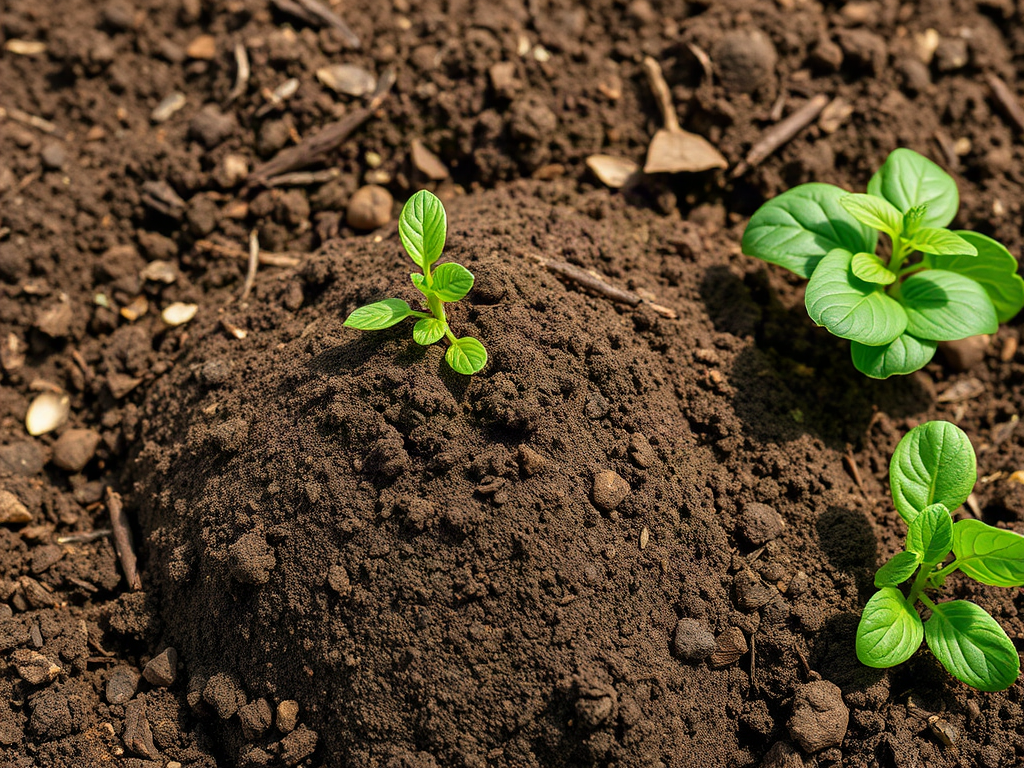
Yes, soil quality can influence the nutrient content of organic vegetables by affecting mineral availability, root development, microbial activity, water supply, and plant stress. Healthy soil does not automatically make every harvest more nutritious, because crop variety, maturity, weather, storage, and cooking also shape nutrient levels. Organic practices may build soil structure and biological activity, but they do not guarantee higher vitamin or mineral concentrations than conventionally grown vegetables. A useful approach is to test soil, correct serious pH or nutrient imbalances, add mature organic matter, and avoid excessive fertilizer.
What Soil Quality Changes in a Growing Crop
Soil quality influences a vegetable’s nutrient profile mainly by controlling whether roots can obtain water, oxygen, and usable mineral forms during growth. Soil is not simply a reservoir of fertilizer. Its texture, structure, organic matter, acidity, drainage, and biological activity determine how roots explore the planting bed and how nutrients move toward them. A compacted or poorly drained soil may contain nutrients on paper yet make them difficult for a plant to access.
Plant nutrition begins with root function. Roots need air-filled pore space as well as moisture, and they expand more effectively through loose soil with stable aggregates. When roots encounter hard layers, standing water, or severe dryness, the plant may produce less foliage and a smaller edible portion. That does not mean every nutrient falls in the same way. A stressed crop may have lower concentrations of some nutrients while concentrating others because growth has slowed. The result depends on the vegetable, the stress, and the stage of development.
Microorganisms add another layer. Bacteria and fungi decompose organic residues, release mineral nutrients, and interact with roots in the rhizosphere. Their activity is influenced by moisture, temperature, carbon sources, and pH. A biologically active soil may improve nutrient cycling, but microbial activity is not a magic nutrient infusion. It works within the limits of the soil’s mineral supply and the plant’s genetic capacity.
Consider two beds of spinach. One has adequate organic matter, moderate moisture, and a pH suited to the crop; the other is crusted, dry, and repeatedly fertilized without testing. The first bed is more likely to support steady leaf growth and efficient uptake, while the second may show uneven size, pale leaves, or premature stress. Yet spinach from the two beds cannot be judged fairly without controlling seed variety, sunlight, harvest age, and storage. Soil is a meaningful influence, not the sole explanation.
Readers researching does soil quality influence organic vegetable nutrients should therefore separate two questions: does soil affect plant nutrition, and does organic production always produce more nutritious vegetables? The first answer is generally yes; the second is not established as a universal rule.
Which Soil Factors Matter Most for Nutrient Content
Soil pH, available minerals, organic matter, physical structure, and water management usually deserve attention before specialized amendments. pH affects the chemical form and availability of nutrients such as phosphorus, iron, manganese, and zinc. A reading outside the preferred range for a crop can create deficiency symptoms even when a laboratory report lists substantial total nutrients. Adjusting pH should be based on a soil test rather than a guess, because adding lime or other amendments unnecessarily can create a new imbalance.
Mineral supply also matters, but more fertilizer is not automatically better. Nitrogen supports leaf and stem growth, while phosphorus and potassium participate in energy transfer, root development, water regulation, and other plant functions. Excess nitrogen can encourage rapid, watery growth and delay maturity in some crops. Excessive applications of any nutrient may interfere with the uptake of others or move beyond the root zone. A well-managed bed aims for sufficiency, not the highest possible test number.
Organic matter affects the physical and biological environment at the same time. Compost can improve aggregation in some soils, increase water-holding capacity in sandy ground, and support decomposer organisms. In heavy clay, however, repeated shallow additions may not solve compaction or drainage problems by themselves. A cover crop, reduced traffic, deep-rooted vegetation, or a redesigned bed may address the underlying issue more effectively.
Water availability creates a practical tradeoff. Dry soil restricts nutrient movement and root activity, while saturated soil reduces oxygen and can damage roots. A raised bed may help a poorly drained site, whereas mulch and drip irrigation may be more useful in a fast-draining one. The same amendment cannot serve both situations equally well. Signs of improvement include more even growth, stronger root development, and fewer deficiency symptoms—not merely darker leaves.
A common mistake is to treat a single visual symptom as a diagnosis. Yellow leaves can reflect nitrogen shortage, waterlogging, root damage, disease, or natural aging. Before adding fertilizer, check irrigation, drainage, recent weather, leaf position, and a soil test where available. The soil-quality question for organic vegetables is best handled through several measurements rather than a color-based assumption.
Organic Soil Management: Benefits and Limits
Organic soil management can create conditions that support consistent vegetable growth through compost, crop rotation, cover crops, mulches, and approved nutrient sources. These practices add carbon, protect the surface from erosion, and may improve aggregate stability and biological activity over time. Rotation can also reduce the buildup of crop-specific pests and diseases, while cover crops help keep living roots in the soil between harvests.
The nutritional effect is indirect and variable. Compost releases nutrients gradually, and its composition depends on the materials used and how fully they have decomposed. A mature compost may contribute modest amounts of several nutrients and improve structure, but it may not correct a specific deficiency quickly. Manures and concentrated organic fertilizers can supply substantial nitrogen or phosphorus; applying them without a test can oversupply nutrients just as readily as synthetic fertilizer can.
Organic certification concerns how a crop is produced and which inputs are permitted, not a guaranteed nutrient score. An organic tomato grown in depleted soil may not outperform a conventionally grown tomato from carefully managed soil. Conversely, a farm using organic methods may build a resilient soil system that supports strong yields and consistent plant growth. The production label and the soil condition answer different questions.
Timing affects the outcome. Fresh organic materials can temporarily tie up nitrogen as microbes decompose high-carbon residues, and incompletely composted material may harm seedlings or introduce unwanted contaminants. Well-finished compost incorporated or applied according to the crop’s needs is generally more predictable than a thick layer of raw plant debris. Mulch placed on the surface can conserve moisture, but it should not press against stems or remain excessively wet.
Imagine a gardener choosing between a general organic fertilizer and a soil test. The fertilizer may be convenient, but the test can reveal whether the actual limitation is pH, drainage, or a missing nutrient. The test-first approach may take longer and cost more at the beginning, yet it reduces the risk of repeated, ineffective applications. Organic methods work best as a managed system rather than as a promise that every natural input improves nutrient density.
How to Assess Soil and Improve a Vegetable Plot
A practical soil assessment begins with representative sampling. Take several small samples from the active root zone across one uniform bed, mix them as directed by the testing service, and avoid sampling immediately after applying compost or fertilizer. A basic report commonly provides pH, organic matter, and selected nutrient levels. Interpretation should consider the crop and the local testing laboratory’s ranges rather than treating one number as a universal target.
Use the results to rank interventions. Correct a severe pH problem before chasing trace minerals, and address standing water or compaction before increasing fertilizer. If organic matter is low, mature compost, retained residues, and cover crops may help over successive seasons. If the bed is already rich in nutrients, additional compost may be unnecessary; mulching and careful irrigation could provide greater value.
A compact priority sequence looks like this:
- Test first: identify pH, nutrient status, organic matter, and any locally relevant concerns.
- Fix the physical environment: improve drainage, reduce foot traffic, and protect the surface from crusting.
- Match amendments to evidence: use mature compost or permitted fertilizers only for a defined purpose.
- Observe the crop: compare growth uniformity, leaf color, maturity, and disease pressure over time.
- Reassess: repeat testing at a sensible interval rather than making weekly amendments.
Testing has limitations. A sample describes a portion of soil at one point in time, while nutrient uptake changes with rainfall, temperature, root depth, and crop demand. Tissue testing can sometimes add information when deficiency remains unclear, but it should be interpreted with growing conditions and visual symptoms. Home test kits may be useful for rough comparisons but are not always precise enough for fine nutrient decisions.
Beginner gardeners often focus on adding material and overlook traffic. Walking across a wet bed can compress pore spaces and restrict roots for the rest of the season. A defined path, permanent bed, and surface mulch may improve plant performance without any new fertilizer. For a small plot, these structural changes can be more realistic and affordable than pursuing a complex amendment schedule.
What Harvest, Storage, and Comparisons Can Tell You
Soil quality affects the conditions under which nutrients are accumulated, but harvest timing can change the final result just as much. Leafy greens harvested young may differ from mature leaves in water content, texture, and concentration of particular compounds. Root vegetables continue to develop after tops appear large, while tomatoes and peppers change as they ripen. Comparing crops at different maturity stages can make soil differences appear larger or smaller than they are.
Storage also matters. Heat, light, moisture loss, and elapsed time can alter the retention of some vitamins after harvest. A vegetable picked from excellent soil but stored for a long period may not provide the same nutritional value as a fresher vegetable from ordinary but adequate soil. Washing, cutting, and cooking introduce additional variables. Cooking can reduce some heat-sensitive nutrients while making other compounds easier to consume or digest; the effect is nutrient-specific rather than uniformly positive or negative.
Fair comparisons require control. Compare the same cultivar, similar maturity, equivalent edible portions, and similar storage and cooking conditions. A backyard grower can keep simple notes on planting date, bed, irrigation, harvest date, and visible plant health. Those records will not replace laboratory analysis, but they can show whether a change in compost or watering coincided with more uniform growth or fewer deficiency symptoms.
Nutrition should be judged across the whole eating pattern rather than by a single harvest. Carrots, kale, beans, peppers, squash, and tomatoes contribute different nutrients and plant compounds. Soil management can support reliable production, but dietary variety remains a practical way to obtain a broad range of nutrients. An organic label may guide purchasing or farming choices, yet freshness, variety, preparation, and total diet remain relevant.
Weak assumptions cause two opposite mistakes: dismissing soil because labels do not guarantee nutrient superiority, or assuming healthy soil makes every vegetable exceptionally nutrient-dense. The better conclusion is narrower and more useful. Build soil to support healthy roots, use testing to prevent imbalances, harvest appropriately, and avoid making a nutrition claim from appearance or production method alone.
Frequently Asked Questions
Does healthier soil always produce more nutritious vegetables?
No. Healthy soil supports root function and steady growth, but cultivar, maturity, weather, harvest timing, storage, and cooking also influence nutrient content.
Does organic certification guarantee higher nutrient levels?
No. Certification describes production standards and permitted practices. It does not guarantee that an organic vegetable contains more vitamins or minerals.
Which soil test result should a gardener check first?
Start with pH, organic matter, and major nutrients. Correct severe pH, drainage, or compaction problems before adding specialized fertilizers.
Can compost improve vegetable nutrient quality?
Compost may improve structure, moisture management, and nutrient cycling, which can support healthier growth. Its nutrient content varies, and excess applications can create imbalances.
How can someone compare vegetables grown in different soils?
Use the same variety, maturity, edible portion, storage period, and cooking method. Without those controls, differences cannot reliably be attributed to soil.
Conclusion
Soil quality deserves attention because it shapes root access to water, oxygen, and minerals, but it should not be treated as a stand-alone predictor of vegetable nutrition. Test before amending, correct pH or drainage problems before adding more fertilizer, and use mature organic matter with a clear purpose. Watch for practical signs such as even growth, healthy roots, appropriate maturity, and fewer recurring deficiency symptoms. When judging the food itself, include cultivar, harvest timing, storage, preparation, and dietary variety in the comparison. Organic methods can build a productive soil system, yet the organic label does not replace sound soil management or guarantee greater nutrient density. A measured, season-by-season approach gives gardeners better results and more defensible conclusions.