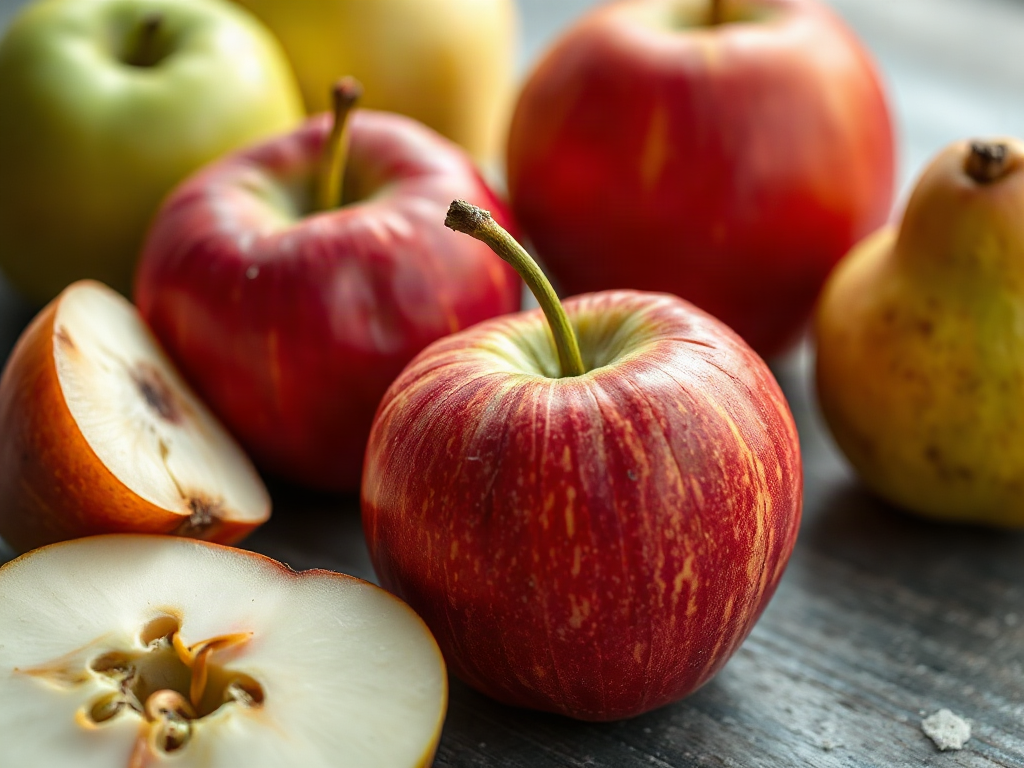
Fruit cores and rinds have safe culinary uses when the specific part is edible, the fruit is thoroughly washed, and tough or irritating portions are removed before cooking. Apple and pear cores can flavor stock or syrup after the seeds and woody stem ends are discarded, while citrus rinds work well as zest, infusions, candied peel, or seasoning. Watermelon rind and pineapple cores can be cooked, pickled, blended, or simmered, although their texture may require heat or fine chopping. Avoid unknown ornamental fruit, moldy pieces, heavily waxed surfaces, and pits or seeds that should not be chewed. The practical rule is to treat scraps as ingredients only after identifying the part, cleaning it, and matching its texture to the recipe.
Which Fruit Cores and Rinds Are Usable
Safe culinary use depends on the exact fruit part, not simply on whether it came from a fruit. Soft flesh close to a peel is generally easier to use than a hard seed, woody stem, or thick outer shell. Citrus rinds, apple and pear skins, watermelon rind, and pineapple cores are familiar kitchen examples, but each needs a different treatment. The useful question is whether the part is edible, palatable, clean, and suitable for the intended preparation.
Citrus peel is valuable because its colored outer layer contains aromatic oils. Zest adds fragrance to baked goods, dressings, marinades, and sauces, while the white pith underneath is more bitter and can make a dish harsh. A strip of peel may flavor tea or a simmering sauce, but finely grated zest is usually the better choice when the goal is aroma without excessive bitterness. Candied peel works because sugar and heat soften the tissue and balance its sharpness.
Apple and pear cores are less attractive as a direct eating portion because the central structure is firm and fibrous. They can still contribute flavor to a poaching liquid, fruit syrup, jelly, or blended preparation after the seeds, stem, and hard blossom end are removed. Apple seeds should not be deliberately chewed or incorporated into a recipe; discard them rather than treating the whole core as interchangeable with edible flesh. A strained infusion is more practical than trying to make a crisp core tender.
Pineapple cores contain edible fruit but are noticeably denser and more fibrous than the surrounding slices. Thinly slicing the core, chopping it for a smoothie, or simmering it in a sauce can make it useful. Watermelon rind has a pale inner layer that can be peeled, diced, and cooked like a firm vegetable. The green outer skin is usually removed because it is leathery rather than because the entire rind is automatically hazardous.
Stone-fruit pits require a different boundary. The surrounding flesh may be used, but the hard pit should not be cracked into a recipe. Leaves and stems from some fruits also have distinct safety concerns and should not be assumed edible because the fruit itself is safe. Fruit cores and rinds safe culinary uses begin with identifying the part accurately, then choosing a preparation that respects its texture and natural bitterness.
How to Clean and Prepare Fruit Scraps
Washing is a preparation step, not a guarantee that every peel is suitable for eating. Rinse intact fruit under running water and rub the surface with clean hands before cutting. Cleaning before slicing matters because a knife can transfer material from the exterior across the flesh. Firm produce can be scrubbed with a clean produce brush; soap, detergent, and household cleaners do not belong on food.
Once washed, inspect the surface and remove bruised, moldy, slimy, or badly damaged portions. Mold on soft produce can extend beyond the visible spot, so using a small piece from a moldy fruit is a poor way to reduce waste. Fresh scraps should smell and look normal. A rind with a bitter but characteristic citrus aroma is different from one with a fermented, sour, or musty odor.
Preparation should match the recipe. Use a fine grater or peeler for citrus zest, a sharp knife for watermelon rind, and a spoon or corer for removing apple seeds and tough central fibers. Pineapple core becomes more manageable when cut lengthwise into thin strips across the grain. For a stock or infusion, large clean pieces are acceptable because the liquid can be strained; for a smoothie, small pieces reduce the chance of a stringy result.
Surface treatments and produce condition can complicate peel use. A coated or polished surface may not be pleasant in zest-heavy dishes, and washing will not remove every material applied during handling. When peel is central to a recipe, choose sound fruit intended for food use and follow the package directions if it has been pre-cut or treated. Organic labeling does not remove the need to wash produce, and conventional labeling does not automatically make a peel unusable; condition, cleaning, and the recipe still matter.
A useful preparation sequence is simple:
- Identify the fruit and the exact part being used.
- Wash and inspect the whole fruit before cutting.
- Remove seeds, pits, stems, hard ends, and damaged tissue.
- Cut, grate, or simmer the remaining portion according to its texture.
- Use the prepared scrap promptly or refrigerate it in a clean covered container.
The common mistake is assuming that “zero waste” means every fragment must go into the dish. It does not. Discarding a pit, moldy section, or unpleasantly woody strip is part of responsible cooking. For more examples of practical preparation, see fruit cores and rinds safe culinary uses as a kitchen decision rather than a rule to consume every scrap.
Cooking Methods That Make Tough Parts Useful
Heat, cutting, soaking, and straining change how fruit cores and rinds behave, but they do not turn every inedible part into food. Tough tissues soften when simmered, while fine chopping makes fibrous pieces less noticeable in a finished dish. The best method is the one that fits the scrap’s structure and the cook’s tolerance for bitterness, chewiness, or extra preparation.
Simmering is effective for apple cores, pear cores, citrus peel, and pineapple trimmings when the goal is a flavored liquid. Add clean pieces to water with spices, then strain the liquid before using it for poaching fruit, making a sauce, or sweetening a drink. Apple and pear cores can contribute a mild fruit note, but their seeds and hard stems should be removed first. Longer cooking may extract flavor, yet it will not make a woody stem pleasant to chew.
Pickling suits watermelon rind because acidic brine, salt, sugar, and heat complement its firm texture. Peel away the outer green layer, cut the pale rind into even pieces, and cook it until it becomes tender but not collapsing before transferring it to the pickling liquid. The result is closer to a condiment than a fresh-fruit snack. Uneven pieces create an uneven texture, with thin sections becoming soft before thicker pieces are ready.
Blending works well for pineapple core, citrus segments with some pith, and very finely chopped peel, especially in smoothies, sauces, and marinades. A blender can reduce small fibers, but it cannot reliably disguise large woody pieces or hard seeds. Start with a modest amount and taste before adding more. Too much citrus pith can dominate a dressing, while too much pineapple core can produce a fibrous mouthfeel even after blending.
Drying and candying are useful for citrus peel because they concentrate aroma and alter texture. Remove some pith when bitterness is a concern, blanch the peel if the recipe calls for it, and use a measured amount in baked goods or desserts. This approach adds sugar, so it is a flavor technique rather than a universal health upgrade. Similarly, turning scraps into syrup may reduce kitchen waste but can increase the dish’s sugar content.
Choose a method by asking what the finished food needs. Use zest when fragrance matters, simmering when you want a strained liquid, pickling when firmness can be an advantage, and blending when small fibers are acceptable. A failed result usually comes from forcing a scrap into the wrong format—for instance, serving a thick pineapple core raw when thin slicing or cooking would have made it more agreeable.
Safety Limits, Storage, and Common Mistakes
Food safety for fruit scraps rests on identification, sanitation, freshness, and storage time. Keep cut rinds and cores refrigerated rather than leaving them at room temperature while other meal preparation continues. Store them in a clean, covered container and use them promptly, especially when they have been cut into moist pieces. Refrigeration slows spoilage but does not repair fruit that was already moldy, damaged, or contaminated.
Do not assume that cooking removes every concern. Heat can soften texture and reduce some microbes on the surface, but it does not make unknown plant material safe, and it does not justify using rotten scraps. Cooking also does not make hard pits safe to chew. Remove pits and large seeds before preparation, and avoid recipes that grind them into food unless the ingredient is specifically recognized as edible and appropriate for that use.
Allergies and sensitivities also deserve attention. Citrus peel, pineapple, and other fruit parts can be more concentrated in flavor and may irritate the mouth for some people. Anyone who already reacts to a particular fruit should not treat the peel or core as a separate safe ingredient. A bitter taste is usually a quality issue, but burning, swelling, hives, or breathing difficulty after eating requires immediate medical attention.
Several weak assumptions lead to poor results. “The peel is natural” does not mean it is clean. “Organic” does not mean washing is unnecessary. “The core is edible” does not mean it is pleasant raw. “Boiling makes it safe” does not cover mold, unknown varieties, pits, or chemical exposure. These distinctions keep waste reduction practical rather than turning it into a reason to take avoidable risks.
For a simple kitchen check, prioritize the following:
- Identity: confirm the fruit and the part before using it.
- Condition: reject moldy, slimy, fermented, or strongly off-smelling scraps.
- Preparation: remove pits, seeds, stems, pith, and hard fibers where appropriate.
- Use: select zesting, simmering, blending, pickling, or candying based on texture.
- Storage: refrigerate prepared pieces in a covered container and discard questionable leftovers.
A reader trying to reduce waste on a busy weekday may get more value from freezing clean citrus zest or saving pineapple core for a smoothie than from attempting a complicated preserve. A cook with more time may pickle watermelon rind or make a strained fruit syrup. The safest option is the one that uses a clearly identified, sound part without creating a storage burden or a dish no one will actually eat.
Frequently Asked Questions
Can apple cores be used in cooking?
They can flavor strained syrups, poaching liquid, or jelly after the seeds, stem, and hard ends are removed. Do not treat the whole core as a raw snack.
Is citrus rind safe to eat?
Clean citrus rind is commonly used as zest, peel, an infusion, or candied fruit. Use the colored outer layer sparingly if the white pith tastes too bitter.
What is the best use for pineapple cores?
Thin slices, smoothies, marinades, and simmered sauces make good use of the fibrous core. Large raw chunks may remain stringy and tough.
Can watermelon rind be cooked?
Yes. Remove the green outer skin, dice the pale rind, and cook or pickle it until tender. Its firm texture makes it more suitable for cooked dishes than raw salads.
Should fruit scraps be washed before saving them?
Yes. Wash and rub the intact fruit before cutting, then refrigerate clean scraps in a covered container. Discard pieces that become moldy, slimy, or noticeably off-smelling.
Conclusion
Fruit cores and rinds can become useful ingredients when the part is known, the fruit is sound, and the preparation suits its structure. Citrus zest rewards fine grating, pineapple core benefits from thin slicing or blending, watermelon rind responds well to cooking or pickling, and apple or pear cores are better used to flavor a liquid that will be strained. Remove pits, seeds, stems, excessive pith, and damaged tissue rather than pursuing waste reduction at any cost. Wash produce before cutting, refrigerate prepared scraps, and rely on smell, appearance, and texture when deciding whether to proceed. A small, repeatable use—such as freezing zest or adding a trimmed core to a simmering sauce—often delivers more practical value than an elaborate recipe that creates new storage and safety problems.