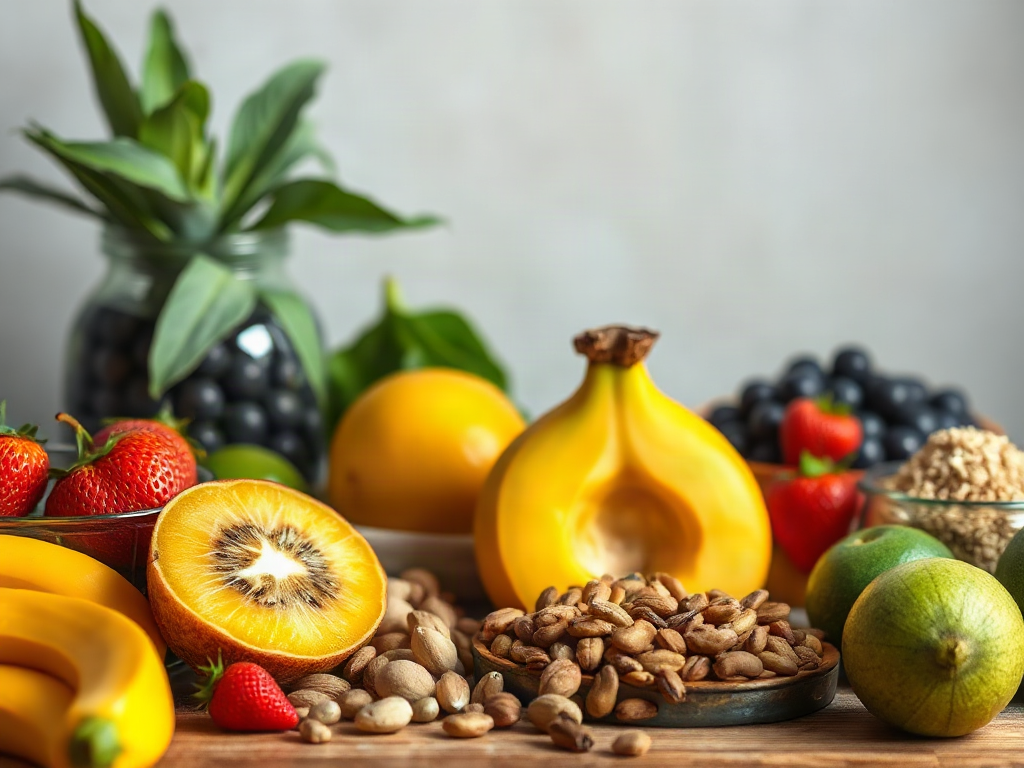
Fruit heavy diets and essential fat shortfalls can occur when meals provide abundant carbohydrate and fiber but little omega-3 and omega-6 fat from seeds, nuts, legumes, or oils. The main pressure point is not fruit itself; it is the repeated replacement of fat-containing foods with fruit, juice, smoothies, or low-fat snacks. A practical correction is to keep whole fruit while adding measured servings of chia, flax, walnuts, hemp hearts, tahini, or a suitable oil, with attention to total calories and digestive tolerance. Persistent dry skin, unintended weight loss, poor satiety, or fatigue deserves medical review because these signs have many possible causes.
Why Fruit-Heavy Eating Can Crowd Out Dietary Fat
A fruit-heavy diet becomes nutritionally narrow when fruit supplies most meals and snacks while nuts, seeds, legumes, tofu, eggs, dairy, seafood, or added oils appear rarely. Whole fruit contains water, carbohydrate, fiber, and varying amounts of vitamins and minerals, but most fruits provide very little fat. A large bowl of melon, berries, or citrus may be filling by volume without contributing enough energy from fat to balance the day.
The issue is usually dietary displacement rather than a harmful property of fruit. A person who eats several servings of fruit, drinks a smoothie, and chooses dried fruit between meals may have little appetite or time left for a meal containing ground flax, walnuts, avocado, or another fat source. Juice and dried fruit intensify this pattern because they are easier to consume quickly and may provide less satiety than intact fruit.
Fat contributes more than calories. Dietary fat helps provide essential fatty acids and supports the absorption of fat-soluble vitamins A, D, E, and K from foods eaten in the same meal. A salad topped only with fruit and vinegar, for example, may be rich in produce but less nutritionally complete than the same salad with beans and a tahini-based dressing.
A useful first check is to review three typical days rather than judging one unusual menu. Mark meals that contain a clear fat source and notice whether fruit has replaced breakfast, lunch, or an evening meal. The goal is not to reduce fruit automatically. It is to identify whether the pattern leaves little room for foods that supply fat, protein, minerals, and concentrated energy.
Essential Fats, Symptoms, and Misleading Assumptions
Essential fatty acids are fats the body cannot make in sufficient amounts and must obtain from food. Linoleic acid, an omega-6 fatty acid, is widely available in nuts, seeds, and many plant oils. Alpha-linolenic acid, an omega-3 fatty acid, is found in flaxseed, chia, hemp hearts, walnuts, and some oils. Marine foods provide EPA and DHA, which have different biological roles from plant-based alpha-linolenic acid.
Clear deficiency is uncommon in ordinary diets, so a symptom should not be treated as proof of an essential-fat shortfall. Dry or scaly skin, hair changes, poor wound healing, fatigue, and difficulty maintaining weight can reflect inadequate total calories, dehydration, skin conditions, medication effects, digestive disorders, or other nutrient problems. A person eating mostly fruit may also be low in protein, iron, zinc, vitamin B12, calcium, or sodium, depending on the rest of the menu.
That distinction matters because adding an oil spoonful may not solve the underlying problem. If fruit has replaced meals, the broader correction may require a more substantial plate containing a protein source, a starchy food, vegetables, and fat. Conversely, someone who already eats beans, tofu, nuts, and seeds but has persistent symptoms should not assume that more fat is the answer.
Another weak assumption is that all fats are interchangeable. Chia and flax provide alpha-linolenic acid, but conversion to EPA and DHA is limited and variable. A person avoiding seafood may discuss algae-derived DHA or EPA with a qualified clinician, particularly when pregnancy, medication use, or a diagnosed condition is involved. Supplements are not automatically safer or more useful than food, and high-dose products can create medication or tolerability concerns.
How to Rebalance Meals Without Removing Fruit
The most workable adjustment is to attach fruit to a meal that already has fat and protein instead of treating fruit as the entire meal. For breakfast, berries can accompany unsweetened soy yogurt, oats, and ground flax. At lunch, mango or orange can be part of a bean salad with avocado or a seed-based dressing. For a snack, an apple with peanut butter or a banana with walnuts is generally more sustaining than fruit alone.
Ground flax is often more practical than whole flax because its nutrients are more accessible, while chia can be stirred into oatmeal or a thick smoothie. Nuts and seeds add energy quickly, so serving size matters for people managing reflux, digestive sensitivity, or calorie needs. Tahini, walnut pieces, hemp hearts, and soybean foods provide different combinations of fat, protein, and minerals; rotating them is more useful than relying on one “superfood.”
A fruit-heavy menu also needs attention to form. Whole fruit usually slows eating through chewing and fiber. Smoothies can still be nutritious, but a very large fruit-only smoothie may deliver substantial carbohydrate without enough protein or fat. Adding soy milk, yogurt, tofu, nut butter, or seeds changes the meal’s composition. Juice should not be used as the main replacement for meals because it contributes little chewing and may be less filling.
Use this compact review when adjusting the pattern:
- Keep several servings of whole fruit if they suit your digestion and energy needs.
- Add one identifiable fat source to meals that currently contain only fruit or refined carbohydrate.
- Include a dependable protein source, such as beans, lentils, tofu, tempeh, eggs, yogurt, or fish where appropriate.
- Use ground flax, chia, walnuts, or hemp regularly rather than adding a large amount once and abandoning the plan.
- Watch for worsening bloating, loose stools, unintended weight change, or persistent symptoms.
The best choice depends on the person. A budget-conscious eater may use peanut butter, sunflower seeds, canola oil, and beans instead of expensive specialty products. Someone with a nut allergy can use tahini, pumpkin seeds, or fortified soy foods if tolerated. Someone with a sensitive digestive system may need smaller amounts spread across meals rather than a dense seed smoothie.
When a Food Plan Needs Professional Review
Diet changes deserve clinical attention when the pattern is accompanied by unintended weight loss, ongoing diarrhea, marked fatigue, swelling, recurrent infections, or skin changes that persist despite a more varied menu. These findings do not diagnose essential-fat deficiency, but they can signal inadequate intake, poor absorption, or another health issue. A registered dietitian or physician can review food intake, medications, digestive symptoms, and relevant laboratory testing.
Professional guidance is especially useful for children, older adults, pregnancy, eating-disorder recovery, malabsorption conditions, and diets that exclude several food groups. A fruit-only or nearly fruit-only approach may fail to provide adequate protein and several micronutrients even if it supplies plenty of vitamin C and fiber. Restrictive plans can also make it difficult to distinguish a true food reaction from the consequences of under-eating.
Keep a short food and symptom record before an appointment. Note fruit quantity, juice or smoothie intake, seed and nut servings, sources of protein, digestive responses, and any supplements. This is more informative than reporting that the diet is “healthy” or “clean.” A clinician can then assess whether the priority is additional energy, broader food variety, testing for absorption problems, or a targeted supplement.
Do not use a symptom checklist as a self-diagnosis tool. For example, dry skin may improve with adequate fluid and dietary variety, but it may also require evaluation for a dermatologic or systemic cause. Likewise, fatigue after a fruit-heavy diet may relate to insufficient calories or iron rather than fat alone. The practical next step is a balanced change followed by observation, not an extreme increase in oil or a sudden collection of supplements.
Readers comparing meal patterns can use fruit heavy diets and essential fat shortfalls as a planning reference, then adapt the choices to allergies, culture, budget, and medical needs. A varied plant-forward diet can include abundant fruit while still making room for legumes, seeds, soy foods, vegetables, and appropriate sources of fat.
Frequently Asked Questions
Can eating a lot of fruit cause essential-fat deficiency?
Fruit itself does not cause deficiency, but a fruit-dominant menu can crowd out nuts, seeds, oils, legumes, soy foods, and other fat sources.
Which plant foods supply essential fats?
Ground flaxseed, chia seeds, hemp hearts, walnuts, soybean foods, and suitable plant oils provide essential fatty acids in varying amounts.
Are avocado and coconut enough to cover essential fats?
Avocado contributes useful unsaturated fat, but coconut is relatively low in essential fatty acids. A varied pattern with seeds, nuts, or appropriate oils is more reliable.
Is a fruit smoothie a balanced meal?
It depends on its ingredients. Fruit blended with soy milk, yogurt, tofu, nut butter, or seeds is more complete than a very large fruit-only smoothie.
When should symptoms be checked by a clinician?
Seek professional assessment for persistent fatigue, unintended weight loss, ongoing diarrhea, significant skin changes, swelling, or difficulty eating enough.
Conclusion
A fruit-rich eating pattern can remain part of a sound diet when it does not displace the foods that provide essential fatty acids, protein, and concentrated energy. Review the whole day, not one snack: replace fruit-only meals with combinations such as berries and flax oats, bean salad with tahini, or fruit alongside soy yogurt and walnuts. Favor repeatable food choices over oversized servings of one fashionable ingredient, and adjust for allergies, digestion, budget, and energy needs. Persistent symptoms should not be assigned to fat deficiency without assessment, since inadequate calories, low iron, malabsorption, and unrelated conditions can look similar. The next useful step is a three-day food record followed by a modest, consistent increase in varied fat sources and professional advice when warning signs remain.