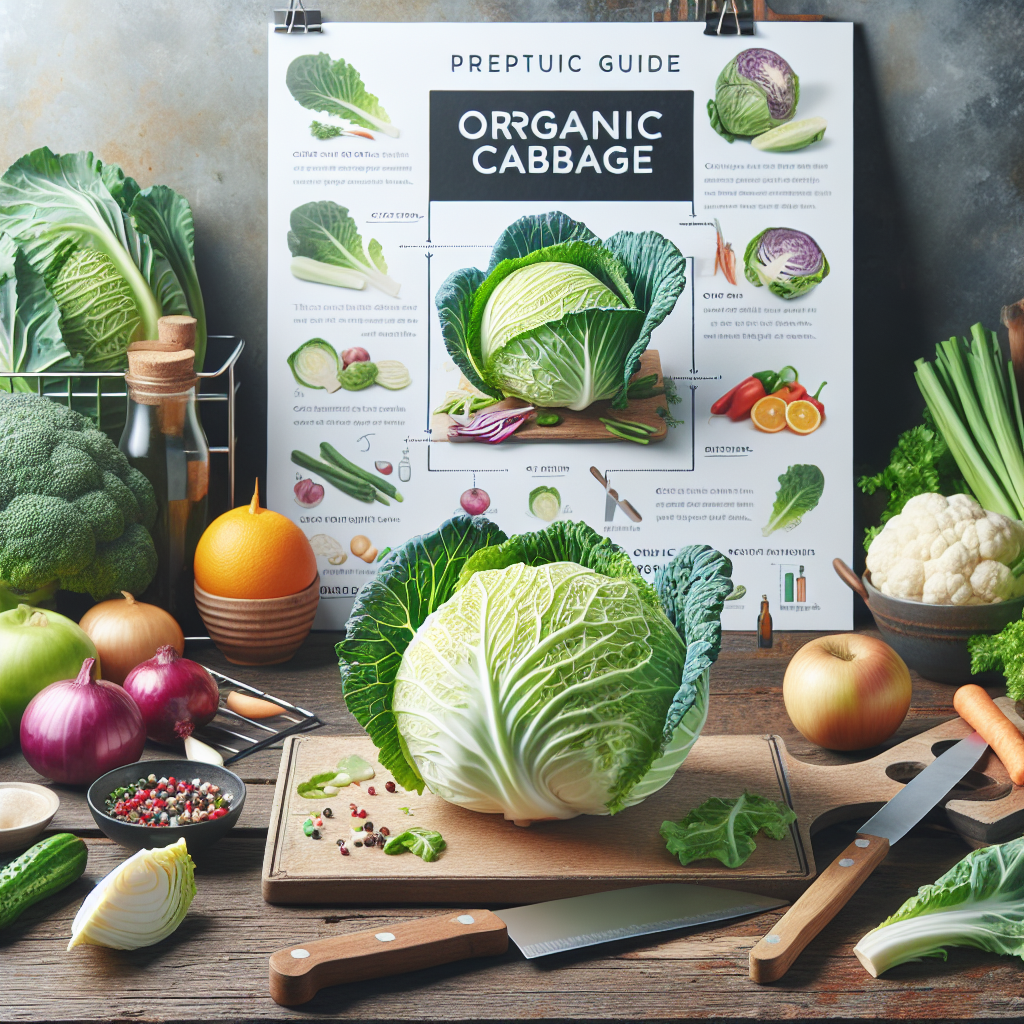
Organic diets can significantly reduce inflammation and chronic pain due to their higher levels of antioxidants, omega-3 fatty acids, and lower pesticide exposure. These diets often emphasize whole, unprocessed foods, which can help mitigate inflammatory responses and improve overall health outcomes.
Understanding how specific organic foods contribute to reducing inflammation is vital for individuals suffering from chronic pain. Foods such as leafy greens, berries, and fatty fish are rich in anti-inflammatory compounds that can lower cytokine levels, which are proteins involved in inflammation. Additionally, organic diets often avoid processed foods that contain additives and preservatives, which can exacerbate inflammatory conditions. By prioritizing organic options, individuals can make choices that align with their health goals.
Moreover, it’s important to recognize common mistakes when transitioning to an organic diet. Many people may assume that simply switching to organic versions of their usual foods will suffice, without considering the overall quality of their diet. Focusing solely on organic labels without understanding food composition can lead to imbalances, such as insufficient fiber or healthy fats. Therefore, when adopting an organic diet, it is crucial to prioritize a variety of nutrient-dense foods that support anti-inflammatory processes.
==> Click Here for the best Certified Organic Product available - at a huge discount!
The Role of Antioxidants in Organic Diets
Antioxidants play a significant role in neutralizing free radicals, which can lead to inflammation and chronic pain. Organic foods, particularly fruits and vegetables, are often richer in antioxidants compared to their conventional counterparts. This is largely due to the absence of synthetic pesticides and fertilizers, which can inhibit the natural defense mechanisms of plants.
Incorporating a variety of colorful organic fruits and vegetables into your diet can enhance your antioxidant intake. For example, berries, dark leafy greens, and carrots are not only delicious but also packed with vitamins and phytochemicals that combat oxidative stress. Research indicates that diets high in antioxidants can lower markers of inflammation, making them beneficial for those with chronic pain conditions.
However, it’s crucial to consume antioxidants from whole food sources rather than supplements. Many supplements do not provide the same benefits and may even interfere with other nutrients. Therefore, focusing on a diverse range of organic produce can maximize the anti-inflammatory effects of your diet.
Key Organic Foods for Reducing Inflammation
Certain organic foods are particularly effective at reducing inflammation. Leafy greens like spinach and kale provide essential vitamins and minerals that support immune function and reduce inflammatory markers. Additionally, foods rich in fiber, such as quinoa and legumes, can help improve gut health, which is linked to lower inflammation levels.
Fatty fish, such as salmon and sardines, are excellent sources of omega-3 fatty acids, which have been shown to reduce inflammation and pain. These fish are best sourced organically to ensure they are free from harmful contaminants. Pairing these foods with healthy fats from avocados and nuts can further enhance their anti-inflammatory properties.
One common mistake is overlooking the importance of meal variety. Relying too heavily on a few staple organic foods can lead to nutritional deficiencies. To combat this, aim for a colorful plate that includes a range of organic foods, ensuring you receive a broad spectrum of nutrients necessary for optimal health.
Understanding Omega-3 Fatty Acids and Chronic Pain
Omega-3 fatty acids are essential nutrients that play a pivotal role in reducing inflammation and managing chronic pain. These fatty acids, found in high concentrations in organic fish oil, flaxseeds, and walnuts, have been linked to decreased levels of inflammatory markers in the body.
Integrating sources of omega-3s into an organic diet can significantly impact inflammation-related conditions, such as arthritis. Studies suggest that regular consumption can alleviate pain and improve joint function. It is essential to balance omega-3 intake with omega-6 fatty acids, commonly found in processed foods, to achieve optimal anti-inflammatory effects.
However, many individuals do not consume enough omega-3s, which can lead to an imbalance that exacerbates inflammation. To mitigate this, consider incorporating omega-3-rich foods into every meal. For instance, adding flaxseed to smoothies or choosing organic salmon for dinner can help maintain a healthy omega balance.
Common Pitfalls in Adopting an Organic Diet
Transitioning to an organic diet can be beneficial, but several pitfalls may arise during the process. One significant challenge is the misconception that organic foods are inherently healthier. While organic foods are often free from synthetic pesticides, they can still be high in sugars and unhealthy fats.
Additionally, individuals may focus too much on the organic label and neglect the overall quality of their food choices. For example, organic snacks can still be processed and contain additives that do not support an anti-inflammatory diet. It is crucial to prioritize whole, minimally processed foods regardless of their organic status.
Furthermore, budgeting can be a concern, as organic foods can be more expensive. To navigate this, consider planning meals around seasonal organic produce or joining a local co-op to access organic foods at lower prices. This approach can help maintain a healthy diet without overspending.

==> Need an Energy Boost? Click Here for the best Organic Product available - at a huge discount!
Further Reading
Authoritative Sources
- Dietary Antioxidants and Chronic Diseases
ncbi.nlm.nih.govThis resource provides insights into how dietary antioxidants affect chronic inflammation and related diseases
- The Role of Omega-3 Fatty Acids in Inflammation
ncbi.nlm.nih.govExplore the connection between omega-3 fatty acids and their anti-inflammatory properties
- The Benefits of Eating Organic
health.harvard.eduHarvard's examination of the benefits of organic foods and their impact on health
Frequently Asked Questions
Can an organic diet help with chronic pain?
Yes, an organic diet can help reduce chronic pain by providing anti-inflammatory nutrients and avoiding processed foods that may trigger inflammation.
What are the best organic foods for inflammation?
Leafy greens, berries, fatty fish, nuts, and seeds are among the best organic foods known for their anti-inflammatory properties.
How do antioxidants reduce inflammation?
Antioxidants neutralize free radicals in the body, which can help lower inflammation and reduce the risk of chronic diseases.
Are organic foods always healthier?
Not necessarily. While organic foods are free from synthetic pesticides, they can still be high in sugars and unhealthy fats. Always check nutritional quality.
How can I transition to an organic diet?
Start by gradually replacing conventional foods with organic options, focusing on whole foods and seasonal produce to manage costs effectively.
Conclusion
In conclusion, adopting an organic diet can significantly influence inflammation levels and chronic pain management. By focusing on nutrient-dense organic foods, particularly those high in antioxidants and omega-3 fatty acids, individuals can help mitigate inflammatory responses. It is essential to prioritize variety and quality in food choices while remaining mindful of common pitfalls associated with organic eating. For those looking to improve their health through dietary changes, embracing organic options can lead to substantial long-term benefits.