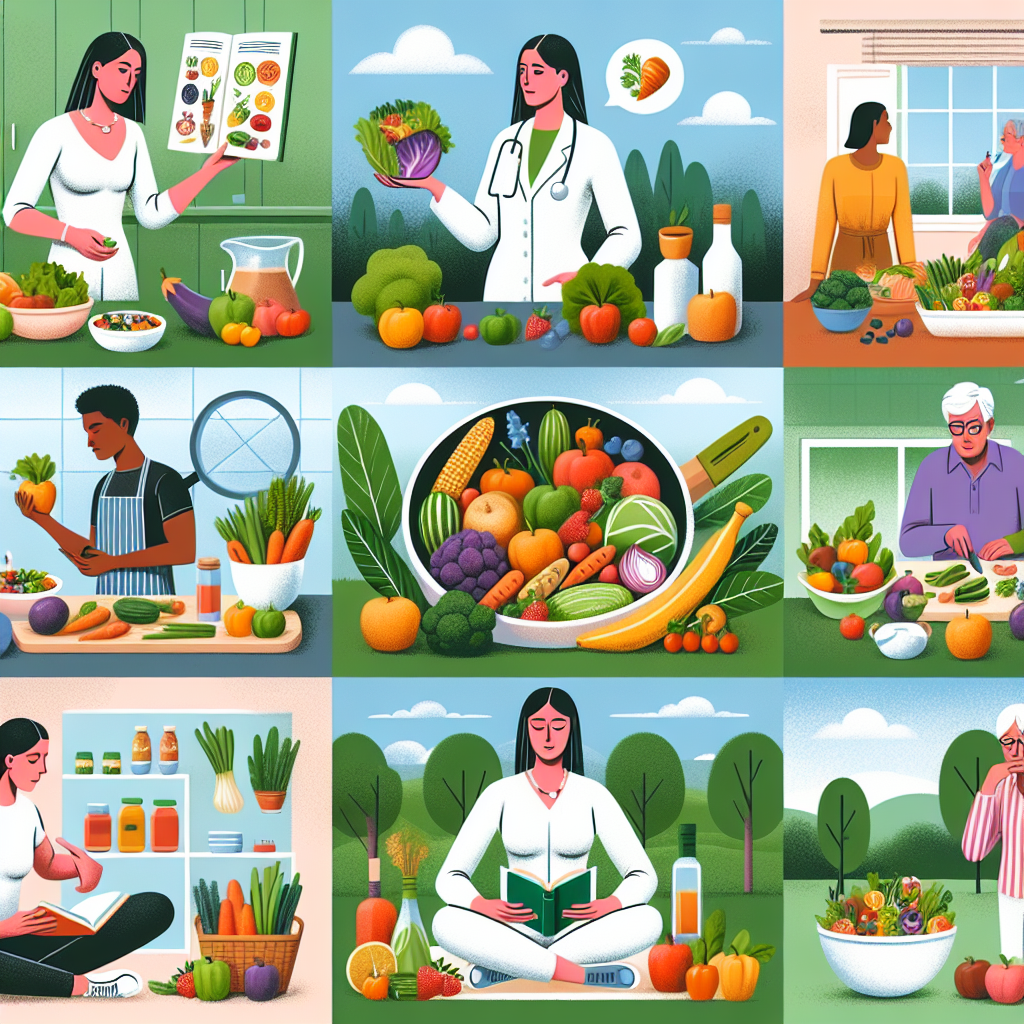
Organic foods can significantly enhance digestive balance by promoting beneficial gut bacteria, reducing inflammation, and providing essential nutrients. Choosing organic options helps minimize exposure to harmful pesticides and additives, supporting overall gut health and digestion.
When it comes to maintaining digestive balance, the role of organic foods can be transformative. Unlike conventional options, organic foods are produced without synthetic pesticides and fertilizers, which means they typically contain fewer harmful chemicals. This cleaner approach not only supports better gut health but also nourishes the body with essential nutrients that promote a balanced digestive system.

==> Click Here for the best Certified Organic Product available - at a huge discount!
Many people overlook the connection between the food they consume and their digestive health. Common mistakes include assuming all foods labeled as ‘natural’ are equally beneficial or neglecting the importance of gut bacteria in digestion. Understanding how organic foods can impact your gut flora is crucial for making informed dietary choices that enhance your overall well-being.
The Importance of Gut Flora
Gut flora, or the collection of microorganisms in our digestive tract, plays a pivotal role in digestion and overall health. A diverse and balanced gut microbiome aids in breaking down food, synthesizing vitamins, and protecting against harmful pathogens. Organic foods, rich in prebiotics and probiotics, can help foster a thriving gut environment.
Neglecting gut health can lead to various issues, including digestive disorders, weakened immunity, and even mental health challenges. Prioritizing organic foods can enhance gut flora diversity and improve digestion. For example, foods like organic yogurt and fermented vegetables are excellent sources of probiotics, which are essential for maintaining a healthy microbiome.
Nutritional Benefits of Organic Foods
Organic foods are often more nutrient-dense compared to their conventional counterparts. They generally contain higher levels of antioxidants, vitamins, and minerals that contribute to digestive health. Consuming organic fruits and vegetables can provide the body with vital nutrients that support gut function, such as fiber, which aids in digestion and regularity.
However, it’s important to recognize that not all organic foods are created equal. Some may still lack the necessary nutrients if grown in poor soil or stored improperly. When selecting organic products, consider their source and freshness, as these factors significantly impact their nutritional value.
Common Pitfalls in Choosing Organic
While the benefits of organic foods are well-documented, consumers often fall prey to misconceptions. One common pitfall is the assumption that all organic foods are healthier and better for digestion. For instance, organic snacks may still be high in sugars and unhealthy fats. Therefore, it’s crucial to read labels and understand what you’re consuming.
Another mistake is relying solely on organic foods without considering overall dietary balance. Incorporating a variety of food groups alongside organic options is essential for optimal health. A well-rounded diet that includes whole grains, lean proteins, and healthy fats will further support digestive balance.
Practical Tips for Incorporating Organic Foods
Integrating organic foods into your diet can be straightforward with a few practical strategies. Start by gradually replacing your most frequently consumed items with organic alternatives, focusing on fruits, vegetables, and dairy products. Shopping at local farmers’ markets can also provide access to fresh organic produce while supporting local agriculture.
Consider meal prepping with organic ingredients to ensure you have healthy options readily available throughout the week. Additionally, educating yourself about seasonal organic produce can help you make cost-effective choices while maximizing freshness and flavor.
Further Reading
Authoritative Sources
- USDA Organic Regulations
ams.usda.govThis resource provides comprehensive information on the standards for organic farming and food production - The Impact of Organic Foods on Gut Health
ncbi.nlm.nih.govA scientific overview of the relationship between organic food consumption and gut microbiome health - FAO on Organic Agriculture
fao.orgThe Food and Agriculture Organization provides insights into the benefits of organic agriculture for health and the environment
Frequently Asked Questions
What are the main benefits of organic foods for digestion?
Organic foods enhance digestion by providing essential nutrients, promoting healthy gut bacteria, and reducing exposure to harmful chemicals.
How do organic foods affect gut bacteria?
Organic foods can help maintain a diverse and balanced gut microbiome, which is crucial for optimal digestion and overall health.
Are all organic foods healthier than non-organic?
No, not all organic foods are inherently healthier. Some organic snacks may still contain high levels of sugar and unhealthy fats, so it’s important to read labels.
How can I start incorporating organic foods into my diet?
Begin by gradually replacing frequently consumed items with organic alternatives and explore local farmers’ markets for fresh produce.

==> Need an Energy Boost? Click Here for the best Organic Product available - at a huge discount!
What should I prioritize when choosing organic foods?
Focus on organic fruits, vegetables, and dairy products, and consider the source and freshness of the items for maximum nutritional benefit.
Conclusion
Prioritizing organic foods can significantly enhance digestive balance by providing cleaner, nutrient-rich options that support gut health. By understanding the importance of gut flora and making informed choices about your food, you can optimize your digestive function and overall well-being. Start small by incorporating organic options into your diet and gradually build a habit that supports a healthier lifestyle.

Related Content
- Organic Whole Food Diet for Improving Skin Clarity: Essential Foods and Practices for Radiant Skin
- Unlock Your Energy: The Ultimate Raw Organic Food Nutrient Plan (2025)
- How Whole Food Nutrition Can Enhance Your Mental Clarity
- The Role of Organic Nutrition in Reducing Allergies
- How to Shop Smart for Organic Foods