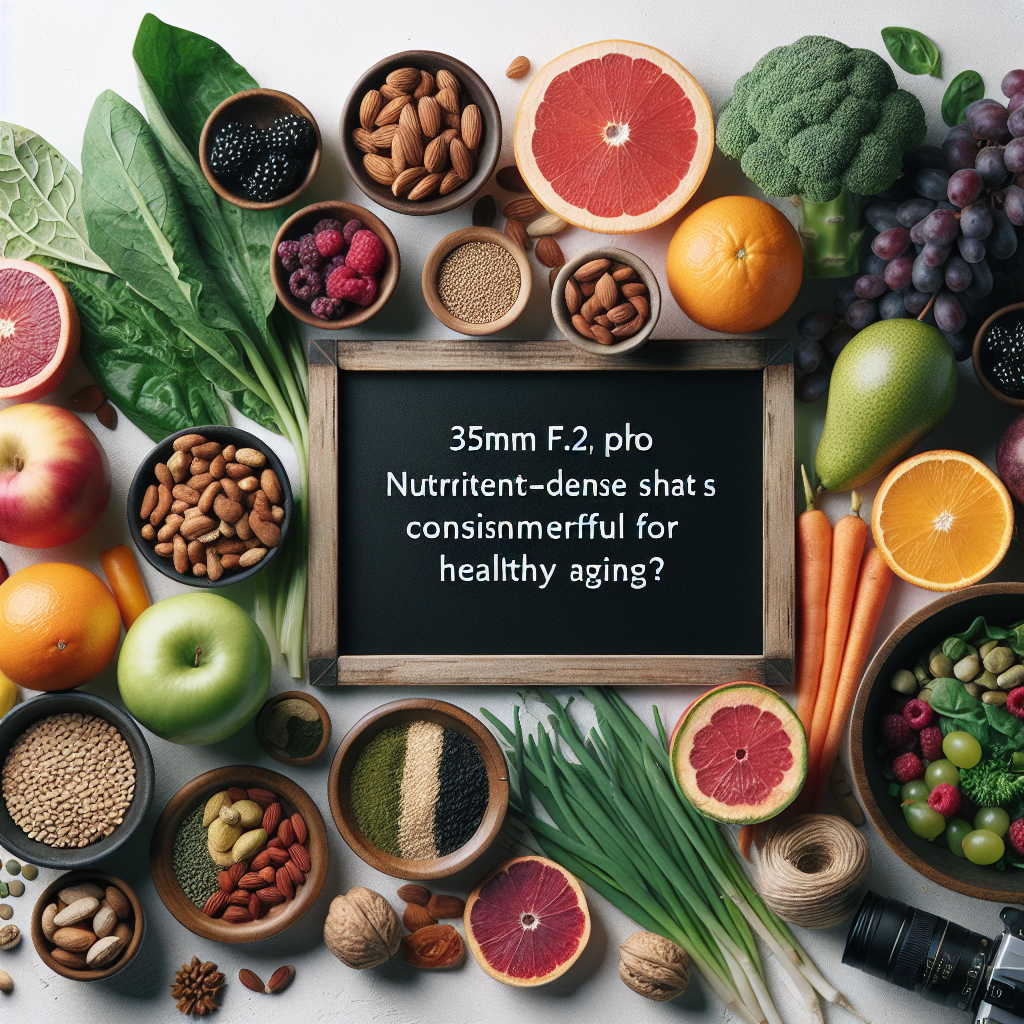
How Organic Nutrition Supports Healthy Weight Loss
In today’s health-conscious society, many individuals seek effective ways to shed excess weight while improving overall wellness. How Organic Nutrition Supports Healthy Weight Loss has become a focal point, emphasizing natural, minimally processed foods rich in essential nutrients. Understanding the link between organic choices and weight management can empower you to make smarter dietary decisions that lead to lasting results.
By exploring the specific benefits of organic nutrition, you’ll learn how choosing organic can enhance your metabolism, reduce inflammation, and support hormone balance—all critical factors in achieving and maintaining a healthy weight. This article provides actionable insights into integrating organic foods into your routine for optimal health outcomes.
Understanding the Connection Between Organic Nutrition and Weight Loss
What Makes Organic Nutrition Effective for Weight Management?
Organic foods are cultivated without synthetic pesticides, fertilizers, or genetically modified organisms, which often results in higher nutrient density. This means your body receives more vitamins, minerals, and antioxidants essential for metabolic health and energy production. How Organic Nutrition Supports Healthy Weight Loss hinges on these factors, providing a natural edge in weight management strategies.
Research indicates that organic produce contains higher levels of phytochemicals, which can aid in reducing oxidative stress and inflammation—both linked to obesity and metabolic disorders. Additionally, organic meats and dairy are free from hormones and antibiotics, promoting better hormonal balance crucial for weight regulation.
Impact of Organic Nutrition on Hormonal and Metabolic Health
- Supports insulin sensitivity, reducing fat storage
- Balances leptin and ghrelin, hormones that regulate appetite
- Enhances mitochondrial function for improved energy expenditure
- Reduces exposure to endocrine-disrupting chemicals that can impair metabolism
Key Nutrients in Organic Foods That Promote Weight Management
Essential Vitamins and Minerals
Organic fruits and vegetables are rich in vitamins A, C, E, and folate, along with minerals like magnesium and potassium. These nutrients are vital for supporting metabolic processes and maintaining muscle mass during weight loss. For example, magnesium aids in glucose regulation, which is crucial for preventing cravings and overeating.
Antioxidants and Phytochemicals
Organic foods contain higher levels of antioxidants such as flavonoids and carotenoids. These compounds combat oxidative stress, a contributor to obesity-related inflammation. Incorporating organic berries, leafy greens, and root vegetables can significantly enhance your body’s ability to burn fat efficiently.
Healthy Fats and Proteins
Organic sources of healthy fats like avocados, nuts, and seeds, along with grass-fed meats and wild-caught fish, provide essential amino acids and omega-3 fatty acids. These nutrients support satiety, reduce hunger pangs, and promote lean muscle growth during weight loss efforts.
Practical Strategies to Incorporate Organic Nutrition for Weight Loss
Step-by-Step Approach
- Start by replacing your usual produce with organic options, focusing on items with thick skins like squash and carrots that are less likely to be heavily sprayed.
- Gradually include organic meats and dairy, prioritizing high-quality, pasture-raised sources.
- Plan meals around organic whole grains, legumes, and seasonal vegetables to maximize nutrient intake.
- Read labels carefully to avoid processed foods that contain non-organic ingredients or additives.
- Maintain a balanced intake of macronutrients—protein, healthy fats, and complex carbs—for sustained energy and satiety.
Additional Tips for Success
- Buy in bulk or join local organic farm shares to reduce costs.
- Cook fresh meals at home to control ingredients and portion sizes.
- Use organic herbs and spices to enhance flavor without added calories or additives.
- Track your progress and adjust your organic food choices based on results and preferences.
Common Mistakes and How to Avoid Them
Over-reliance on Organic Processed Foods
Not all organic products are healthy—many processed organic snacks and desserts can be calorie-dense and low in nutrients. Focus on whole, minimally processed foods to truly support How Organic Nutrition Supports Healthy Weight Loss.
Ignoring Portion Control
Organic doesn’t automatically mean low-calorie. Overeating organic foods can hinder weight loss. Practice mindful eating and portion awareness to optimize results.
Poor Planning and Preparation
Failing to plan meals can lead to reliance on convenience foods, which may not align with your organic goals. Prepare in advance to stay on track.
Expert Tips for Sustaining Organic-Based Weight Loss
Consistency and Patience
Adopting an organic nutrition approach is a long-term commitment. Consistency in choosing organic options and patience with results are key to success.
Balanced Lifestyle
Combine organic eating with regular physical activity, stress management, and adequate sleep to enhance How Organic Nutrition Supports Healthy Weight Loss.
Stay Educated and Inspired
Follow reputable sources, join community groups, and stay informed about new organic products and research to keep motivated and make smarter choices.

References and Resources
These resources provide valuable information about How Organic Nutrition Supports Healthy Weight Loss. Check them out for additional insights:
Authoritative Sources on How Organic Nutrition Supports Healthy Weight Loss
- USDA Organic Regulations
Official guidelines on organic labeling and standards, ensuring product authenticity.Understanding USDA standards helps consumers identify truly organic foods that support healthy weight loss.
- European Food Safety Authority
Research on organic food’s nutrient content and health benefits.Provides scientific evidence supporting the role of organic foods in metabolic health and weight management.
- American Society for Nutrition
Research publications on nutrition and weight loss strategies.Highlights the importance of nutrient-dense foods, including organic options, for effective weight management.
- Healthline – Organic Nutrition
Accessible guide on organic foods and their health benefits.Provides practical tips for incorporating organic foods into daily routines for weight loss.
- National Institutes of Health
Research on diet, metabolism, and obesity.Supports the understanding of how nutrient quality influences weight regulation, emphasizing organic choices.
- World Health Organization
Guidelines on healthy eating patterns including organic foods.Offers global perspectives on organic nutrition’s role in combating obesity.
- WebMD
Health tips and nutrition advice.Practical guidance on organic eating for weight loss and overall health.
Frequently Asked Questions
How does organic nutrition support sustainable weight loss?
Organic nutrition supports sustainable weight loss by providing nutrient-dense foods that promote satiety, stabilize blood sugar, and reduce inflammation. These factors help control cravings and prevent overeating, making it easier to maintain a calorie deficit over time. Additionally, avoiding chemicals and hormones found in conventional foods can optimize hormonal balance, further aiding weight management.
Can I lose weight solely by eating organic foods?
While incorporating organic foods can significantly enhance your weight loss efforts, it’s essential to balance your diet with appropriate portion sizes, physical activity, and overall calorie intake. Organic foods are a valuable component, but they should complement a comprehensive healthy lifestyle for best results in How Organic Nutrition Supports Healthy Weight Loss.
What are the common pitfalls when trying to lose weight with organic nutrition?
Common pitfalls include relying too heavily on processed organic snacks, neglecting portion control, and failing to plan meals ahead. These mistakes can lead to calorie overload or nutritional imbalance. To avoid this, focus on whole, minimally processed organic foods and practice mindful eating.
How long does it typically take to see results from organic-based weight loss?
Results vary depending on individual factors such as starting weight, activity level, and adherence to dietary changes. Generally, consistent organic eating paired with exercise can lead to noticeable improvements within 4-6 weeks. Patience and consistency are key to long-term success in How Organic Nutrition Supports Healthy Weight Loss.
Are organic foods more expensive, and how can I make them affordable?
Organic foods tend to cost more due to stricter production standards. To make them more affordable, buy in bulk, shop seasonal produce, join local farm shares, and prioritize organic options for foods most likely to contain residues, such as berries and leafy greens. Budget-conscious choices ensure you can sustain organic eating for weight management.
Conclusion
Embracing How Organic Nutrition Supports Healthy Weight Loss offers a powerful pathway to achieving your health goals sustainably. By focusing on nutrient-rich, minimally processed foods, you can enhance metabolism, reduce inflammation, and maintain hormonal balance—key factors in effective weight management. The journey involves making informed choices, planning ahead, and staying consistent. Incorporate practical strategies outlined here, be mindful of common mistakes, and leverage expert insights to sustain your progress. Ultimately, prioritizing organic nutrition can transform not just your weight, but your overall wellness, empowering you to live healthier and happier.