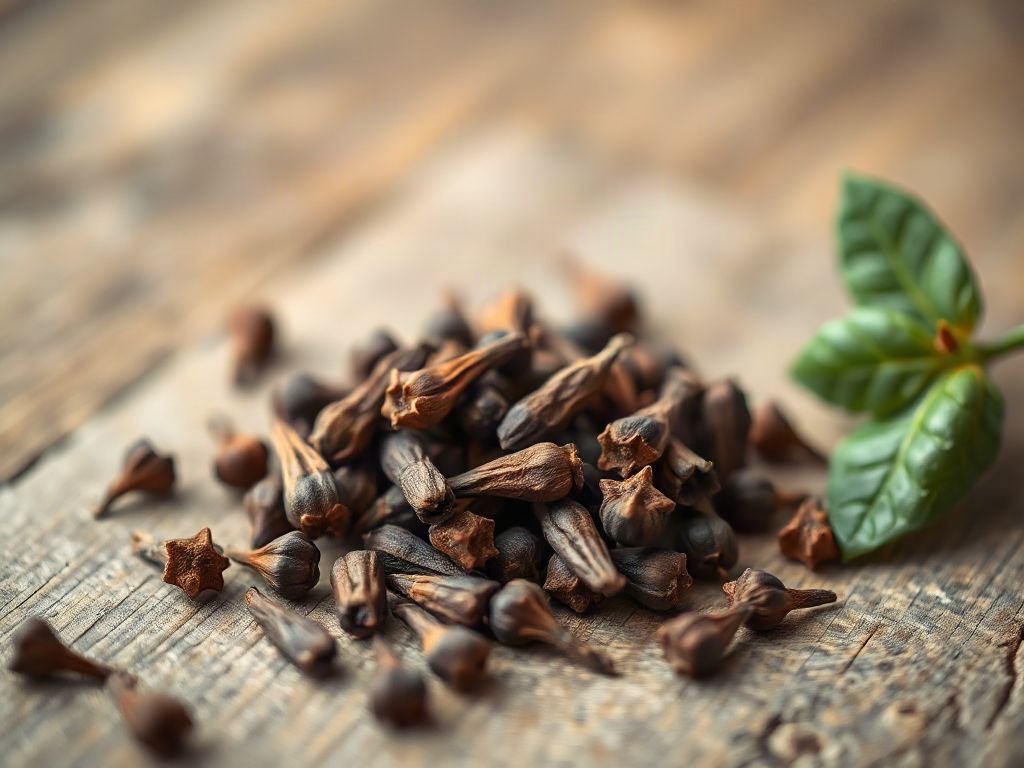
Whole cloves combine concentrated flavor with fiber, manganese, and antioxidant plant compounds, especially eugenol, while organic status mainly describes how the spice was produced rather than making it nutritionally superior. Use intact, fragrant buds to season rice, tea, fruit, sauces, and slow-cooked dishes, then remove them before serving because their woody texture is unpleasant to bite. Grinding increases aroma release but also accelerates flavor loss, so mill only what a recipe needs. Cloves can enrich a varied diet, but culinary portions are small, evidence does not support treating disease with them, and concentrated clove oil carries different safety concerns from the whole spice.
What Nutrients Do Whole Cloves Provide?
Cloves are dried flower buds, so their nutritional profile is unusually concentrated by weight but modest in an ordinary meal. They contain dietary fiber, manganese, vitamin K, and smaller amounts of minerals and other micronutrients. The practical constraint is serving size: a pot of rice or stew may use only a few buds, divided among several people. Nutrient values listed per 100 grams can therefore exaggerate what anyone receives from a typical culinary use.
Manganese is often the most prominent nutrient associated with cloves. The body uses this trace mineral in several enzyme systems involved in metabolism and antioxidant defenses. That fact does not make cloves a substitute for a balanced mineral intake, however. Whole grains, legumes, nuts, and leafy vegetables are eaten in larger quantities and usually contribute more meaningfully to daily nutrition. Cloves are better viewed as a flavorful addition that supplies small amounts of nutrients without added sugar or much sodium.
Whole cloves also retain fibrous plant material that is absent from distilled clove oil. Yet the buds are normally removed from a dish rather than chewed, so their fiber may not be consumed. Ground cloves remain in oatmeal, baked fruit, spice blends, or muffins and contribute more of the whole plant material, although the quantity is still small. This distinction matters when comparing a whole spice, a ground powder, an extract, and an essential oil: they are not nutritionally interchangeable.
A realistic comparison is a bowl of sweetened instant oatmeal versus plain oats flavored with ground cloves, cinnamon, fruit, and nuts. The cloves do not transform the meal into a treatment or supply most of its nutrients. Their value is that strong aroma can make a minimally sweetened dish satisfying, while the oats, fruit, and nuts provide the larger share of fiber, protein, and micronutrients.
The common mistake is treating a nutrient database entry as a recommended portion. Eating large spoonfuls to chase manganese or antioxidant numbers would deliver an overpowering dose of spice and may cause irritation. Use cloves at the amount that suits the food, and build nutritional adequacy through varied whole foods rather than concentrated spice consumption.
How Do the Antioxidants in Cloves Work?
Cloves contain phenolic compounds that can react with unstable molecules in laboratory antioxidant tests. Eugenol is the best-known aromatic compound in the spice and contributes much of its warm, penetrating scent. Other plant compounds also influence measured antioxidant activity, which is why cloves frequently appear high in laboratory comparisons of dried herbs and spices.
Laboratory antioxidant capacity is not the same as a demonstrated health outcome in people. Digestion, absorption, metabolism, dose, and the surrounding meal all affect what happens after a compound is eaten. A high test-tube value cannot establish that a teaspoon of spice will prevent illness, reverse oxidative damage, or replace medical care. Human research on specific outcomes may use extracts or concentrated preparations that differ sharply from several whole buds simmered in food.
The most defensible role for cloves is within an eating pattern rich in varied plant foods. For example, poached pears prepared with whole cloves, citrus peel, and minimal added sweetener combine several plant ingredients while using spice for depth. A lentil dish seasoned with cloves, cumin, tomato, and onion provides substantially more food volume and fiber than the cloves alone. In both cases, the spice broadens flavor and contributes plant compounds without needing to carry the nutritional claim by itself.
Processing changes both aroma and exposure to oxygen. Crushing a clove ruptures its structure and releases volatile compounds quickly, producing a stronger immediate fragrance. The same increased surface area speeds staling during storage. Whole buds generally preserve their character longer than pre-ground powder, while freshly ground cloves disperse more evenly through a batter or sauce. Neither form is universally better; the choice depends on whether easy removal, even distribution, or storage life matters most.
Signs of useful spice quality are sensory rather than medical: a freshly broken bud should smell vivid and complex, and a small amount should flavor a dish clearly. A flat, dusty aroma signals that storage or age has reduced its culinary value. Adding more stale powder rarely restores the clean flavor of fresher cloves and may instead create bitterness or grittiness. Replace exhausted spice rather than escalating the quantity.
Choosing and Storing Organic Whole Cloves
Organic labeling addresses agricultural production and handling standards, not a guaranteed increase in nutrients or antioxidants. A certified organic package can be a sensible priority for shoppers who prefer that production system, but the label does not reveal harvest date, storage conditions, aromatic strength, or whether the cloves will suit a particular recipe. Conventional and organic cloves can both be flavorful, and either can become stale when stored poorly.
Start by examining the information and spice itself. A sealed package should identify the product as whole cloves and provide a best-by or lot code where the seller uses one. The buds should look largely intact, with their rounded heads attached, rather than consisting mainly of stems, dust, and broken fragments. Color varies, so aroma is the stronger home test after opening: the scent should be warm, sharp, and immediately recognizable rather than musty.
Price deserves context. A small organic jar may cost more per unit than a bulk package, but buying a large amount is poor value if it loses aroma before use. Households that make spiced rice, chai-style drinks, pickles, or braises regularly may finish a larger bag. An occasional baker will usually get better results from a smaller container with faster turnover. Freshness and realistic consumption often matter more at the stove than the lowest price per ounce.
Use this compact purchasing and storage checklist:
- Certification: If organic production matters to you, look for a recognized organic certification statement rather than relying on rustic packaging language.
- Form: Choose whole buds for longer storage and easy removal; choose ground spice only when even dispersion is the priority.
- Quantity: Buy an amount likely to be used while its aroma remains strong.
- Container: Transfer bulk cloves to a tightly closed glass or food-safe container.
- Location: Keep them away from heat, steam, direct light, and moisture.
A cabinet away from the oven is preferable to a shelf above it. Shaking cloves directly over a steaming pot can introduce moisture into the container, encouraging clumping and deterioration. Remove the needed buds with a dry spoon instead. Refrigeration is usually unnecessary and may expose the spice to condensation when containers are opened. Labeling a refill jar with the purchase month makes it easier to judge turnover without assuming that spices remain potent indefinitely.
How Should Whole Cloves Be Used in Cooking?
Whole cloves work best when a liquid or a long cooking period can extract their flavor and when the buds can be removed before eating. Their intensity builds during simmering, so restrained use gives the cook room to adjust other spices. Biting an overlooked clove produces a concentrated, numbing, woody sensation; this is the main practical failure to prevent.
For rice pilaf, add a few cloves to the cooking liquid with a bay leaf or cinnamon stick, then count and remove the whole spices before serving. In a soup or braise, place them in a reusable spice infuser or a small piece of food-safe cheesecloth. When poaching fruit, push cloves into a strip of citrus peel or keep them in an infuser so they are easy to retrieve. These methods deliver aroma while controlling the texture hazard.
Ground cloves are more appropriate when the spice should remain in the food. Applesauce, pumpkin bread, oatmeal, gingerbread-style bakes, and dry rubs are common examples. Grind a small number of buds in a dedicated spice grinder or with a mortar and pestle, then clean the equipment promptly because clove aroma lingers. Ground cloves can dominate cinnamon, ginger, fruit, and cocoa, so begin with less than the amount of milder spices and evaluate the full mixture before adding more.
Savory use rewards balance. Cloves pair naturally with onions, tomatoes, lentils, rice, citrus, cinnamon, cardamom, cumin, and black pepper. In a tomato-based bean stew, one or two intact buds can contribute warmth without making the dish taste sweet. In a large batch of mulled juice, the same spice may seem subdued at first but intensify as it steeps. Taste the liquid periodically and remove the cloves once the desired level is reached rather than leaving them indefinitely.
Clove-infused drinks also require perspective. A lightly spiced tea is a culinary beverage, not a concentrated therapy. Essential oil should not be substituted drop for drop for whole or ground cloves: it is far more concentrated, does not provide the whole spice’s fiber or full food matrix, and may cause harm if used improperly. People taking medication, preparing concentrated clove products, or managing a health condition should seek qualified guidance instead of inferring safety from ordinary food use.
Success is easy to recognize: the finished dish should have warm depth without a medicinal edge, intact buds should be accounted for, and complementary ingredients should remain identifiable. Failure shows up as bitterness, numbness, harsh perfume, or diners finding hidden cloves. The remedy is usually less spice, shorter steeping, or a containment method—not extra sweetener to cover an excessive dose.
Frequently Asked Questions
Can whole cloves be eaten?
They are edible as a spice, but intact buds are hard, woody, and intensely flavored. They are generally simmered for aroma and removed before serving rather than chewed whole.
Are organic cloves more nutritious than conventional cloves?
Organic certification describes production and handling practices; it does not by itself establish higher nutrient or antioxidant levels. Freshness, variety, processing, and storage can also affect spice quality.
Is it better to buy whole or ground cloves?
Whole cloves usually retain aroma longer and suit infusions, rice, and braises. Ground cloves are more convenient for baking and foods where the spice must disperse evenly.
How can stale cloves be identified?
Break or crush one bud and smell it. A strong, warm aroma indicates useful potency; a weak, dusty, or musty scent suggests that replacement will produce better flavor.
Can clove oil replace whole cloves in a recipe?
No direct substitution is appropriate. Clove essential oil is highly concentrated and has different safety and handling considerations, so ordinary recipes should use the specified whole or ground spice.
Conclusion
Cloves deserve a place in the pantry for their concentrated aroma, useful plant compounds, and ability to deepen both sweet and savory foods. Judge their nutritional contribution in the context of the small quantities normally eaten, and avoid translating laboratory antioxidant rankings into promises about disease prevention or treatment. Organic certification may align with a preferred farming system, while freshness, intact buds, sensible package size, and dry storage determine much of the value a cook actually experiences. Choose whole cloves for simmering and retrieval, grind them when even distribution is needed, and keep essential oil outside ordinary spice substitutions. A practical next step is to inspect the current jar, crush one bud to test its aroma, and use a restrained amount in rice, fruit, tea, or a slow-cooked dish.