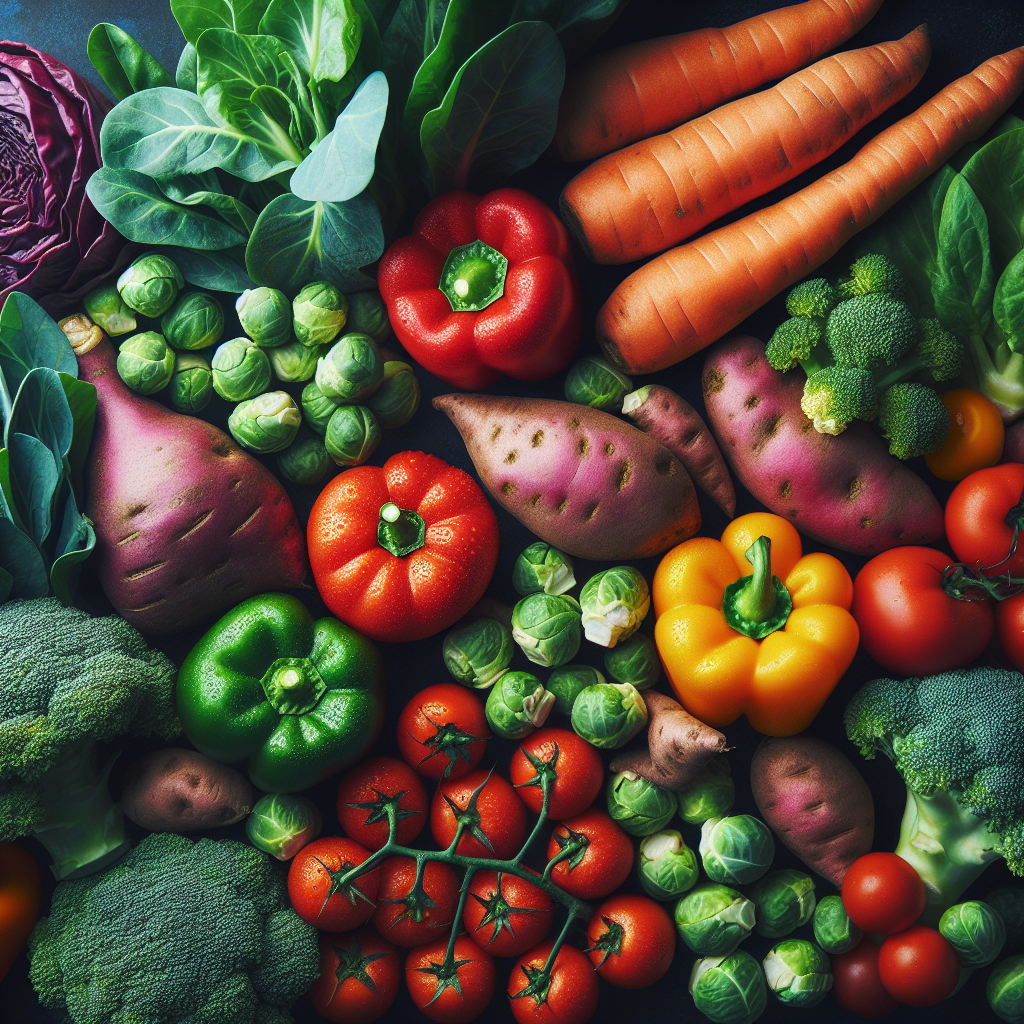
To store organic vegetables to last longer, it is crucial to understand the specific needs of different types of produce. Most organic vegetables thrive in cool, dry environments, while some require refrigeration to maintain their freshness. The primary reason for spoilage is often excess moisture and warmth, which can lead to mold, decay, and nutrient loss.
Choosing the right storage method is essential. For instance, leafy greens like spinach and kale should be stored in the refrigerator, ideally wrapped in a damp paper towel and placed in a breathable bag to reduce moisture buildup. Conversely, root vegetables such as carrots and potatoes do better in a cool, dark place, like a cellar or pantry.
Understanding Ideal Storage Conditions
Each vegetable has unique storage requirements, influenced by factors such as moisture levels and temperature. For example, most vegetables benefit from a temperature range of 32°F to 40°F (0°C to 4°C). Maintaining a consistent temperature is vital; fluctuations can cause vegetables to spoil faster. Humidity also plays a critical role, as too much can lead to rot, while too little can cause vegetables to dry out.
To effectively manage these conditions, consider using a refrigerator with a separate vegetable drawer, as it often provides higher humidity levels. Additionally, using humidity-controlled storage containers can help regulate moisture levels, further prolonging the freshness of organic vegetables.
Best Practices for Different Types of Vegetables
Different types of organic vegetables require tailored storage methods. For instance, cruciferous vegetables like broccoli and cauliflower should be stored in perforated bags in the refrigerator to allow for air circulation while maintaining moisture. On the other hand, tomatoes and cucumbers should be stored at room temperature, away from direct sunlight, as refrigeration can affect their texture and flavor.
Additionally, consider grouping vegetables with similar storage needs together. For example, store potatoes, onions, and garlic in a dark, cool place, but keep them separated to prevent sprouting. This grouping approach not only maximizes freshness but also minimizes the risk of spoilage.
Common Mistakes to Avoid
One of the most common mistakes in storing organic vegetables is washing them before storage. Excess moisture can accelerate spoilage, so it is advisable to wash vegetables only before consumption. Another frequent error is ignoring the signs of spoilage. Regularly inspect your stored vegetables and remove any that show signs of decay to prevent them from affecting others.
Additionally, avoid overcrowding storage areas. Proper airflow is essential for maintaining freshness, so ensure that vegetables are not packed too tightly together. This practice not only helps in preserving their quality but also makes it easier to spot any spoiled items.
How to Extend Shelf Life with Preservation Techniques
Preservation techniques can significantly extend the shelf life of organic vegetables. One effective method is blanching, which involves briefly boiling vegetables and then plunging them into ice water before freezing. This process helps to retain color, flavor, and nutrients while preventing spoilage.
Fermentation is another method that not only preserves vegetables but also enhances their nutritional value. Vegetables like cabbage can be fermented into sauerkraut, which can last for months when stored properly. These techniques are excellent ways to enjoy organic vegetables long after their harvest season.
For more information on preserving and storing organic vegetables, consider exploring resources from agricultural extensions or food preservation organizations. They often provide valuable insights and guidelines tailored to specific vegetables and preservation methods.
Frequently Asked Questions
How long can I store organic vegetables?
The storage duration varies by vegetable type, but most organic vegetables can last from a few days to several weeks when stored properly.
Should I wash vegetables before storing them?
No, it’s best to wash vegetables just before consumption to prevent excess moisture that can lead to spoilage.
What is the best way to store leafy greens?
Leafy greens should be stored in the refrigerator wrapped in a damp paper towel and placed in a breathable bag to maintain moisture without trapping excess water.
Can I store all vegetables together?
No, different vegetables have varying storage needs, so it’s best to separate them based on their ideal conditions to prevent spoilage.
How can I tell if my vegetables have gone bad?
Signs of spoilage include discoloration, softness, or an off smell. Regularly inspect stored vegetables and remove any that show these signs.
Further Reading
Authoritative Sources
- How to store fruits and vegetables to make them last longer
detsi.qld.gov.auOnce ripe, place them in a sealed bag or container and refrigerate. They will stay ripe for 3–5 days. Tip: To freeze avocado, mash it with a little bit of lemon ...
- Living Off the Grid: A Guide to Long-Term Produce Storage
hobbyfarms.comHere are the basics about what fruits and vegetables are good for long-term storage, and how to best store them naturally.
- Essential Tips for Storing Fresh Produce
carrborofarmersmarket.comTo keep your herbs fresh, not only should they be kept in the fridge, but they last the longest when the ends are trimmed and put in water. The ...
Conclusion
Storing organic vegetables to last longer requires understanding their specific needs and implementing best practices. By creating the right environment, avoiding common mistakes, and utilizing preservation techniques, you can maximize the freshness and shelf life of your produce. Regularly assessing your storage conditions and being mindful of each vegetable’s requirements will help ensure you enjoy your organic vegetables at their best, reducing waste and enhancing your meals.