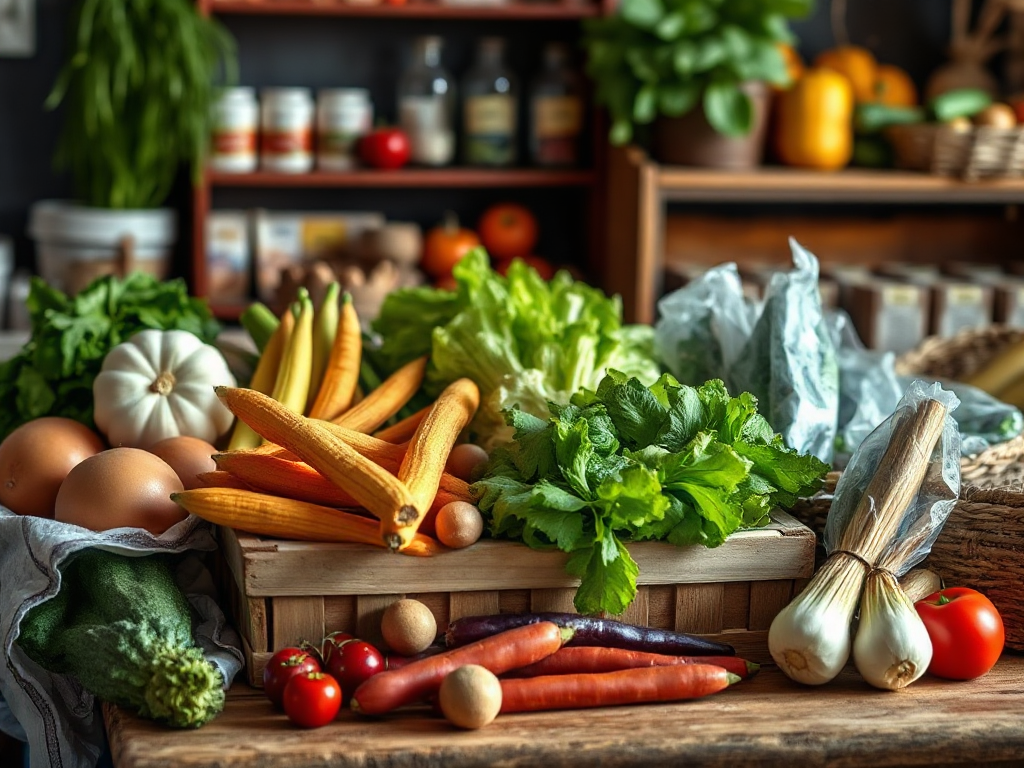
Sourcing local organic foods presents several challenges, primarily due to inconsistent availability and higher costs. Seasonal growing cycles can lead to shortages, making it difficult for consumers to access fresh organic produce year-round. Additionally, local farms often struggle to meet rising demand, particularly in urban areas where interest in organic options is increasing. To overcome these obstacles, consumers can engage directly with local farmers through community-supported agriculture (CSA) programs or frequent farmers' markets. These strategies not only ensure a consistent supply of organic foods but also support local agriculture and foster community connections.
Understanding Local Organic Sourcing Challenges
Sourcing local organic foods presents unique challenges that can complicate access for consumers. One of the primary issues is the inconsistent availability of organic produce due to seasonal growing cycles. Unlike conventional foods, which may be available year-round, organic offerings often depend on the climate and harvest schedules, leading to shortages during off-seasons. Additionally, local organic farms may have limited capacity, meaning they can’t always meet demand, especially in urban areas where interest in local produce is growing.
Another significant concern is the cost associated with organic farming practices. Organic produce typically incurs higher production costs due to stricter regulations and the need for sustainable farming methods. This often translates into higher prices for consumers, which can be a barrier for many households. Furthermore, the logistics of distribution can complicate sourcing, as local producers may lack the infrastructure to deliver their products widely, leading to reduced access in certain areas.
Strategies for Successful Sourcing
To successfully source local organic foods, consumers can adopt several strategies. First, establishing relationships with local farmers or joining a community-supported agriculture (CSA) program can provide direct access to fresh produce while supporting local agriculture. CSAs allow consumers to buy shares of a farm’s harvest, ensuring a steady supply of seasonal organic foods.
Another effective method is to visit farmers’ markets regularly. These markets often feature a variety of local organic producers, allowing consumers to compare prices and quality directly. Engaging with farmers at these markets can also provide insights into the growing practices and seasonal availability of products, further enhancing the sourcing experience. Furthermore, utilizing online platforms that connect consumers with local organic farms can streamline the sourcing process, making it easier to find available products.
Evaluating Local Organic Producers
When sourcing local organic foods, it’s essential to evaluate the producers to ensure quality and sustainability. Consumers should inquire about the farming practices used, such as whether they adhere to certified organic standards or employ sustainable methods even if not certified. Understanding the producer’s commitment to organic principles can help consumers make informed decisions.
Additionally, transparency regarding supply chains is crucial. Consumers should ask how produce is harvested, handled, and stored before reaching the market. This information can reveal potential issues with freshness and quality. Engaging with producers about their practices can also foster a sense of community and trust, which is vital in supporting local agriculture.
Consumer Impact and Expectations
The sourcing of local organic foods significantly impacts consumers’ health and community well-being. Access to fresh, organic produce can lead to improved nutrition and health outcomes, as these foods are often richer in nutrients and free from synthetic pesticides. However, consumers must manage their expectations regarding availability and pricing.
It’s important for consumers to understand that local organic sourcing may require flexibility. Seasonal variations mean that certain items may not be available year-round, and prices may fluctuate based on supply and demand. By being adaptable and open to trying new seasonal items, consumers can enjoy the benefits of supporting local farmers while also contributing to sustainable food systems.
Frequently Asked Questions
What are the main challenges in sourcing local organic foods?
The main challenges include seasonal availability, higher costs, and limited distribution from local producers, which can restrict access for consumers.
How can I find local organic farms?
Using resources like farmers' markets, community-supported agriculture (CSA) programs, and websites dedicated to local food networks can connect you with organic farms.
Why are organic foods more expensive?
Organic foods typically have higher production costs due to strict farming regulations and sustainable practices, which are passed on to consumers.
How can I ensure the quality of organic produce?
Inquire about farming practices, look for certifications, and check the freshness of products when purchasing from local producers.
Is it worth paying more for local organic foods?
Many consumers find that the nutritional benefits, support for local economies, and reduced environmental impact make local organic foods worth the extra cost.
Conclusion
Sourcing local organic foods involves navigating various challenges, including availability and cost. By building relationships with local producers, utilizing farmers’ markets, and understanding the practices behind organic farming, consumers can enhance their sourcing experience. It’s essential to manage expectations regarding seasonal fluctuations and pricing while recognizing the health benefits and community support that come from choosing local organic options. By prioritizing these strategies, consumers can make informed decisions that contribute to a sustainable food system.