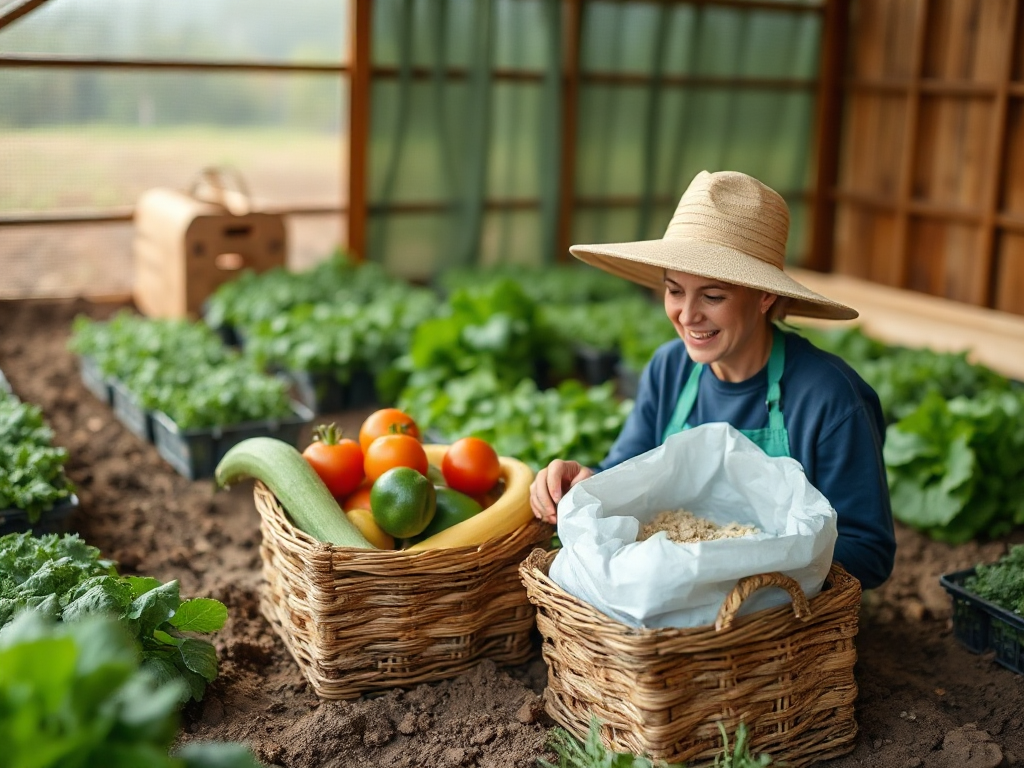
Misunderstandings about organic farming methods often lead to misconceptions that can hinder both consumer choices and farming practices. A prevalent myth is that organic farming entirely bans pesticide use; however, it actually permits specific natural pesticides that are deemed safer for the environment. Additionally, some believe that organic farming is inherently less productive than conventional methods, but research indicates that organic practices can yield comparable results over time, especially with techniques like crop rotation and composting. To bridge these gaps in understanding, education on the principles of organic farming is essential for both consumers and farmers, ensuring informed decisions that support sustainable agriculture.
The Nature of Organic Farming
Organic farming is a sustainable agricultural practice that emphasizes environmental health, biodiversity, and the use of natural resources. It focuses on building healthy soil, promoting ecological balance, and minimizing synthetic inputs. Understanding the core principles of organic farming is essential in addressing the misunderstandings that often arise.
At its core, organic farming relies on methods such as crop rotation, cover cropping, and composting to enhance soil fertility and structure. These practices not only improve crop yields but also contribute to the long-term sustainability of the ecosystem. The focus on natural processes means that organic farmers often utilize specific natural pesticides and fertilizers, which are permitted under organic standards, contrary to popular belief that organic means pesticide-free.
Common Misconceptions
One of the most pervasive misconceptions about organic farming is the belief that it prohibits all forms of pesticide use. In reality, organic farming allows the use of certain natural pesticides, which can be crucial for pest management. These substances are often derived from plant or mineral sources and are considered safer for both consumers and the environment compared to synthetic alternatives.
Another common misunderstanding revolves around the perception that organic farming is less productive than conventional farming. While it’s true that organic yields may vary based on specific circumstances, many studies have shown that organic methods can be just as productive, especially in the long term. In fact, practices like crop rotation and reduced chemical inputs can lead to healthier soils and increased resilience against pests and diseases.
Why Misunderstandings Persist
Misunderstandings about organic farming methods persist for several reasons. First, the marketing of organic products often emphasizes the absence of chemicals, leading consumers to believe that organic farming is entirely chemical-free. This oversimplification can create a disconnect between the realities of organic practices and consumer expectations.
Additionally, the complexity of organic regulations and standards can be confusing. Different certifying bodies may have varying standards, and the terminology used in organic farming can be misleading. For instance, terms like “natural” and “organic” are not interchangeable, which can further contribute to confusion.
Practical Implications of Misunderstandings
These misunderstandings have significant practical implications for consumers, farmers, and policymakers. For consumers, misconceptions can lead to misguided choices about food purchases, potentially overlooking the benefits of organic products. Understanding the true nature of organic farming can encourage more informed decisions and support sustainable practices.
For farmers, failing to grasp the realities of organic methods can result in poor farming practices and decreased productivity. Farmers who incorrectly believe that organic farming is less effective may be hesitant to transition to organic methods, missing out on market opportunities and environmental benefits. Policymakers also need to be aware of these misunderstandings to create effective regulations and support systems that promote sustainable agriculture.
Frequently Asked Questions
What are the main practices involved in organic farming?
Organic farming primarily involves crop rotation, cover cropping, composting, and the use of natural pesticides. These practices enhance soil health and promote biodiversity.
Are organic products free from pesticides?
No, organic products are not entirely free from pesticides. Organic farming allows specific natural pesticides, which are considered safer than synthetic ones.
Is organic farming less productive than conventional farming?
Not necessarily. While yields may vary, many studies show that organic farming can be just as productive, especially with practices that improve soil health over time.
Why do misconceptions about organic farming exist?
Misconceptions exist due to marketing oversimplifications, confusing regulations, and misleading terminology that can misrepresent organic practices.
How can consumers make informed choices about organic products?
Consumers should educate themselves on organic standards, understand the benefits and limitations of organic farming, and look for credible certifications when purchasing organic products.
Conclusion
Understanding the complexities of organic farming methods is crucial for dispelling common misconceptions that can misguide consumers and farmers alike. By recognizing that organic does not equate to pesticide-free and that organic practices can yield results comparable to conventional methods, stakeholders can make more informed decisions. Prioritizing education and clarity in organic farming will help foster a more sustainable future for agriculture and promote healthier choices for consumers.